
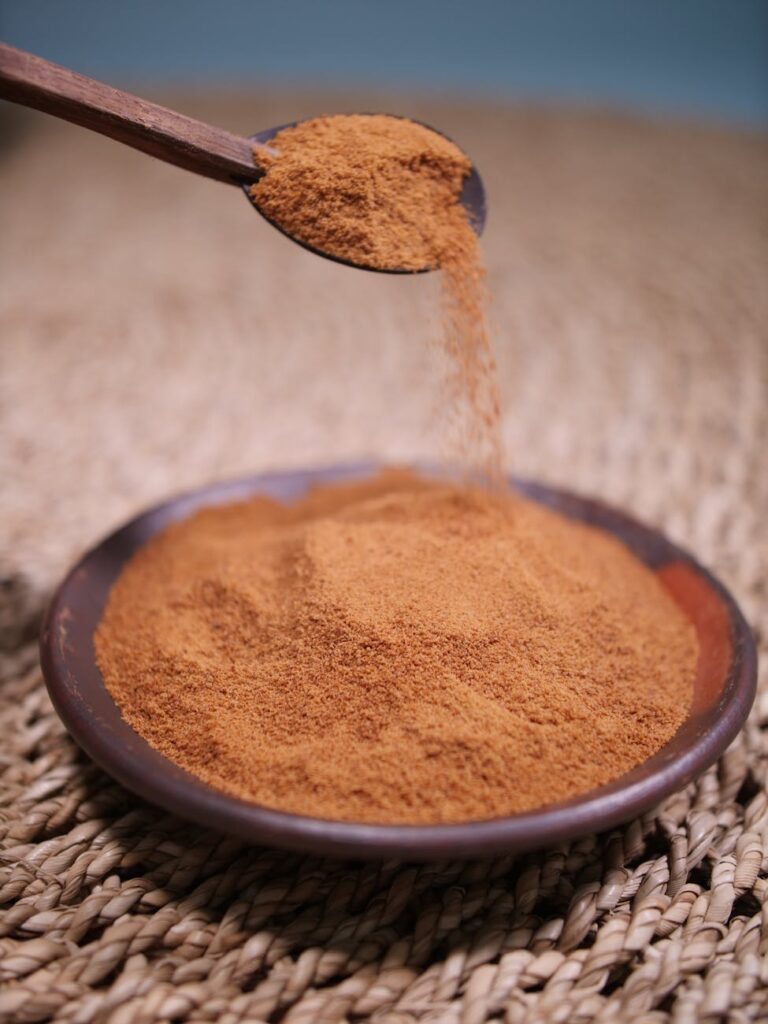
Coconut Sugar: Origins and Evolution
Introduction
Coconut sugar, often touted as a healthier alternative to refined sugars, has gained popularity among consumers seeking natural sweeteners. Derived from the sap of the coconut palm tree, this sugar is not only a staple in many Southeast Asian cuisines but is also celebrated for its unique flavor profile and purported health benefits. This article delves into the origins, production processes, and applications of coconut sugar, while also addressing common misconceptions and providing insights into its quality and storage.
What Is Coconut Sugar?
Coconut sugar, sometimes referred to as coconut palm sugar, is a natural sweetener made from the sap of the flower buds of the coconut palm. Unlike conventional sugars that undergo extensive refining processes, coconut sugar retains more of its natural nutrients and minerals, making it a favored choice for those seeking less processed options. The sugar has a caramel-like flavor with a hint of nuttiness, which adds depth to various culinary applications.
History and Origins
The use of coconut sugar can be traced back centuries, particularly in Southeast Asia where coconut palms thrive. Historical records indicate that coconut sugar has been utilized in countries such as Indonesia, the Philippines, and India for generations. In these regions, it has traditionally been used not only as a sweetener but also in various cultural and ceremonial contexts.
The harvesting of coconut sap for sugar production is a time-honored practice. Farmers climb the tall coconut palms to extract the sap, which is then boiled down to produce granulated sugar. This method has remained largely unchanged over the years, demonstrating the sustainable practices that have characterized coconut sugar production.
As global interest in natural and organic foods has increased, coconut sugar has found its way into markets worldwide. Its rise in popularity can be attributed to a growing awareness of health and wellness, as well as a desire for minimally processed ingredients.
Production and Processing
The production of coconut sugar involves several steps that ensure the final product retains its natural qualities. Here’s a detailed overview of the process:
1. Harvesting: Farmers carefully tap the flower buds of the coconut palm to collect the sap. This process requires skill, as the sap must be harvested at specific times to ensure optimal sweetness.
2. Boiling: The collected sap is then boiled to evaporate excess water, resulting in a thick syrup. This syrup is the precursor to coconut sugar.
3. Granulation: Once the syrup reaches a certain consistency, it is further boiled and stirred to crystallize. The resulting granules vary in size, contributing to the texture of the final product.
4. Cooling and Packaging: After granulation, the coconut sugar is cooled and packaged for distribution. It is important to maintain cleanliness throughout the process to prevent contamination.
Coconut sugar is generally unrefined, which means it retains trace minerals such as iron, zinc, calcium, and potassium, along with antioxidants, making it a more nutrient-dense option compared to refined sugars.
Quality and Grading
The quality of coconut sugar can vary significantly based on several factors, including the region of production, the method of harvesting, and processing techniques. Generally, coconut sugar is categorized based on its color, texture, and flavor profile.
1. Color: High-quality coconut sugar is typically light to dark brown, indicating a higher concentration of minerals. Lighter shades usually signify a less intense flavor, while darker shades tend to have a more robust taste.
2. Texture: The granule size is also indicative of quality. Finer granulates may dissolve more readily in liquids, making them suitable for certain applications, whereas coarser granules may provide a delightful crunch when used as a topping.
3. Flavor: The flavor profile can range from mild to strong, depending on the production process and the specific variety of coconut palm used. Consumers often prefer sugars with a deeper caramel flavor, which can enhance the dishes they are used in.
When purchasing coconut sugar, look for products that are labeled as organic and sustainably sourced to ensure quality and ethical production practices.
Buying Considerations
When selecting coconut sugar, several factors should influence your purchasing decision:
1. Source: Opt for coconut sugar sourced from reputable producers known for ethical harvesting practices. Sustainability is key, as overexploitation of coconut palms can lead to environmental degradation.
2. Certifications: Look for certifications that indicate the product is organic or Fair Trade, ensuring that it is free from harmful pesticides and that producers receive fair compensation.
3. Texture and Color: Consider the intended use of the sugar. Finer granules may be better for baking, while coarser granules can enhance textures in granola or as a topping for desserts.
4. Flavor Profile: Taste preferences vary; some consumers may prefer a more robust flavor, while others may opt for a milder sweetness. Sampling products can help make the right choice.
5. Packaging: Pay attention to packaging that minimizes exposure to moisture and light, which can affect the sugar’s quality over time.
Uses and Applications
Coconut sugar is incredibly versatile and can be used in a wide variety of culinary applications. Its unique flavor and natural sweetness make it a popular choice for:
- Baking: Coconut sugar can replace white or brown sugar in most recipes, imparting a subtle caramel flavor to cakes, cookies, and pastries.
- Beverages: It serves as a natural sweetener for teas, coffees, smoothies, and cocktails, enhancing the overall flavor without overpowering other ingredients.
- Savory Dishes: Coconut sugar can add depth to marinades, sauces, and dressings, balancing acidity and enhancing umami flavors.
- Breakfast Foods: Sprinkle it on oatmeal, yogurt, or pancakes for a touch of sweetness that complements other ingredients.
Additionally, its lower glycemic index compared to traditional sugars makes it an appealing choice for those looking to moderate their