
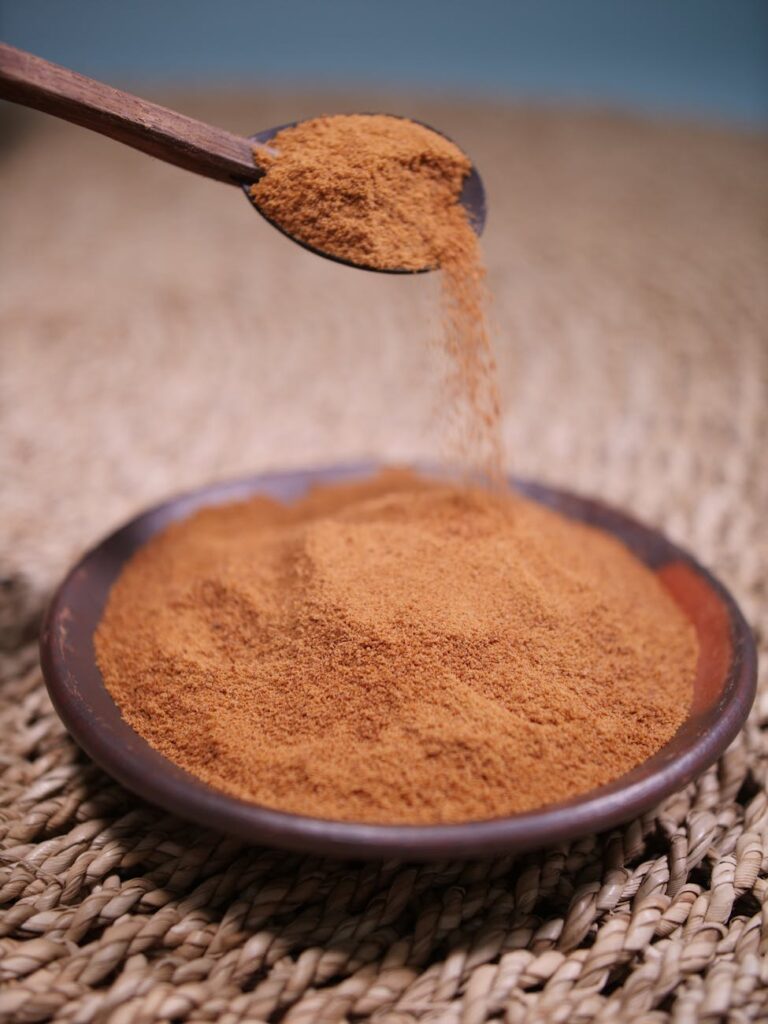
Coconut Sugar Regions Guide Part 7
Introduction
Coconut sugar, derived from the sap of coconut palm flowers, has gained increasing popularity as a natural sweetener. Renowned for its unique flavor profile and lower glycemic index compared to conventional sugars, it is prized not only for its culinary applications but also for its sustainable production methods. In this installment, we will explore the various regions that contribute to the production of coconut sugar, shedding light on their unique characteristics, processing methods, and the cultural significance of this ingredient.
What Is Regions?
In the context of coconut sugar, “regions” refers to the geographical areas where the sugar is produced, each boasting distinct climatic conditions, agricultural practices, and cultural influences. These regions include Southeast Asia, South Asia, and parts of Africa and Latin America. Understanding these regions is essential for appreciating the nuances in flavor, quality, and production methods of coconut sugar, which can significantly impact its use in culinary applications.
History and Origins
The origins of coconut sugar can be traced back to Southeast Asia, particularly in countries like Indonesia and the Philippines, where the coconut palm has been cultivated for centuries. Historical records indicate that the use of coconut sap as a sweetener dates back over 3,000 years. In these regions, coconut sugar is often produced using traditional methods passed down through generations, emphasizing a deep-rooted cultural heritage.
Over time, the popularity of coconut sugar has spread beyond its regions of origin, finding its way into global markets as a healthier alternative to refined sugar. Its rise in popularity is also attributed to the growing awareness of sustainability and the environmental impact of sugar production.
Production and Processing
The production of coconut sugar involves several key steps, which can vary slightly depending on the region:
1. Tapping: Skilled farmers tap the flower buds of coconut palms to collect the sap, known as “toddy.” This is typically done in the early morning to ensure the sap remains fresh.
2. Boiling: The collected sap is then boiled to evaporate most of its water content. This is a crucial step, as the boiling process needs to be carefully monitored to prevent caramelization, which can alter the flavor and color of the final product.
3. Cooling and Solidifying: After boiling, the sap is poured into molds or shallow containers to cool and solidify into granules or blocks. The final product can vary from coarse to fine, depending on the desired texture.
Each region may have its unique techniques and traditions surrounding these steps, influencing the flavor and quality of the coconut sugar produced.
Quality and Grading
Coconut sugar quality can be influenced by various factors, including the region of production, the methods used, and the skill of the producers. Quality is typically assessed based on:
- Color: High-quality coconut sugar usually has a rich brown color, indicating a higher mineral content and less processing. Light-colored sugars may indicate over-processing or lower quality.
- Texture: The texture can range from fine powder to coarse granules. Fine coconut sugar can dissolve more easily in liquids, while coarser varieties may be preferred for certain applications.
- Flavor: The flavor profile of coconut sugar can vary dramatically by region. For instance, Indonesian coconut sugar often has a deeper, caramel-like flavor, while sugar from the Philippines may have a more mild and floral taste.
- Baking: Coconut sugar can replace refined sugar in most baking recipes, imparting a subtle caramel flavor.
- Beverages: It dissolves well in liquids, making it an excellent sweetener for coffee, tea, smoothies, and cocktails.
- Savory Dishes: In many Southeast Asian cuisines, coconut sugar is used to balance flavors in sauces, marinades, and dressings, enhancing the overall taste profile of dishes.
- Confectionery: Some traditional sweets and desserts utilize coconut sugar for its distinct flavor, highlighting its cultural significance in various regions.
- Coconut Sugar vs. Brown Sugar: While they may appear similar, coconut sugar and brown sugar have different flavor profiles and nutritional properties. Coconut sugar retains minerals from the coconut sap, while brown sugar is primarily refined sugar with added molasses.
- Sustainability: Coconut sugar
Grading systems can vary by region, with some countries implementing standardized grading procedures, while others rely on traditional methods of classification.
Buying Considerations
When purchasing coconut sugar, consumers should consider several factors to ensure they are choosing a high-quality product:
1. Source: Look for coconut sugar sourced from reputable farms or cooperatives. Knowledge of the region of production can provide insights into the quality and sustainability of the product.
2. Processing: Ideally, choose coconut sugar that has been minimally processed. Organic certifications may also be beneficial, as they indicate adherence to sustainable farming practices.
3. Flavor and Texture: Depending on the intended use, consider the flavor and texture of the coconut sugar. For baking, a finer sugar may be preferable, while coarser varieties can add unique texture to dishes.
4. Packaging: Check for signs of moisture or damage in packaging, as exposure to air can affect the quality and shelf life of coconut sugar.
Uses and Applications
Coconut sugar is a versatile ingredient that can be used in various culinary applications. Its unique flavor makes it suitable for:
Storage and Shelf Life
To maintain the quality of coconut sugar, proper storage is essential. It should be kept in a cool, dry place, preferably in an airtight container to prevent moisture absorption. When stored correctly, coconut sugar can last for up to two years, although its flavor may diminish over time.
If coconut sugar becomes hard due to moisture exposure, it can often be softened by placing it in a warm environment or mixing it with other ingredients in a recipe.
Common Misconceptions
Despite its growing popularity, several misconceptions about coconut sugar persist: