
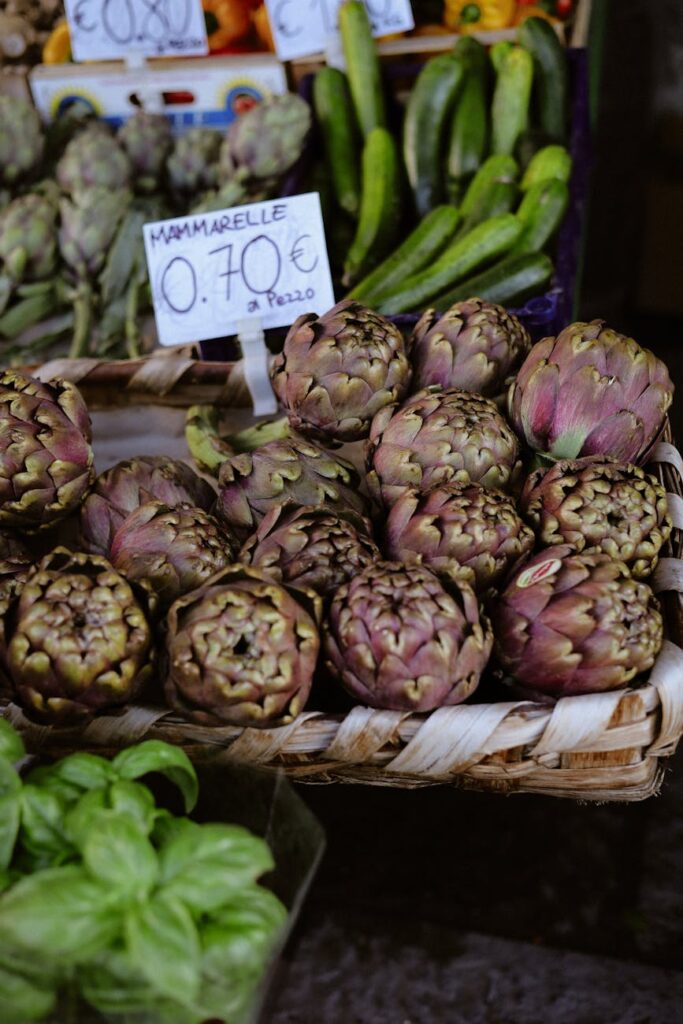
Common Uses for Artichoke
Introduction
Artichokes, with their unique appearance and rich flavor, have long been a staple in various cuisines around the world. This thistle-like vegetable not only serves as a culinary delight but also boasts a variety of applications beyond the kitchen. Understanding the versatile uses of artichokes can enhance your appreciation for this remarkable ingredient, whether you are a professional chef, a food enthusiast, or someone interested in the broader culinary landscape.
What Is Uses?
In the context of food ingredients, “uses” refers to the various ways an ingredient can be utilized in culinary practices, food preparation, preservation, and even in non-culinary applications. For artichokes, their uses extend from traditional cooking methods to innovative culinary techniques and beyond, encompassing nutritional, aesthetic, and functional aspects.
History and Origins
The artichoke, scientifically known as Cynara scolymus, hails from the Mediterranean region. It is believed to have been cultivated for over 2,000 years, with evidence of its use dating back to ancient Egypt and the Roman Empire. The artichoke was initially prized for its medicinal properties before it gained popularity as a food source.
In the 16th century, the artichoke made its way to France, where it became a delicacy among the aristocracy. It continued to spread throughout Europe and eventually reached the Americas, where it flourished in California’s warm climate. Today, the United States is among the largest producers of artichokes, particularly in California, which accounts for the vast majority of the country’s supply.
Production and Processing
Artichokes thrive in well-drained, fertile soil and require a temperate climate for optimal growth. The majority of commercial production occurs from March to May, coinciding with peak harvest seasons. Once harvested, artichokes must be handled with care to preserve their freshness.
Processing artichokes can involve various methods, including canning, freezing, and marinating. Canned and jarred artichokes are popular for their convenience and extended shelf life, while frozen artichokes retain much of their flavor and nutritional value. The processing methods chosen can greatly influence the versatility of artichokes in different culinary applications.
Quality and Grading
The quality of artichokes can significantly impact their culinary uses. Factors such as size, color, and firmness play a crucial role in determining their grade.
- Size: Larger artichokes are often preferred for certain dishes, while smaller varieties may be used for appetizers or as garnishes.
- Color: Fresh artichokes should have vibrant green leaves without browning or discoloration.
- Firmness: A high-quality artichoke will feel heavy for its size and have tightly closed leaves, indicating freshness.
- Cosmetics: The antioxidants found in artichokes are sometimes utilized in skincare products, promoting healthier skin.
- Decorative Uses: The striking appearance of artichokes makes them a popular choice for centerpieces and decorative plating in fine dining restaurants.
Artichokes are commonly graded as U.S. Fancy, U.S. No. 1, and U.S. No. 2, with Fancy being the highest quality. Understanding these grading criteria can help consumers select the best artichokes for their needs.
Buying Considerations
When purchasing artichokes, several factors should be taken into account:
1. Freshness: Look for artichokes with tightly closed petals and a vibrant green color. Avoid any with brown spots or a wrinkled appearance.
2. Size: Consider the intended use; larger artichokes are suitable for steaming or stuffing, while smaller ones can be used for dips or salads.
3. Seasonality: Artichokes are typically in season from March to May, so buying during these months ensures optimal flavor and freshness.
4. Source: Opt for local or organic artichokes when possible to support sustainable farming practices and ensure quality.
By considering these factors, consumers can make informed choices that enhance their culinary experiences.
Uses and Applications
Artichokes are incredibly versatile and can be used in a myriad of ways. Their applications span not only traditional cooking but also innovative culinary techniques and food pairings.
Culinary Uses
1. Steaming and Boiling: One of the most common methods of preparation, steaming or boiling artichokes allows their natural flavors to shine. They can be served with various dipping sauces, providing a simple yet elegant appetizer.
2. Grilling: Grilled artichokes acquire a smoky flavor that pairs well with Mediterranean dishes. They can be marinated in olive oil, garlic, and herbs before grilling for added depth.
3. Stuffing: Larger artichokes can be hollowed out and stuffed with a mixture of breadcrumbs, cheese, and spices, creating a hearty, flavorful dish.
4. Pureeing: Artichokes can be blended into soups or dips, such as artichoke and spinach dip. Their creamy texture makes them an excellent base for various spreads.
5. Salads: Marinated or roasted artichoke hearts are a popular addition to salads, providing a tangy flavor and unique texture.
6. Canning and Preserving: Canned artichokes are widely used in dishes like pizzas, pastas, and antipasto platters. They offer convenience and long shelf life while maintaining their flavor.
Non-Culinary Uses
Beyond their culinary applications, artichokes have found their way into various non-culinary uses as well:
Storage and Shelf Life
Proper storage is essential to maintain the freshness and quality of artichokes. When stored correctly, fresh artichokes can last about 3 to 7 days in the refrigerator. It is advisable to keep them in a loose plastic bag to retain moisture without trapping excess humidity.
For canned or jarred artichokes, always check the expiration date and store them in a cool, dry place. Once opened, they should be refrigerated and consumed within a few days for the best flavor and quality.
Common Misconceptions
Despite their popularity, several misconceptions about artichokes persist:
1. Artichokes are only for gourmet cooking: While they are often featured in high-end cuisine, artichokes can easily be incorporated into everyday meals.
2. All artichokes are the same: There are numerous varieties of artichokes, including globe, baby, and purple artichokes, each with unique flavors and uses.
3. Artichokes are difficult to prepare: While they may seem intimidating, artichokes can be prepared easily with just a few basic techniques, making them accessible for home cooks.
Frequently Asked Questions
1. What are the different types of artichokes?
The most common types include globe artichokes, which are large and round; baby artichokes, which are smaller and tender; and purple artichokes, known for their vibrant color and slightly sweeter taste.
2. How do you know if an artichoke is fresh?
Fresh artichokes should have tightly closed leaves, a vibrant green color, and feel heavy for their size. Any signs of browning or wilting indicate that the artichoke is past its prime.
3. Can you eat artichoke leaves?
Yes, the outer leaves of artichokes can be eaten. They are typically dipped in sauces, and the fleshy part near the base of the leaf is scraped off with the teeth.
4. Are canned artichokes as nutritious as fresh ones?
While canned artichokes retain many of their nutrients, they may have added sodium or preservatives. Fresh artichokes typically have a higher nutrient content and fewer additives.
5. How can you prepare artichokes for grilling?
To prepare artichokes for grilling, first, trim the tips of the leaves and cut the artichoke in half. Remove the fuzzy choke inside, then marinate in olive oil, lemon juice, and seasonings before grilling.
6. Are artichokes gluten-free?
Yes, artichokes are naturally gluten-free, making them a suitable option for those with gluten sensitivities or celiac disease.
In conclusion, artichokes are not only a culinary delight but also a versatile ingredient with a rich history and numerous applications. Understanding their uses and how to select, store, and prepare them can enhance your culinary repertoire and appreciation for this remarkable vegetable.