
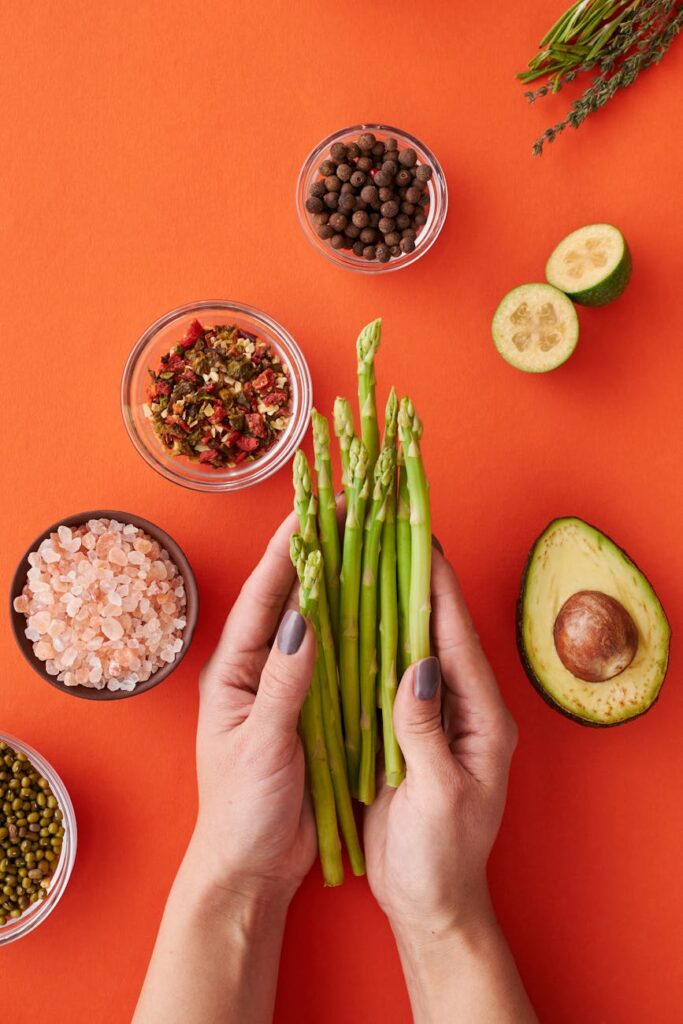
Common Uses for Asparagus
Introduction
Asparagus, a member of the Lily family, is a renowned vegetable celebrated not only for its unique flavor but also for its versatility in various culinary applications. This green spear is a staple in many cuisines around the world, ranging from simple side dishes to elaborate gourmet meals. Its distinct taste and texture, combined with a wealth of nutritional benefits, make asparagus a sought-after ingredient in both home kitchens and professional restaurants.
What Is Uses?
The term “uses” refers to the various ways an ingredient can be applied in cooking, food preparation, or as a component of a dish. In the case of asparagus, its uses extend beyond mere consumption. This vegetable can be found in salads, soups, and main courses, and it can be prepared through various cooking methods, including grilling, steaming, and roasting. Understanding the diverse applications of asparagus enhances not only culinary creativity but also dietary variety.
History and Origins
Asparagus has a rich history that dates back over 2,000 years. Originally cultivated by the ancient Egyptians, Greeks, and Romans, it was celebrated for both its culinary and medicinal properties. The word “asparagus” is derived from the Greek word “asparagos,” which means “sprout.” Historical texts reveal that asparagus was considered a delicacy in ancient Rome, where it was often served at lavish banquets.
As the centuries progressed, asparagus cultivation spread across Europe, with France and the Netherlands becoming notable centers for its production. In the 18th century, asparagus made its way to North America, where it thrived in the temperate climate. Today, it is cultivated worldwide, with the United States, Mexico, and Peru among the largest producers.
Production and Processing
The production of asparagus involves meticulous cultivation practices that ensure high-quality yields. Asparagus is typically grown in well-drained soil and requires specific climatic conditions—cool winters and moderate summers—to flourish. The plant is perennial, meaning it can produce for several years once established.
Harvesting asparagus is labor-intensive. The spears are usually hand-picked when they reach a length of about six to eight inches, ensuring they are tender and flavorful. The timing of the harvest is crucial; asparagus should be harvested in the early morning to maintain its freshness. After harvesting, asparagus is often processed quickly to preserve its quality, which may include washing, trimming, and packaging for distribution.
Quality and Grading
Asparagus quality is determined by several factors, including size, color, and firmness. The grading system generally categorizes asparagus into three primary grades: U.S. Fancy, U.S. No. 1, and U.S. No. 2.
- U.S. Fancy: This grade features thick, uniform spears that are bright green and free from defects.
- U.S. No. 1: These spears are slightly thinner and may have minor blemishes but still maintain high quality.
- U.S. No. 2: This grade includes thinner spears that may be more irregular in shape and color.
High-quality asparagus should be firm to the touch, with tightly closed tips and vibrant color. The quality of asparagus can significantly influence its culinary applications, as younger, fresher spears tend to have a more delicate flavor and texture.
Buying Considerations
When purchasing asparagus, several factors should be taken into account to ensure optimal quality and freshness. Look for spears that are firm, straight, and free from blemishes. The tips should be tightly closed, which indicates freshness. If purchasing asparagus bundled, check that the ends are moist; dry, wilted ends can signal age.
Seasonality is another important consideration. In North America, asparagus is typically in season from late March to June. Buying during this time often results in better flavor and quality. Additionally, consider purchasing locally grown asparagus whenever possible, as this often translates to reduced transportation time and enhanced freshness.
Uses and Applications
Asparagus is remarkably versatile, making it suitable for a variety of culinary applications. Here are some of the most common uses:
Culinary Applications
1. Salads: Asparagus can be blanched and then added to salads, providing a crisp texture and a pop of color. It pairs well with a variety of dressings and can be served warm or cold.
2. Soups: Cream of asparagus soup is a classic dish that highlights the vegetable’s delicate flavor. Asparagus can also be pureed and incorporated into other soups, adding both flavor and nutrition.
3. Side Dishes: Roasted or sautéed asparagus makes an excellent side dish, complementing a range of proteins such as chicken, fish, and beef. It can be seasoned with herbs, spices, or even citrus for added depth.
4. Main Courses: Asparagus can shine as a main ingredient in various dishes, such as risottos or pasta. It is often combined with other seasonal vegetables to create vibrant and hearty meals.
5. Grilling: Grilled asparagus has a smoky flavor that enhances its natural sweetness. It can be served as an appetizer or as a side, often drizzled with balsamic vinegar or olive oil.
Non-Culinary Uses
Beyond its culinary applications, asparagus has found its way into other areas. For instance, it is sometimes used in natural skincare products due to its antioxidant properties. The extract from asparagus is believed to contribute to skin hydration and protection from environmental stressors.
Storage and Shelf Life
Proper storage is vital to maintaining the freshness and quality of asparagus. To maximize its shelf life, it is best to store asparagus upright in a container with water, similar to how you would store fresh flowers. Cover the tops loosely with a plastic bag to retain moisture. This method can keep asparagus fresh for up to a week.
If you need to store asparagus for longer periods, consider blanching and freezing it. Blanching helps to preserve the vegetable’s color, flavor, and nutritional value. Once blanched, asparagus can be placed in airtight containers or freezer bags and stored in the freezer for several months.
Common Misconceptions
Despite its popularity, there are several misconceptions surrounding asparagus.
1. Asparagus Is Only Green: While green asparagus is the most common variety, it also comes in purple and white forms. The color difference is due to the way the asparagus is grown—green spears are exposed to sunlight, while white spears are grown underground to prevent chlorophyll production.
2. Asparagus Has a Short Shelf Life: While fresh asparagus does have a limited shelf life, proper storage can extend its usability. Additionally, frozen asparagus can last for several months without significant loss of quality.
3. Asparagus Should Always Be Cooked: Asparagus can be enjoyed raw, especially when young and tender. It can be shaved into salads or served as a crunchy snack alongside dips.
Frequently Asked Questions
1. How do I know if asparagus is fresh?
Look for firm, straight spears with tightly closed tips. The color should be vibrant, typically green, with moist ends.
2. Can I eat asparagus raw?
Yes, asparagus can be eaten raw. Young, tender spears are often added to salads or served with dips.
3. How do I prepare asparagus for cooking?
Start by trimming the tough ends, usually about an inch from the bottom. You can then blanch, steam, grill, or roast the spears depending on your preferred cooking method.
4. What is the best way to cook asparagus?
The best cooking method depends on personal preference. Grilling, roasting, and steaming are popular options that enhance the natural flavors of asparagus.
5. Is asparagus available year-round?
Asparagus is typically in season from late March to June in North America. However, it is available year-round due to imports from other countries.
6. How can I tell if asparagus has gone bad?
Spoiled asparagus will appear limp and wilted, and may have a slimy texture or an off-putting smell. Discard any asparagus that shows these signs.
Asparagus stands as a versatile vegetable, celebrated for its rich history, diverse applications, and culinary flexibility. Understanding its uses not only enhances cooking skills but also enriches one’s appreciation for this remarkable ingredient.