
Common Uses for Basil
Introduction
Basil, a fragrant herb belonging to the mint family, is celebrated for its aromatic leaves and culinary versatility. Often associated with Mediterranean cuisine, particularly Italian dishes, basil has transcended regional boundaries and has found its way into various culinary traditions worldwide. This article explores the multifaceted uses of basil, examining its history, production, quality, and applications in cooking, as well as addressing common misconceptions surrounding its use.
What Is Uses?
The term “uses” refers to the various applications and functions of a particular ingredient. In the case of basil, its uses span culinary, aromatic, and even ornamental realms. Understanding the diverse applications of basil can enhance not only culinary skills but also foster an appreciation for this herb’s rich history and versatility.
History and Origins
Basil (Ocimum basilicum) is thought to have originated in tropical regions of Asia, particularly India and Southeast Asia, where it has been cultivated for thousands of years. Its name is derived from the Greek word “basilikos,” meaning “royal,” which reflects its esteemed status in ancient cultures. In Hindu tradition, basil is considered a sacred plant, often associated with the goddess Lakshmi.
Basil made its way to Europe through trade routes and conquests, becoming a staple in Mediterranean cuisine by the Middle Ages. It gained popularity in Italy and was integrated into famous dishes like pesto and Caprese salad. Today, basil is cultivated in numerous varieties worldwide, each with its own unique flavor profile and culinary applications.
Production and Processing
The production of basil primarily occurs in regions with warm climates, particularly in countries such as Italy, Thailand, and the United States. Basil thrives in well-drained soil and requires ample sunlight for optimal growth. Cultivation methods may vary from traditional farming to hydroponics, with organic and non-organic options available.
Once harvested, basil undergoes minimal processing to maintain its aromatic properties. Fresh basil leaves are typically washed, trimmed, and packaged for sale. Dried basil is produced through a dehydration process that retains the herb’s essential oils, albeit with a slightly altered flavor profile.
Quality and Grading
The quality of basil is influenced by several factors, including its freshness, aroma, and appearance. Fresh basil should have vibrant green leaves, a strong fragrance, and no signs of wilting or discoloration. When purchasing dried basil, it is essential to check for uniformity in color and texture. High-quality dried basil should retain a robust aroma and flavor, indicating proper processing and storage.
Grading systems for basil are generally not standardized; however, consumers can often gauge quality through visual and olfactory assessments. Organic certifications may also indicate adherence to specific cultivation standards, although these certifications do not necessarily reflect flavor quality.
Buying Considerations
When selecting basil, several factors should be considered to ensure the best flavor and quality. Here are some key points to keep in mind:
1. Fresh vs. Dried: Fresh basil is typically more aromatic and flavorful than dried. Consider the intended use; fresh basil is ideal for garnishing and in salads, whereas dried basil works well in cooked dishes.
2. Varietal Differences: Various basil varieties, such as sweet basil, Thai basil, and purple basil, possess distinct flavor profiles. Familiarize yourself with these differences to select the appropriate type for your culinary needs.
3. Source and Seasonality: Fresh basil is often best when sourced locally and in season. Out-of-season basil may be less flavorful and more expensive.
4. Organic vs. Conventional: Opting for organic basil may offer peace of mind regarding pesticide use, although flavor and quality should be the ultimate determining factors.
Uses and Applications
Basil’s versatility makes it a beloved ingredient across cuisines. Here are some common applications:
Culinary Uses
1. Pasta Dishes: Basil is a staple in Italian cooking, frequently appearing in sauces, especially marinara and pesto. Its flavor complements tomatoes, garlic, and olive oil.
2. Salads: Fresh basil adds a burst of flavor to salads, particularly those featuring tomatoes, mozzarella, and vinaigrettes. The herb can enhance the freshness of leafy greens.
3. Soups and Stews: Basil is often used to season soups and stews, imparting a fragrant aroma that elevates the dish. It is particularly effective in lentil and vegetable soups.
4. Pizza Topping: As a classic pizza topping, basil is often added fresh after baking, preserving its vibrant flavor and aroma.
5. Herbal Teas and Infusions: Basil can be steeped in hot water to create aromatic herbal teas, often combined with other herbs for a unique flavor profile.
Aromatic Uses
1. Essential Oils: Basil essential oil is extracted for use in aromatherapy and natural cleaning products due to its refreshing scent. It is often used to promote relaxation and alleviate stress.
2. Potpourri: Dried basil can be included in potpourri blends, contributing a pleasant aroma to homes and spaces.
Ornamental Uses
1. Gardening: Basil is not only a culinary herb but also an attractive addition to gardens. Its lush green foliage and occasional purple flowers add beauty to garden beds.
2. Companion Planting: Basil is known to repel certain pests, making it an excellent companion plant for vegetables like tomatoes and peppers.
Storage and Shelf Life
Proper storage is crucial for maintaining the freshness and flavor of basil. Here are some storage tips:
Fresh Basil
- Refrigeration: Fresh basil should be stored in the refrigerator, wrapped in a damp paper towel and placed in a plastic bag for optimal moisture retention. This method can extend its shelf life for up to a week.
- Water Method: Another effective way to store fresh basil is to place the stems in a glass of water, like a bouquet. Cover the leaves with a plastic bag and refrigerate. This method can keep basil fresh for several days.
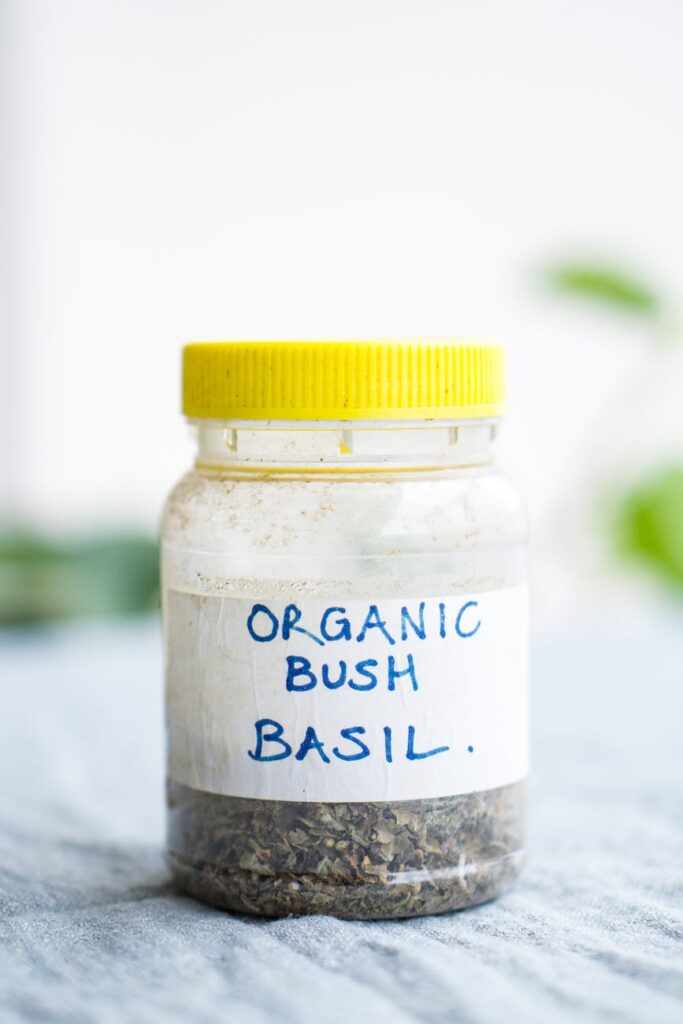
- Airtight Containers: Dried basil should be stored in airtight containers, away from direct light and heat. When stored properly, dried basil can last for about six months to a year, although its flavor may diminish over time.
Dried Basil
Common Misconceptions
1. Basil Only Belongs in Italian Cuisine
While basil is a hallmark of Italian cooking, it is also integral to cuisines such as Thai, Vietnamese, and Indian. Each cuisine utilizes different varieties and preparations to enhance their dishes.
2. All Basil Tastes the Same
There are numerous basil varieties, each with its own flavor profile. Sweet basil is commonly used in Italian dishes, while Thai basil has a spicier, anise-like flavor that pairs well with Asian cuisines.
3. Dried Basil Cannot Compete with Fresh
While fresh basil is often preferred for its vibrant flavor, dried basil can still offer depth in cooked dishes. The key is to use the right amounts and understand how to incorporate it effectively.
4. Basil Is Just a Garnish
Basil is more than just a decorative element; it plays a significant role in flavoring and enhancing dishes. Its culinary applications extend beyond mere garnishing.
Frequently Asked Questions
1. Can I grow basil indoors?
Yes, basil can be grown indoors, provided it receives sufficient sunlight and is kept in well-draining soil. A sunny windowsill is often an ideal location.
2. What is the best way to preserve fresh basil?
Freezing fresh basil is one effective method. Simply chop the leaves, place them in an ice cube tray with water or olive oil, and freeze. This allows for easy use in future dishes.
3. How do I know if dried basil is still good?
Dried basil should have a strong aroma. If it smells stale or lacks scent, it is likely past its prime. Additionally, check for any signs of mold or moisture.
4. What are the different types of basil?
Common types include sweet basil, Thai basil, purple basil, and lemon basil, each with distinct flavors suitable for various cuisines.
5. Can basil be used in desserts?
Yes, basil can be used in desserts, particularly in sorbets, ice creams, or infused into syrups for cocktails, adding a unique flavor dimension.
6. Is it better to harvest basil in the morning or afternoon?
Harvesting basil in the morning is recommended, as the essential oils are most concentrated at this time, ensuring maximum flavor and aroma.
Conclusion
Basil stands out as a versatile herb with rich historical roots and diverse culinary applications. From enhancing traditional Italian dishes to serving as an aromatic element in various forms, basil’s uses extend far beyond the kitchen. Understanding its production, quality, and storage considerations can elevate one’s culinary endeavors and appreciation for this remarkable herb. Whether fresh or dried, basil remains a staple in kitchens around the world, continually inspiring chefs and home cooks alike.