
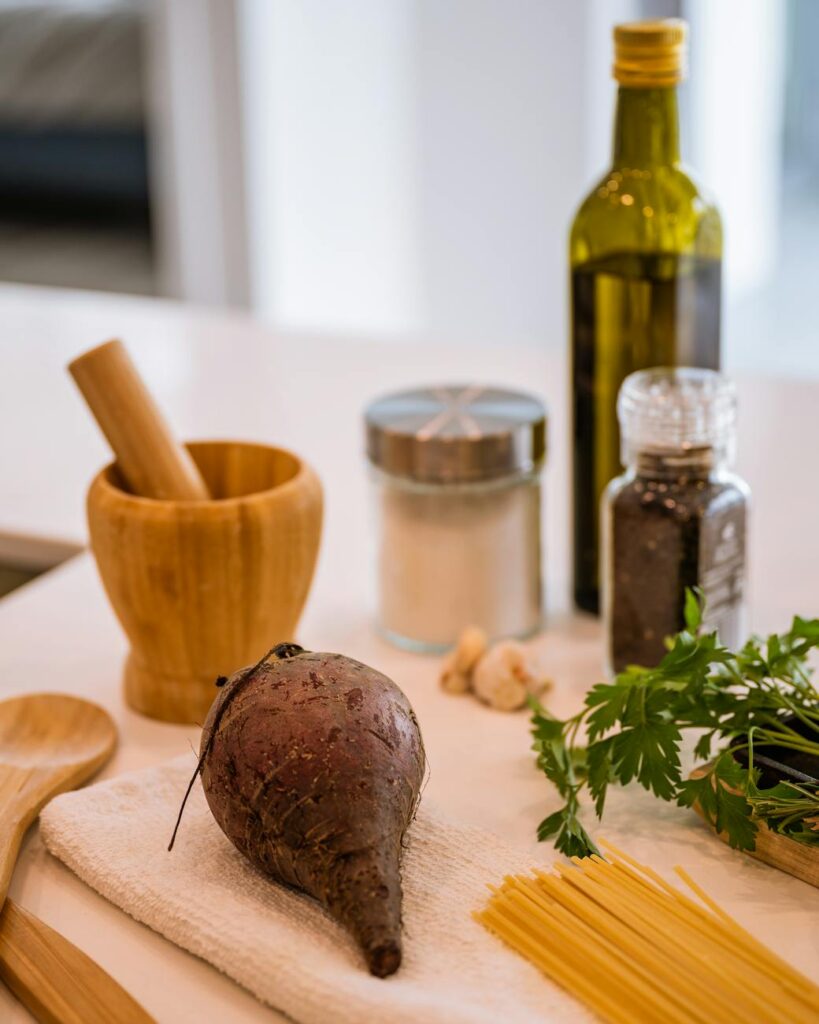
Common Uses for Beetroot
Introduction
Beetroot, often simply referred to as beet, is a vibrant and versatile root vegetable that has captured the attention of chefs, nutritionists, and home cooks alike. Known for its striking deep purple hue and earthy flavor, beetroot has a rich culinary tradition spanning various cultures. This article delves into the multifaceted uses of beetroot, exploring its historical significance, production processes, culinary applications, and more.
What Is Uses?
The term “uses” refers to the various applications and functions of a particular ingredient. In the case of beetroot, its uses can be categorized into culinary, nutritional, industrial, and medicinal applications. Understanding these uses provides insight into why beetroot has gained popularity in kitchens and industries around the world.
History and Origins
Beetroot traces its origins back to the Mediterranean region, where wild beet varieties grew along coastlines. The cultivated form of beetroot, known as Beta vulgaris, was first domesticated in the ancient civilizations of the Near East and later spread throughout Europe. Historically, beets were valued not only as a food source but also for their medicinal properties.
In ancient Rome, beetroot was used as an aphrodisiac, while during the Middle Ages, it gained prominence as a staple food, especially in Eastern European diets. Today, beetroot has transcended its humble beginnings, becoming a popular ingredient in various culinary traditions worldwide.
Production and Processing
Beetroot is predominantly grown in temperate regions, with major producers including the United States, Russia, France, and Germany. It thrives in well-drained soil and requires a moderate climate for optimal growth. The harvesting of beetroot typically occurs in late summer to early autumn, with roots being pulled from the ground and the greens often removed before selling.
After harvesting, beetroot undergoes various processing methods. It can be cooked, pickled, juiced, or dehydrated, allowing for diverse applications in both home kitchens and commercial food production. The processing methods can significantly influence the flavor, texture, and nutritional profile of the beetroot.
Quality and Grading
The quality of beetroot is determined by several factors, including color, size, shape, and firmness. High-quality beets are typically vibrant in color, free from blemishes, and firm to the touch. Grading standards may vary by region, but generally, the best beetroots are classified as U.S. No. 1 or U.S. Fancy, indicating superior quality.
When purchasing beetroot, consumers should look for roots that are smooth and unblemished, with greens that are fresh and vibrant, indicating that the vegetable is fresh and of high quality.
Buying Considerations
When buying beetroot, several factors warrant consideration:
1. Freshness: Look for firm, unblemished roots. Fresh beets can be stored for a longer duration compared to older ones, which may be soft or shriveled.
2. Variety: Beetroot comes in various types, including red, golden, and striped varieties. Each type offers unique flavors and aesthetic qualities.
3. Seasonality: Beetroot is generally in season from late summer to early spring. Purchasing in-season produce ensures better flavor and nutritional value.
4. Organic vs. Conventional: Organic beetroot is grown without synthetic pesticides or fertilizers, which may appeal to health-conscious consumers.
5. Local Produce: Whenever possible, opt for locally grown beetroot, as it is likely to be fresher and more flavorful.
Uses and Applications
Culinary Uses
Beetroot is renowned for its versatility in the culinary world. Here are some of the primary applications:
1. Salads: Cooked or raw, beetroot adds a vibrant color and earthy flavor to salads. It pairs well with ingredients like goat cheese, walnuts, and citrus.
2. Soups: Beetroot is the star ingredient in soups such as borscht, a traditional Eastern European dish. Its natural sweetness balances well with savory elements.
3. Juices and Smoothies: Beetroot juice is prized for its nutrient density and can be consumed alone or blended with other fruits and vegetables for a healthful drink.
4. Pickling: Pickled beetroot is a popular condiment that adds tanginess and color to a variety of dishes, from sandwiches to charcuterie boards.
5. Baking: Beetroot can be incorporated into baked goods, such as brownies or cakes, providing moisture and a subtle sweetness.
6. Garnishes: Thinly sliced or grated beetroot can serve as a garnish for various dishes, adding both visual appeal and flavor.
Nutritional Uses
Beetroot is celebrated not only for its culinary applications but also for its nutritional profile. It is low in calories and rich in essential vitamins and minerals, including folate, manganese, and potassium. The presence of antioxidants, particularly betalains, contributes to its health benefits, promoting overall well-being.
Industrial Uses
Beyond the kitchen, beetroot finds applications in various industries:
1. Food Coloring: The vibrant pigments extracted from beetroot, known as betacyanins, are used as natural food colorants in a range of products, including confectionery and beverages.
2. Animal Feed: Beet pulp, a byproduct of sugar extraction, is commonly used as animal feed due to its high fiber content.
3. Biofuels: Research is ongoing into the use of beetroot-derived sugars for biofuel production, highlighting its potential in sustainable energy.
Medicinal Uses
While this article does not delve into medical advice, it’s worth noting that beetroot has been historically acknowledged for its potential health benefits. Its high nitrate content may support cardiovascular health, and its antioxidant properties contribute to overall health.
Storage and Shelf Life
To maintain freshness, beetroot should be stored in a cool, dark place, ideally in the refrigerator. When stored correctly, unwashed beetroot can last several weeks, while cooked beetroot should be consumed within a week.
For longer storage, beetroot can be frozen after cooking or juicing, allowing for extended use in various culinary applications.
Common Misconceptions
1. Beetroot is only for salads: While commonly associated with salads, beetroot can be used in a myriad of dishes, from soups to desserts.
2. All beetroot is red: Beetroot comes in various colors, including golden and striped varieties, each offering unique flavors and uses.
3. Beetroot is unhealthy: Despite its sweetness, beetroot is low in calories and packed with nutrients, making it a healthy addition to any diet.
4. Cooking destroys its nutrients: While some nutrients may diminish with cooking, many beneficial compounds remain intact, and cooking can enhance the bioavailability of certain nutrients.
Frequently Asked Questions
1. How do you choose fresh beetroot?
Look for firm, smooth roots with vibrant color and no blemishes. Fresh greens can also indicate freshness.
2. Can you eat beetroot raw?
Yes, raw beetroot can be grated or sliced and added to salads or smoothies for a crunchy texture and earthy flavor.
3. What are the health benefits of beetroot?
Beetroot is low in calories and high in essential vitamins and minerals. It is also rich in antioxidants and may support cardiovascular health.
4. How should beetroot be stored?
Beetroot should be stored in a cool, dark place, preferably in the refrigerator. Unwashed beetroot can last several weeks.
5. Can beetroot be frozen?
Yes, cooked or juiced beetroot can be frozen for longer storage, allowing for extended use in various dishes.
6. What is the best way to cook beetroot?
Beetroot can be boiled, roasted, or steamed. Each method offers a unique taste and texture, making it suitable for a variety of culinary applications.
Conclusion
Beetroot is a remarkable ingredient with a rich history and diverse applications. From its culinary versatility to its industrial uses, beetroot continues to be celebrated for its vibrant color, unique flavor, and nutritional benefits. Understanding the various uses of beetroot not only enhances culinary creativity but also fosters appreciation for this multifaceted root vegetable. Whether in a salad, soup, or as a natural food coloring, beetroot holds a special place in kitchens and industries around the globe.