
Common Uses for Black Pepper
Introduction
Black pepper (Piper nigrum) is often referred to as the “king of spices” due to its ubiquity and culinary significance across various cultures. Known for its distinctive pungency and aromatic qualities, black pepper has been a staple in kitchens worldwide for centuries. This article explores the multifaceted uses of black pepper, ranging from culinary applications to other domains like cosmetics and traditional practices.
What Is Uses?
The term “uses” in the context of food ingredients refers to the various ways an ingredient can be utilized in cooking, food preparation, or other applications. For black pepper, this includes its role as a seasoning, preservative, and even its applications in non-culinary fields. Understanding these uses helps elevate the appreciation for this common yet essential spice.
History and Origins
Black pepper is native to the tropical regions of South India and has a rich history dating back over 4,000 years. It was highly sought after in ancient trade routes, linking the East to the West. Its value was so significant that it was used as currency and even as a form of tribute in some cultures. The spice made its way into European cuisine during the Roman Empire, where it was prized for its flavor and preservative qualities. Over the centuries, it has maintained its status as a culinary cornerstone, finding its way into cuisines worldwide.
Production and Processing
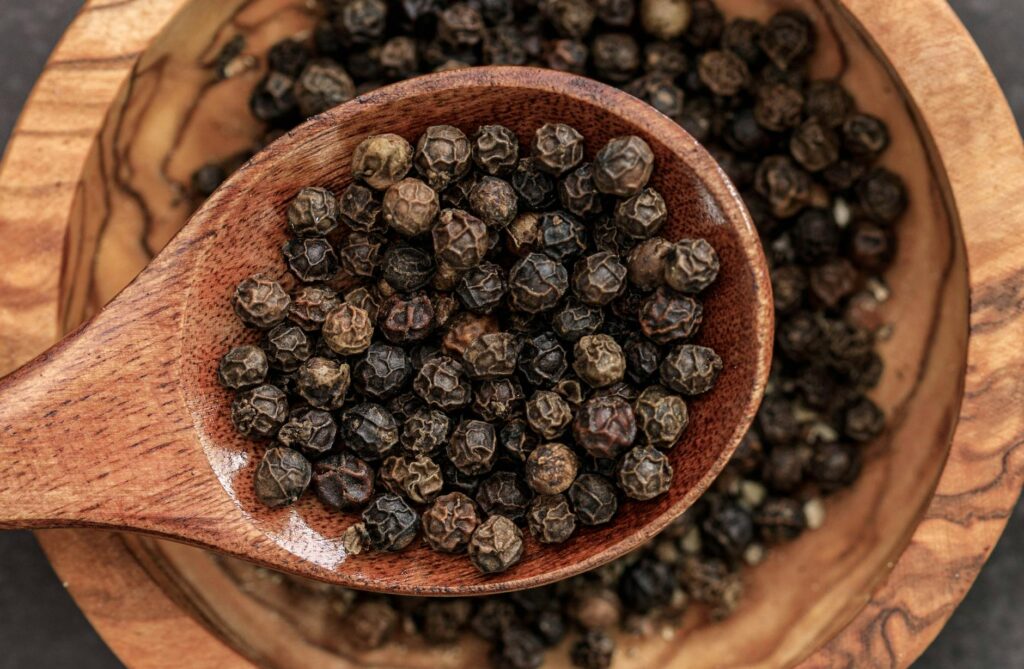
Black pepper is harvested from the dried berries of the pepper plant. The berries are picked when they are still green and unripe and then boiled briefly to halt fermentation. They are subsequently dried in the sun or through mechanical means, which causes the outer layer to turn black and wrinkled. The quality of black pepper is determined by the size of the berries, their maturity at harvest, and processing methods. Each of these factors influences the flavor profile, pungency, and aroma of the final product.
Quality and Grading
The quality of black pepper is typically graded based on parameters such as size, color, and flavor intensity. Common grading systems include:
- Tellicherry Pepper: Known for its larger size and bold flavor, this variety is highly regarded.
- Malabar Pepper: Offers a robust flavor profile, often used in cooking and spice blends.
- Lampong Pepper: Recognized for its unique aroma and pungency, this variety is sourced from Indonesia and is often used in specialty dishes.
Understanding these grades is essential for consumers and chefs alike, as they can significantly influence the outcome of a dish.
Buying Considerations
When purchasing black pepper, several factors should be considered to ensure quality and flavor. Look for whole peppercorns rather than pre-ground varieties, as whole spices retain their flavor longer. The packaging should be opaque to prevent light exposure, which can degrade the spice. Additionally, consider the origin; certain regions produce distinct flavors that may complement specific cuisines or dishes.
Uses and Applications
Black pepper’s applications are diverse and extend beyond mere seasoning. Here are some of its primary uses:
Culinary Uses
1. Seasoning: The most prevalent use of black pepper is as a seasoning. It enhances the flavor profile of a wide range of dishes, from meats and vegetables to soups and sauces.
2. Spice Blends: Black pepper is a key component of many spice blends, such as garam masala and five-spice powder. Its sharpness balances the sweetness of other spices.
3. Marinades and Rubs: The spice is often used in marinades and dry rubs, where it serves to tenderize and flavor proteins.
4. Pickling: Black pepper is a common ingredient in pickling recipes, as it not only adds flavor but also possesses antimicrobial properties.
5. Baking: In certain cuisines, black pepper is used in baked goods, providing an unexpected depth of flavor in breads and pastries.
Non-Culinary Uses
1. Cosmetics: Black pepper oil is sometimes incorporated into cosmetic products for its aromatic properties. It is believed to have stimulating effects, making it a popular choice in perfumes and body oils.
2. Aromatherapy: The essential oil extracted from black pepper is used in aromatherapy for its invigorating scent and potential to stimulate the senses.
3. Traditional Practices: In various cultures, black pepper has been utilized in traditional practices, including rituals and ceremonies, often symbolizing prosperity and protection.
4. Preservation: Historically, black pepper has been used as a preservative due to its antimicrobial properties. While modern refrigeration has reduced this need, it remains a valuable asset in food preservation.
Health and Wellness
Although this article does not delve into medical advice, it is important to note that black pepper has been extensively studied for its potential health benefits. It is often included in wellness routines and various dietary plans, serving as a flavorful way to enhance meals while possibly contributing to overall well-being.
Storage and Shelf Life
Proper storage is crucial for maintaining the quality of black pepper. Whole peppercorns should be kept in an airtight container in a cool, dark place away from moisture and heat. Ground black pepper has a shorter shelf life due to its increased surface area, which makes it more susceptible to oxidation. Typically, whole peppercorns can last for several years, while ground pepper is best used within six months for optimal flavor.
Common Misconceptions
Despite its popularity, several misconceptions about black pepper persist:
1. All Black Pepper Is the Same: Many consumers believe all black pepper has the same flavor profile. However, variations from different regions can yield distinct tastes and aromas.
2. Ground Pepper Is Just as Good as Whole: While ground pepper is convenient, it loses flavor more quickly than whole peppercorns. Whole peppercorns provide a fresher and more robust flavor.
3. Black Pepper Is Just a Spice: While primarily used as a spice, black pepper has a rich history of diverse applications, including medicinal and cosmetic uses.
4. More Pepper Means More Flavor: While black pepper adds heat and depth, excessive amounts can overshadow other flavors in a dish. Balance is key.
Frequently Asked Questions
1. What is the difference between black, white, and green pepper?
Black pepper is harvested when the berries are still green and then dried, resulting in a darker color and stronger flavor. White pepper is made from the same berries but is fermented and has the outer layer removed, resulting in a milder taste. Green pepper is harvested early and preserved in brine or vinegar, offering a fresh and bright flavor.
2. Can black pepper be used in desserts?
Yes, black pepper can enhance the flavor of certain desserts, particularly those featuring chocolate or fruits. Its sharpness can create a unique flavor profile when used in moderation.
3. How should black pepper be stored to maintain its freshness?
Black pepper should be stored in an airtight container in a cool, dark place. Whole peppercorns have a longer shelf life than ground pepper, which should be used within six months for optimal flavor.
4. Does black pepper have any health benefits?
While this article does not provide medical advice, black pepper is often associated with potential health benefits due to its antioxidant properties and ability to enhance nutrient absorption.
5. Is black pepper safe for everyone to consume?
Generally, black pepper is safe for most individuals in culinary amounts. However, those with specific sensitivities or allergies may want to consult with a healthcare provider regarding its consumption.
6. Can black pepper be used in cooking methods other than seasoning?
Absolutely! Black pepper is often used in marinades, brines, and spice blends, and can be incorporated into sauces and soups to enhance overall flavor complexity.
Conclusion
Black pepper is more than just a common seasoning; it is a multifaceted ingredient with a rich history and diverse applications across culinary and non-culinary domains. Its ability to enhance flavors, preserve food, and even contribute to cosmetic products underscores its significance. Understanding the uses of black pepper not only enriches culinary practices but also fosters a greater appreciation for this age-old spice. Whether in a simple dish or a complex culinary creation, black pepper remains an indispensable element in kitchens around the world.