
Common Uses for Bok Choy
Introduction
Bok choy, a member of the Brassica family, has become a staple in cuisines around the world, particularly in Asian cooking. Known for its crunchy texture and mild, slightly sweet flavor, this leafy green vegetable is not only versatile in its culinary applications but also rich in nutrients. In this article, we will explore the common uses of bok choy, delving into its history, production, quality considerations, and much more.
What Is Bok Choy?
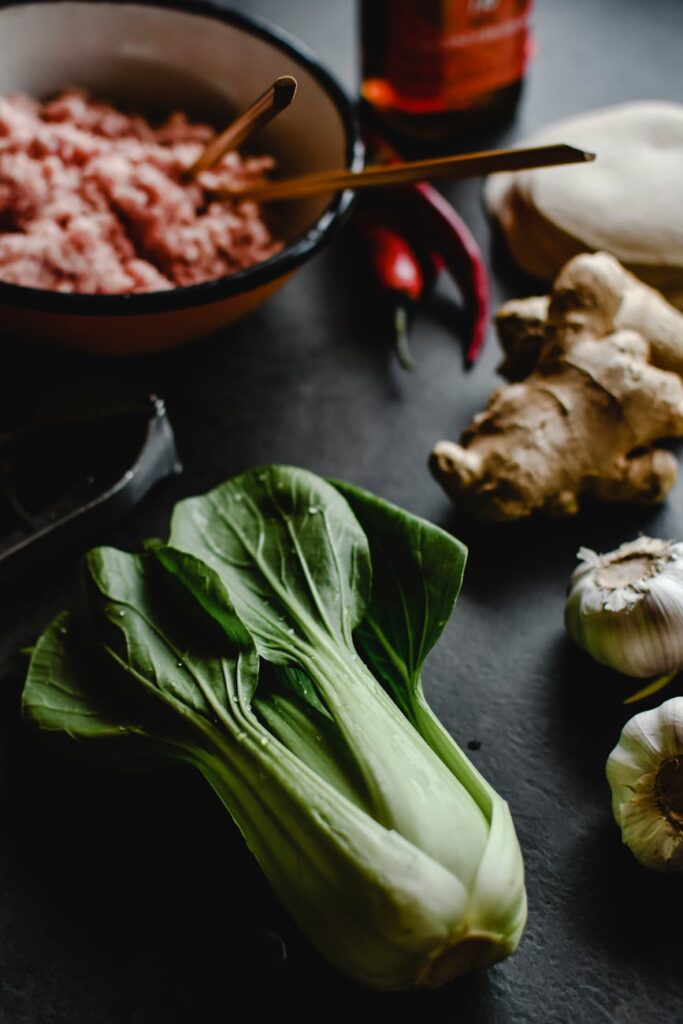
Bok choy, also referred to as pak choi, is a type of Chinese cabbage characterized by its dark green leaves and white stalks. It is a biennial plant that is typically grown as an annual. Its leaves can be broad or narrow, and the stalks can vary in thickness depending on the specific variety. Bok choy is prized for its high nutritional value, containing vitamins A, C, K, and essential minerals like calcium and potassium. Its crisp texture and mild flavor make it an ideal ingredient for various culinary applications.
History and Origins
Bok choy has a rich history that dates back thousands of years. Originating in China, it has been cultivated for over 5,000 years. The name “bok choy” translates to “white vegetable” in Cantonese, reflecting its distinctive white stalks. Initially, it was grown primarily in Southern China, but as trade routes expanded, the vegetable made its way to other parts of Asia and eventually to the rest of the world. Today, bok choy is cultivated in many countries, including the United States, Canada, and various regions of Europe.
Production and Processing
Bok choy thrives in cool weather, making it a popular crop in temperate regions. It is typically planted in early spring or late summer and harvested in the fall. The plant requires well-drained soil rich in organic matter, and it can be grown in both open fields and greenhouses.
Once harvested, bok choy undergoes a processing phase that may involve washing, trimming, and packaging. Due to its perishable nature, bok choy is often transported quickly to markets to ensure freshness. The vegetable is available year-round, although its peak season generally falls in the cooler months.
Quality and Grading
Quality assessment of bok choy involves evaluating its appearance, texture, and freshness. High-quality bok choy should have vibrant green leaves that are crisp and free from blemishes or browning. The stalks should be firm, plump, and white. Grading systems may vary by country, but generally, bok choy is categorized into grades based on these visual cues.
Consumers should look for bok choy that is free from insect damage and decay. Organic varieties are also available, often touted for their environmentally friendly cultivation practices.
Buying Considerations
When purchasing bok choy, consider the following factors to ensure you are selecting the best quality produce:
1. Freshness: Choose bok choy with bright, crisp leaves. Avoid any that appear wilted or yellowed.
2. Size: Smaller bok choy tends to be more tender and flavorful, while larger varieties may be tougher and more fibrous.
3. Organic vs. Conventional: Organic bok choy may have a higher price point but is often preferred for its reduced pesticide exposure.
4. Seasonality: If possible, buy bok choy during its peak season for optimal flavor and nutrition.
Uses and Applications
Bok choy’s versatility makes it suitable for a wide range of culinary applications. Here are some common uses:
1. Stir-Fries: One of the most popular uses for bok choy is in stir-fries. Its crisp texture holds up well against the high heat of a wok, making it an excellent addition to various meat and vegetable dishes.
2. Soups and Broths: Bok choy can enhance the flavor and nutritional profile of soups. It is often added to broths, providing a mild flavor and nutritional boost.
3. Salads: Raw bok choy can be sliced thinly and used in salads. Its crunchy texture adds an appealing contrast to softer ingredients.
4. Steaming and Sautéing: Steaming bok choy preserves its nutrients while softening its texture, making it a popular choice as a side dish. Sautéing it with garlic or ginger can elevate its flavor.
5. Pickling: In some cultures, bok choy is pickled for preservation or as a condiment. Pickled bok choy adds a tangy flavor to meals.
6. Casseroles and Bakes: Bok choy can be used in baked dishes, where its flavor melds well with cheeses, grains, and other vegetables.
7. Juicing and Smoothies: With its mild flavor, bok choy can be blended into juices and smoothies, offering a nutritious boost without overwhelming other flavors.
8. Wraps and Rolls: Its large leaves make an ideal wrap for fillings, serving as a low-carb alternative to tortillas or bread.
Storage and Shelf Life
Bok choy is best stored in the refrigerator, ideally in a perforated plastic bag to allow for air circulation. When stored correctly, it can last for about 3 to 5 days. To maintain freshness, avoid washing bok choy until you are ready to use it.
If you notice any signs of wilting or browning, it is advisable to use the affected leaves first. Bok choy can also be blanched and frozen for longer-term storage, although this may alter its texture upon thawing.
Common Misconceptions
1. Bok Choy Is Only for Asian Cuisine: While it is a staple in Asian dishes, bok choy’s versatility allows it to be incorporated into various cuisines, including Mediterranean and American.
2. Only the Leaves Are Edible: Many people are unaware that both the leaves and the stalks of bok choy are edible and nutritious. The stalks often provide a delightful crunch.
3. Bok Choy Has No Flavor: On the contrary, when cooked correctly, bok choy can have a mild, sweet flavor that enhances many dishes.
4. Bok Choy Is a Seasoned Vegetable: Some believe bok choy is only available during certain seasons. While it is more commonly harvested in cooler months, it is cultivated year-round in many regions.
Frequently Asked Questions
1. Can you eat bok choy raw?
Yes, bok choy can be eaten raw. It is often used in salads and as a crunchy topping for various dishes.
2. How do you prepare bok choy for cooking?
Rinse the bok choy thoroughly to remove any dirt. Trim the base to separate the leaves, and chop as desired.
3. Is bok choy the same as napa cabbage?
No, while both are members of the cabbage family, bok choy and napa cabbage have different shapes and textures. Bok choy has a more upright growth habit, whereas napa cabbage has a more rounded form.
4. What are the nutritional benefits of bok choy?
Bok choy is low in calories and high in vitamins and minerals, including vitamins A, C, and K, as well as calcium and potassium.
5. Can bok choy be frozen?
Yes, bok choy can be blanched and frozen for later use. However, this may change its texture.
6. What are the best cooking methods for bok choy?
Bok choy can be stir-fried, steamed, sautéed, or used in soups. Each method brings out its unique flavor and texture.
Conclusion
Bok choy is a versatile and nutritious ingredient that can elevate a variety of dishes. With its rich history and widespread cultivation, it continues to be a favorite among chefs and home cooks alike. Understanding its uses, storage, and preparation can enhance your culinary repertoire and allow you to enjoy this remarkable vegetable in myriad ways. Whether you’re incorporating it into traditional recipes or experimenting with new cuisines, bok choy is a delightful addition to any meal.