
Common Uses for Chanterelle Mushrooms
Introduction
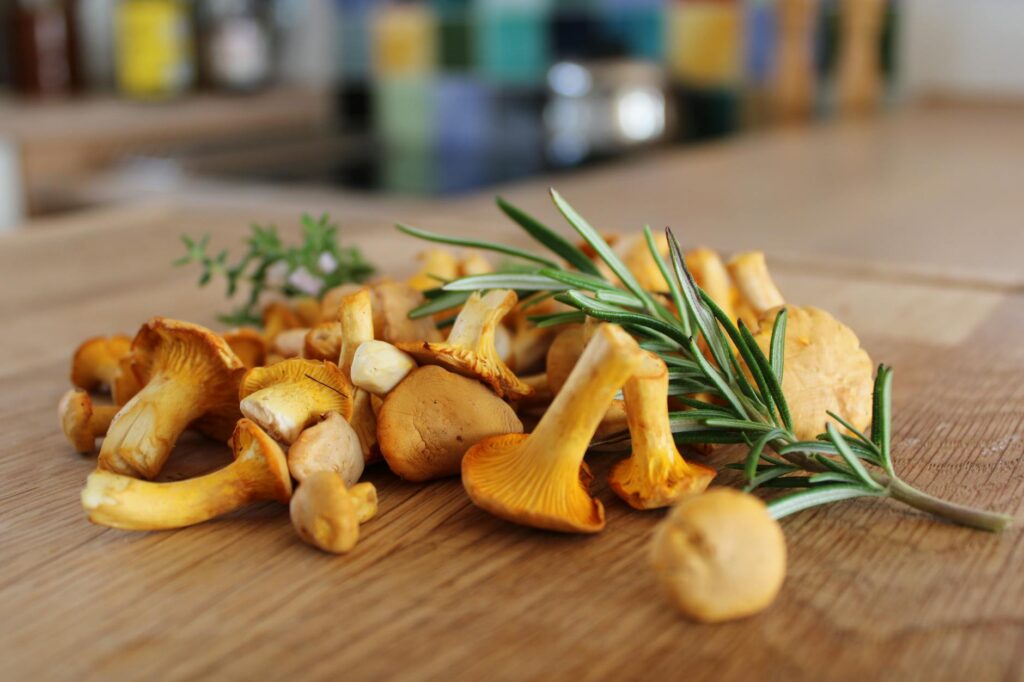
Chanterelle mushrooms, known for their vibrant golden hue and delicate flavor, have captivated chefs and home cooks alike for centuries. These fungi are not only appreciated for their culinary applications but also for their unique characteristics, such as their nutty aroma and slightly peppery taste. In this article, we will explore the various uses of chanterelle mushrooms, delving into their history, production, quality considerations, and more.
What Is Uses?
The term “uses” in the context of an ingredient refers to the various ways it can be utilized in cooking and food preparation. This encompasses culinary applications, preservation methods, and even aesthetic uses in the plating of dishes. For chanterelle mushrooms, their versatility allows them to be incorporated into a broad spectrum of cuisines, enhancing flavors and adding a touch of elegance to a variety of dishes.
History and Origins
Chanterelle mushrooms have a rich history that dates back to ancient times. They are native to the temperate regions of the Northern Hemisphere, including parts of Europe, North America, and Asia. Evidence suggests that these mushrooms were consumed by various cultures, including the Romans and the indigenous peoples of North America. Their popularity has grown significantly over the years, particularly in gourmet cuisine, where they are celebrated for their unique flavor profile and texture.
Historically, chanterelles were foraged rather than cultivated, which remains a prevalent practice today. The wild harvesting of these mushrooms is an art in itself, requiring a deep understanding of the ecosystem where they thrive. The popularity of chanterelles has led to increased interest in sustainable foraging practices, ensuring that these prized mushrooms can continue to be enjoyed for generations.
Production and Processing
Chanterelle mushrooms are primarily harvested in the wild, as they are difficult to cultivate commercially. Their growth is closely linked to specific environmental conditions, including soil type, moisture levels, and the presence of certain tree species, such as conifers and broadleaf trees. The best time for harvesting is typically late summer to early fall, depending on geographical location.
Once harvested, chanterelles are handled with care to preserve their delicate structure and flavor. They are often cleaned gently to remove any dirt or debris, as aggressive washing can damage their fragile caps. After cleaning, they can be sold fresh, dried, or canned. Dried chanterelles are particularly popular, as they concentrate the mushroom’s flavors and can be rehydrated for various culinary applications.
Quality and Grading
The quality of chanterelle mushrooms can vary significantly based on several factors, including freshness, size, and the method of harvesting. High-quality chanterelles are firm to the touch, have a vibrant color, and exhibit a pleasant aroma. Grading systems may vary by region, but generally, the best chanterelles are graded based on their size and overall appearance.
When purchasing chanterelles, consumers should look for mushrooms that are free from blemishes, mold, or excessive moisture. Smaller, younger specimens are often preferred for their tenderness and concentrated flavor, while larger chanterelles can be used in heartier dishes.
Buying Considerations
When looking to purchase chanterelle mushrooms, several factors should be taken into account:
1. Freshness: Always opt for fresh chanterelles when possible. They should feel firm and spring back when pressed.
2. Source: Consider buying from reputable foragers or specialty stores that prioritize sustainable harvesting practices.
3. Storage: Understand the storage requirements for fresh chanterelles, as they have a limited shelf life.
4. Seasonality: Be aware of the seasonality of chanterelles in your region, as this can impact availability and pricing.
5. Dried vs. Fresh: Decide whether you prefer fresh or dried chanterelles, as each has unique applications in cooking.
Uses and Applications
Chanterelle mushrooms are incredibly versatile and can be used in a multitude of culinary applications. Here are some common uses:
1. Sautéing
One of the most popular methods for preparing chanterelles is sautéing. The gentle heat allows the mushrooms to release their natural flavors while retaining their delicate texture. Sautéed chanterelles can be used as a topping for meats, incorporated into pasta dishes, or served alongside vegetables.
2. Soups and Sauces
Chanterelles add depth and complexity to soups and sauces. Their earthy flavor profile enhances cream-based soups, stock, and rich sauces, making them a favorite ingredient in gourmet cooking.
3. Risottos and Grain Dishes
Chanterelles pair beautifully with grains such as rice, barley, and farro. Their unique flavor complements the creaminess of risotto, creating a luxurious dish that highlights the mushrooms’ natural qualities.
4. Garnishes
Due to their striking appearance, chanterelles are often used as a garnish. Their vibrant color and interesting shape make them an attractive addition to plated dishes, adding visual appeal alongside their flavor.
5. Stuffing
Chanterelles can also be used in stuffing mixtures for poultry, seafood, or vegetables. Their distinct taste enriches the filling, providing an elevated flavor experience.
6. Pickling
Pickled chanterelles are a popular delicacy in some cultures. The pickling process enhances their flavor while providing a unique texture, making them a delightful addition to charcuterie boards or as a condiment.
7. Vegetarian and Vegan Dishes
Chanterelles serve as an excellent meat substitute in vegetarian and vegan dishes. Their umami-rich flavor profile can mimic the taste and texture of meat, making them an ideal choice for plant-based eating.
Storage and Shelf Life
Fresh chanterelle mushrooms have a relatively short shelf life, typically lasting only a few days when stored properly. To maximize freshness, they should be kept in a paper bag in the refrigerator, allowing for air circulation while preventing excess moisture build-up. Avoid storing them in plastic bags, as this can lead to spoilage.
Dried chanterelles, on the other hand, have a much longer shelf life. When stored in a cool, dark place in an airtight container, they can last for months, retaining their flavor and aroma. Rehydration is simple: soak them in warm water for about 20 to 30 minutes before use.
Common Misconceptions
Despite their popularity, several misconceptions about chanterelle mushrooms persist:
1. All Chanterelles are Edible: While most chanterelles are safe to eat, there are some look-alikes that may be toxic. It’s crucial to have a proper identification of the species before consuming them.
2. Chanterelles Are Easy to Cultivate: Unlike some mushroom varieties, chanterelles are notoriously difficult to cultivate commercially, which is why they are predominantly foraged.
3. Dried Chanterelles Are Inferior: Many believe that dried mushrooms lack flavor compared to fresh ones; however, the drying process can intensify their taste, making them a valuable ingredient in various applications.
4. Chanterelles Are Always Golden: While the golden hue is characteristic of many chanterelles, they can also come in shades of orange and even white, depending on the species.
Frequently Asked Questions
1. Are chanterelle mushrooms safe to eat?
Yes, chanterelle mushrooms are generally considered safe to eat, but proper identification is essential to avoid toxic look-alikes.
2. How can I tell if chanterelles are fresh?
Fresh chanterelles should be firm, vibrant in color, and free from blemishes or excessive moisture.
3. Can I freeze fresh chanterelles?
While it is possible to freeze chanterelles, it is recommended to blanch them briefly before freezing to preserve their texture and flavor.
4. How do I clean chanterelle mushrooms?
Gently brush off any dirt with a soft brush or wipe them with a damp cloth. Avoid soaking them in water, as they can absorb moisture and lose their flavor.
5. What dishes pair well with chanterelle mushrooms?
Chanterelles complement a wide range of dishes, including pasta, risottos, soups, and sauces, and they also work well as a garnish.
6. Are there different types of chanterelle mushrooms?
Yes, there are several species of chanterelles, with the Golden Chanterelle (Cantharellus cibarius) being the most well-known and widely used in cooking.
In summary, chanterelle mushrooms are a versatile and elegant ingredient with a rich history and a variety of culinary applications. Their unique flavor and texture make them a favorite among chefs and food enthusiasts, and understanding their uses can elevate any dish. Whether sautéed, used in soups, or served as a garnish, chanterelles continue to enchant palates around the world.