
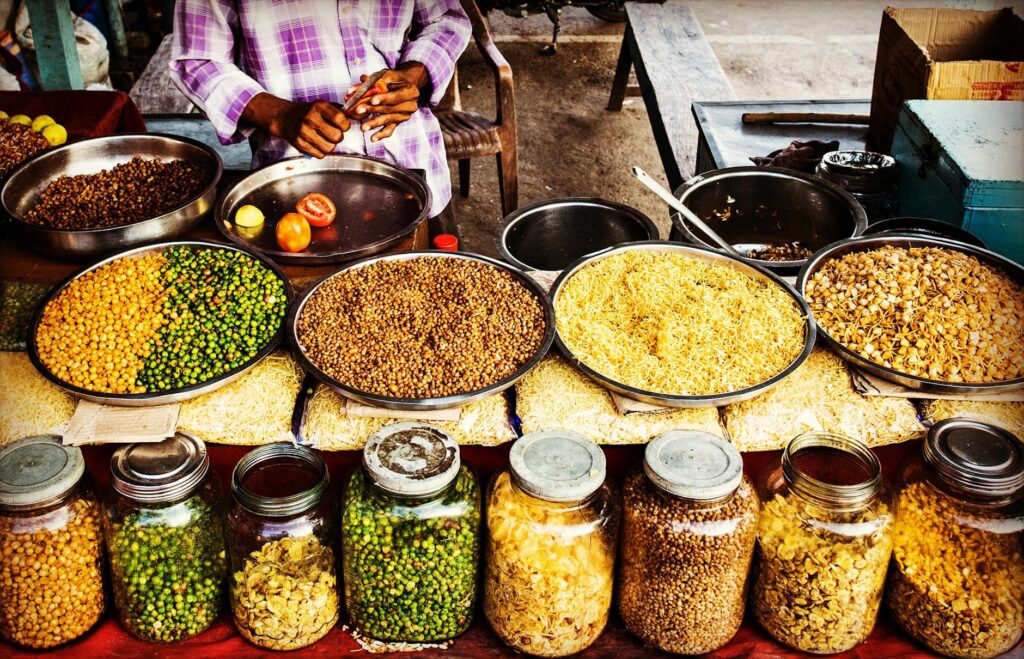
Common Uses for Chickpeas
Introduction
Chickpeas, also known as garbanzo beans, are one of the oldest cultivated legumes, revered for their versatility and nutritional benefits. With a rich history spanning thousands of years, these legumes have found their way into a wide array of culinary applications across various cultures. From salads and stews to snacks and spreads, chickpeas have earned a prominent place in global cuisine. This article delves into the multifaceted uses of chickpeas, exploring their history, production, quality grading, and practical applications.
What Are Uses?
The term “uses” refers to the various applications and purposes that an ingredient can serve in culinary practices, food production, and beyond. For chickpeas, these uses are extensive due to their unique flavor, texture, and nutritional profile. Whether employed as a primary ingredient or an additive, chickpeas can enhance dishes in numerous ways, providing both sustenance and flavor.
History and Origins
Chickpeas have a storied history that dates back over 7,000 years, with origins traced to the Middle East, particularly in regions that today encompass Turkey and Syria. Archaeological evidence indicates that chickpeas were among the first legumes cultivated by humans. They quickly spread throughout the Mediterranean and eventually reached India and Africa, where they became staples in various traditional diets.
In ancient times, chickpeas were valued not only for their nutritional properties but also for their ability to grow in poor soil conditions, making them a reliable food source in challenging environments. Over the centuries, diverse cultures have adapted chickpeas to fit their culinary traditions, from Middle Eastern hummus to Indian chana masala.
Production and Processing
Chickpeas are primarily cultivated in regions with warm climates, such as India, Turkey, and Australia. They thrive in well-drained soils with adequate sunlight, making them a popular crop in semi-arid regions. The two main varieties of chickpeas are the desi and kabuli types; the former is smaller and darker, while the latter is larger, cream-colored, and more common in Western cuisines.
After harvesting, chickpeas undergo a processing phase, which typically involves cleaning, sorting, and packaging. Dried chickpeas can be stored for extended periods, while canned varieties offer convenience and ready-to-eat options. In both cases, proper processing techniques are crucial to maintaining the quality and nutritional value of the legumes.
Quality and Grading
The quality of chickpeas is assessed based on several factors, including size, color, and absence of defects. Grading standards vary by region, but generally, higher-quality chickpeas are larger, have a uniform color, and are free from blemishes or foreign materials.
In the United States, the USDA has established grading standards for chickpeas, categorizing them into different grades based on their quality. This grading system is essential for consumers and producers alike, ensuring that buyers receive a product that meets their expectations in terms of quality and cooking characteristics.
Buying Considerations
When purchasing chickpeas, several factors should be taken into account:
1. Type: Decide between dried or canned chickpeas. Dried chickpeas require soaking and cooking, while canned varieties offer convenience.
2. Quality: Look for high-grade chickpeas that are free from defects. If buying dried chickpeas, check for uniform size and color.
3. Packaging: For dried chickpeas, choose packages that are sealed and free from moisture. Canned chickpeas should have intact seals and no signs of bulging.
4. Origin: Consider sourcing chickpeas from reputable suppliers known for quality products and sustainable farming practices.
5. Organic Options: Organic chickpeas are grown without synthetic fertilizers or pesticides, which may appeal to health-conscious consumers.
Uses and Applications
Chickpeas are an incredibly versatile ingredient with a myriad of applications in both culinary and non-culinary contexts. Below are some of the most common uses:
Culinary Applications
1. Salads: Chickpeas are often used in salads for added protein and texture. Their nutty flavor complements a variety of dressings and other ingredients.
2. Soups and Stews: They are a staple in many soups and stews, particularly in Mediterranean and Middle Eastern cuisines, where they contribute heartiness and depth.
3. Dips and Spreads: Chickpeas are the primary ingredient in popular dips like hummus. The creamy texture achieved by blending cooked chickpeas with tahini, olive oil, and spices makes for a nutritious and flavorful spread.
4. Curries and Stir-Fries: In Indian cuisine, chickpeas are frequently incorporated into curries, while their robustness allows them to hold up well in stir-fries.
5. Snacks: Roasted chickpeas have gained popularity as a healthy snack option. Seasoned and baked, they offer a crunchy alternative to traditional chips.
6. Flour: Chickpea flour, or besan, is widely used in gluten-free cooking and is a key ingredient in dishes such as socca and pakoras.
7. Plant-Based Proteins: As a rich source of protein, chickpeas are often utilized in vegetarian and vegan recipes, serving as a meat substitute in dishes like burgers and meatballs.
Non-Culinary Applications
1. Animal Feed: Chickpeas are also used in animal husbandry as a protein source in livestock feed.
2. Cosmetics: The flour is sometimes used in skincare products, owing to its absorbent properties.
3. Bioplastics: Emerging research is exploring the potential of chickpeas in the production of biodegradable plastics, tapping into their sustainability aspects.
Storage and Shelf Life
Proper storage is essential to maintain the quality and longevity of chickpeas. Dried chickpeas should be kept in a cool, dry place, ideally in an airtight container, where they can last for several years. If exposed to moisture, they can spoil or develop mold.
Canned chickpeas, once opened, should be refrigerated and consumed within 3-5 days for optimal freshness. Unopened cans can last for several years, but it is advisable to check the expiration date for safety.
Common Misconceptions
Despite their popularity, several misconceptions about chickpeas persist:
1. Chickpeas Are Only for Vegetarian Diets: While chickpeas are a staple in vegetarian and vegan diets due to their protein content, they are equally enjoyed by meat-eaters as a nutritious addition to various dishes.
2. Canned Chickpeas Are Less Nutritious: Many believe that canned chickpeas lack nutritional benefits compared to dried ones. However, canned chickpeas retain most of their nutrients and are a convenient alternative when time is limited.
3. Chickpeas Are Hard to Cook: Some individuals shy away from dried chickpeas due to the perception that they are difficult to prepare. In reality, soaking and cooking them is a straightforward process that yields delicious results.
4. All Chickpeas Taste the Same: The flavor profile of chickpeas can vary based on their variety and how they are prepared. Different cooking methods and seasonings can transform the taste significantly.
Frequently Asked Questions (FAQ)
1. Can I eat raw chickpeas?
Raw chickpeas are not recommended for consumption as they can be difficult to digest and may contain anti-nutrients. Cooking them is essential for both safety and digestibility.
2. Are chickpeas gluten-free?
Yes, chickpeas are naturally gluten-free, making them an excellent option for individuals with gluten sensitivities or celiac disease.
3. How do I know if dried chickpeas are still good?
Dried chickpeas can last for years if stored properly. However, if they have an off smell, discoloration, or signs of moisture, they should be discarded.
4. Can I substitute fresh chickpeas for dried ones in recipes?
Yes, but you need to account for the difference in cooking times. Fresh chickpeas typically cook faster, so adjust your cooking time accordingly.
5. What is the nutritional profile of chickpeas?
Chickpeas are rich in protein, fiber, and essential vitamins and minerals, including folate, iron, and magnesium. They are also low in fat, making them a nutritious addition to any diet.
6. Can I freeze cooked chickpeas?
Yes, cooked chickpeas can be frozen for later use. Just ensure they are cooled completely before placing them in airtight containers or freezer bags.
Conclusion
Chickpeas stand as a testament to the power of an ingredient that transcends cultural boundaries and culinary practices. Their rich history, myriad applications, and nutritional benefits make them a valuable asset in kitchens around the world. Whether enjoyed in traditional dishes or modern adaptations, chickpeas offer an array of flavors and textures that enhance meals while contributing to health and sustainability. As consumers become more aware of their dietary choices, the multifaceted uses of chickpeas will continue to gain prominence in both culinary and non-culinary realms.