
Common Uses for Fennel Bulb
Introduction
Fennel bulb, a member of the Apiaceae family, is a culinary delight revered for its unique flavor profile and versatility in various cuisines. This bulbous vegetable, characterized by its anise-like taste, has found its way into kitchens around the world. From salads to soups and even desserts, fennel bulb serves multiple purposes that extend beyond mere flavor enhancement. This article delves into the myriad uses of fennel bulb, exploring its culinary applications, historical significance, production processes, and more.
What Is Uses?
In the context of food ingredients, “uses” refers to the various ways an ingredient can be incorporated into culinary practices and applications. This encompasses not only the preparation and cooking methods but also the ingredient’s potential in flavoring, garnishing, and even pairing with other foods. Fennel bulb, with its distinctive flavor and texture, finds diverse applications across multiple cuisines, making it a valuable ingredient in both home and professional kitchens.
History and Origins
Fennel’s origins can be traced back to the Mediterranean region, where it has been cultivated for thousands of years. Ancient civilizations, including the Greeks and Romans, recognized its culinary and medicinal properties. Fennel was often used as a seasoning, and its seeds were employed for digestive relief. Over time, the cultivation of fennel spread across Europe and into Asia, eventually making its way to the Americas in the 19th century.
Today, fennel is grown in various climates around the world, with significant production in Italy, France, and California. Its unique flavor and versatility have made it a staple in many culinary traditions, from Italian and Mediterranean to Indian and Middle Eastern cuisines.
Production and Processing
Fennel bulb is typically harvested in the late summer to early fall, when the bulbs are mature and firm. The production process begins with the careful planting of fennel seeds in well-drained soil, rich in organic matter. As the plants grow, they require regular watering and attention to ensure optimal development.
Once harvested, fennel bulbs are cleaned and sorted based on size and quality. They are often sold fresh, but can also be processed into various forms, such as dried or pickled. The freshness of fennel is crucial to its flavor, as older bulbs can develop a woody texture and a less pronounced taste.
Quality and Grading
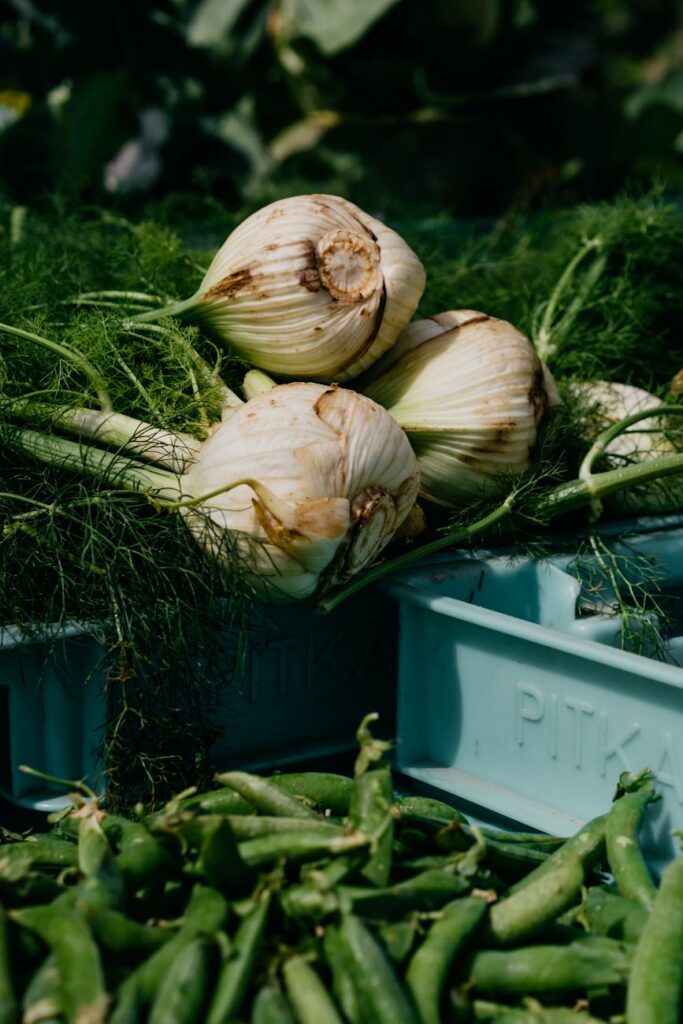
When selecting fennel bulb, quality is an important consideration. Fresh fennel should have a firm texture, crisp leaves, and a vibrant white or light green color. Quality grading often involves assessing the bulb’s size, shape, and overall freshness. Higher grades are typically larger, more uniform in shape, and possess a strong anise aroma, indicating optimal flavor.
Fennel bulbs may also be evaluated for their absence of blemishes, soft spots, or discoloration. Consumers should look for bulbs that feel heavy for their size, as this often indicates higher water content and freshness.
Buying Considerations
When purchasing fennel bulb, several factors should be considered to ensure the best quality. Shoppers should select bulbs that are firm and free from any signs of wilting or decay. Fresh fennel can often be found in the produce section of grocery stores, farmers’ markets, or specialty shops.
Organic fennel is also available, appealing to those who prefer produce grown without synthetic pesticides or fertilizers. It is advisable to choose fennel that is locally sourced when possible, as this often ensures freshness and better flavor.
Packaging can vary, with some bulbs sold individually and others bundled with their fronds. For maximum freshness, it is wise to choose bulbs that still have their feathery green fronds attached.
Uses and Applications
Fennel bulb’s versatility allows it to be used in a variety of culinary applications:
Salads and Slaws
Fennel’s crisp texture and refreshing flavor make it an excellent addition to salads and slaws. Thinly sliced fennel can add a crunchy element to mixed greens, while its anise flavor complements citrus dressings beautifully.
Soups and Broths
Fennel can be sautéed as a base for soups and broths, imparting a delicate sweetness. Its flavor pairs well with ingredients like tomatoes, potatoes, and seafood, enhancing the overall depth of the dish.
Roasting and Grilling
When roasted or grilled, fennel bulb caramelizes, amplifying its natural sweetness. This cooking method brings out its complex flavors, making it an ideal side dish or component in grain bowls.
Pasta Dishes
In Italian cuisine, fennel bulb is often used in pasta dishes, either as a sautéed component or as part of sauces. Its flavor pairs harmoniously with tomatoes, cream, and various proteins.
Pickling and Fermentation
Fennel is also a candidate for pickling and fermentation. The bulb’s crispness holds up well, making it a delightful addition to pickled vegetable medleys or as a standalone pickled item.
Garnishing and Flavoring
Fennel fronds, the feathery green tops of the fennel bulb, can be used as a garnish, adding visual appeal and a hint of flavor to dishes. The seeds of the fennel plant are also commonly used as a spice, providing a concentrated anise flavor to baked goods, sauces, and spice blends.
Desserts
In some culinary traditions, fennel bulb is even incorporated into desserts. Its natural sweetness and unique flavor can enhance fruit salads or be used in sorbets, offering an unexpected twist.
Storage and Shelf Life
To maintain freshness, fennel bulb should be stored in the refrigerator, ideally in a perforated plastic bag to allow for air circulation. Properly stored, fennel can last up to a week. However, it is best used within a few days of purchase for optimal flavor and texture.
If the fronds are still attached, they should be trimmed to prevent moisture absorption. For longer storage, fennel can be blanched and frozen, although this may alter its texture.
Common Misconceptions
Despite its popularity, fennel bulb is often misunderstood. Here are a few common misconceptions:
1. Fennel is Just for Italian Cuisine: While fennel is a staple in Italian cooking, it is widely used in a variety of other cuisines, including Middle Eastern, Indian, and Asian.
2. Fennel Is Only for Salads: Many people associate fennel exclusively with salads, but its versatility allows it to be used in soups, stews, and even desserts.
3. Fennel and Anise Are the Same: While fennel and anise share similar flavor profiles, they are distinct plants. Fennel is a vegetable, while anise is an herb.
4. Fennel Bulb Has No Culinary Value: Some believe fennel bulb is merely a decorative vegetable, but it offers a unique flavor and texture that can enhance a wide array of dishes.
Frequently Asked Questions
1. How do you prepare fennel bulb for cooking?
To prepare fennel bulb, first remove any tough outer layers. Rinse thoroughly under cold water, then slice off the root end. Fennel can be sliced, diced, or chopped based on the intended use.
2. Can you eat fennel bulb raw?
Yes, fennel bulb can be eaten raw. It adds a crunchy texture and fresh flavor to salads and slaws.
3. What pairs well with fennel bulb?
Fennel bulb pairs well with citrus, tomatoes, seafood, and various herbs like dill and parsley. Its unique flavor also complements spices such as cumin and coriander.
4. Is fennel bulb available year-round?
While fennel is primarily in season from late summer to fall, it is often available year-round in grocery stores due to its cultivation in different regions and climates.
5. What are the best cooking methods for fennel bulb?
Fennel can be sautéed, roasted, grilled, or used in soups and stews. Each method brings out different aspects of its flavor.
6. Can fennel bulb be frozen?
Yes, fennel bulb can be blanched and frozen. However, this may change its texture, making it best suited for cooked dishes after thawing.
Conclusion
Fennel bulb is a multifaceted ingredient that transcends culinary boundaries, bringing a distinctive flavor and texture to a wide variety of dishes. Its historical significance, versatile uses, and unique flavor profile make it a valuable addition to any kitchen. Whether enjoyed raw in salads or cooked in hearty dishes, fennel bulb continues to capture the hearts (and palates) of culinary enthusiasts around the globe.