
Common Uses for Fennel
Introduction
Fennel (Foeniculum vulgare) is a versatile and aromatic herb that has found its place in various culinary applications across the globe. With its distinctive anise-like flavor and crunchy texture, fennel is a favorite among chefs and home cooks alike. This article explores the myriad uses of fennel, ranging from its culinary applications to its historical significance and practical considerations in purchasing and storing the herb.
What Is Uses?
The term “uses” encompasses the various ways in which an ingredient, such as fennel, can be incorporated into cooking, food preparation, and even other industries. For fennel, uses can be categorized into culinary applications, medicinal purposes, and even ornamental uses. This multifaceted ingredient has transcended its role as a mere flavor enhancer, becoming an essential component in diverse cuisines worldwide.
History and Origins
Fennel has a rich history that dates back thousands of years. Native to the Mediterranean region, it was cultivated by ancient civilizations, including the Egyptians, Greeks, and Romans. The Greeks regarded fennel as a symbol of strength, while the Romans utilized it in their culinary practices and as a remedy for various ailments. Over time, fennel spread across Europe and Asia, adapting to various climates and culinary traditions. Today, it is cultivated in numerous countries, including India, China, and the United States, where it has become an essential ingredient in both traditional and modern culinary arts.
Production and Processing
Fennel is typically grown in temperate climates, thriving in well-drained soils with ample sunlight. The plant can be grown from seeds and takes about 90 to 120 days to mature. Both the bulb and the fronds are harvested for culinary use. After harvesting, fennel can be processed in various ways, including drying or pickling. Drying concentrates its flavor, making it an ideal addition to spice blends, while pickling enhances its sweetness and adds complexity to dishes.
Quality and Grading
When selecting fennel, quality is paramount. Fresh fennel should have a firm bulb, crisp fronds, and a vibrant green color. The aroma should be fragrant, with a distinct anise-like scent. In terms of grading, fennel is often categorized based on size and appearance. Higher grades typically have a more uniform size and fewer blemishes, making them more desirable for both culinary and commercial purposes.
Buying Considerations
When purchasing fennel, several factors should be considered:
1. Freshness: Opt for fennel bulbs that feel heavy and dense, with tightly packed layers. Avoid any that exhibit signs of wilting or browning.
2. Organic vs. Conventional: Organic fennel is grown without synthetic pesticides or fertilizers, making it a healthier choice for some consumers.
3. Seasonality: Fennel is typically in season from late fall to early spring, so buying during this time can yield the freshest produce.
4. Storage: Consider your ability to store fennel properly, as it has a limited shelf life.
Uses and Applications
Fennel’s culinary applications are diverse and can be categorized into several key areas:
Culinary Uses
1. Raw Applications: Fennel can be sliced thinly and added to salads for a refreshing crunch. The crisp texture pairs well with citrus dressings, making it an excellent addition to summer salads.
2. Sautéing and Roasting: Cooking fennel enhances its natural sweetness. Sautéed or roasted fennel can be a delightful side dish or a base for more complex flavors. Its unique taste complements a range of proteins, including fish, chicken, and pork.
3. Soups and Stews: Fennel bulbs can be diced and added to soups and stews, imparting a subtle sweetness and depth of flavor. Its aromatic qualities can enhance vegetable or meat-based broths.
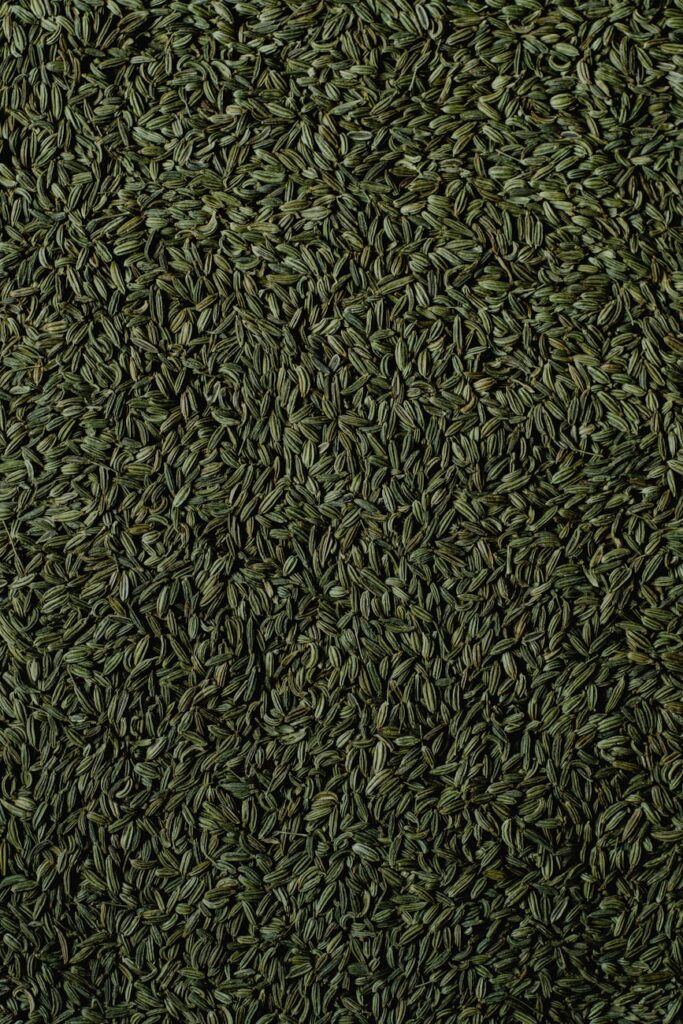
4. Herb and Spice Blends: Dried fennel seeds are commonly used in spice blends, such as Italian sausages and Indian masalas. They can be toasted to release their oils, enhancing their flavor.
5. Infusions: Fennel can be used to infuse oils or vinegars, adding a unique flavor profile that can elevate dressings or marinades.
6. Baking: Fennel seeds are sometimes incorporated into baked goods, such as bread and pastries, providing a subtle anise flavor that can complement sweet or savory recipes.
Non-Culinary Uses
Beyond its culinary applications, fennel has found uses in various other domains:
1. Aromatherapy: The essential oil derived from fennel is often used in aromatherapy for its calming and soothing properties.
2. Cosmetic Products: Fennel oil is also utilized in cosmetics and personal care products, thanks to its pleasant fragrance and potential skin benefits.
3. Herbal Teas: Fennel seeds are a popular ingredient in herbal teas, often praised for their aromatic qualities and digestive benefits.
4. Gardening: Fennel attracts beneficial insects, making it a popular choice for companion planting in home gardens.
Storage and Shelf Life
Fennel has a relatively short shelf life, and proper storage is essential to maintain its freshness. Fresh fennel should be stored in the refrigerator, ideally wrapped in a damp paper towel and placed in a plastic bag. This method helps retain moisture and crispness. When stored correctly, fresh fennel can last up to a week.
Dried fennel seeds, on the other hand, should be kept in a cool, dark place in an airtight container. They can retain their flavor for several months, but their potency will gradually diminish over time.
Common Misconceptions
Fennel is often surrounded by misconceptions. Some of the common myths include:
1. Fennel and Anise Are the Same: While both have a similar flavor profile, fennel and anise are distinct plants. Fennel has a bulbous base and fronds, while anise is a flowering plant that primarily produces seeds.
2. Fennel Is Only Used in Italian Cuisine: While fennel is a staple in Italian cooking, it is also integral to many other culinary traditions, including Indian, Middle Eastern, and Asian cuisines.
3. Fennel Seed Can Replace Fennel Bulb: Although fennel seeds can impart a similar flavor, they do not provide the same texture or sweetness as fresh fennel bulbs.
Frequently Asked Questions
1. Can fennel be eaten raw?
Yes, fennel can be eaten raw and is often used in salads, slaws, and as a crunchy snack.
2. How do I choose fresh fennel?
Look for firm bulbs with tightly packed layers and vibrant green fronds. Avoid any that are wilted or discolored.
3. Is fennel a common allergen?
Fennel is not considered a common allergen, but individuals with allergies to plants in the Apiaceae family should exercise caution.
4. Can fennel seeds be used instead of fennel bulbs?
Fennel seeds have a similar flavor but lack the texture and sweetness of the fresh bulb. They are often used in spice blends and cooking.
5. How should fennel be stored?
Fresh fennel should be kept in the refrigerator, wrapped in a damp paper towel, while dried fennel seeds should be stored in an airtight container in a cool, dark place.
6. What flavors pair well with fennel?
Fennel pairs well with citrus, garlic, olive oil, and various herbs such as dill and parsley, complementing a wide range of dishes.
In conclusion, fennel is a multifaceted ingredient that offers a wealth of culinary and non-culinary applications. Its unique flavor profile and adaptability make it a cherished herb in cuisines worldwide. Understanding fennel’s uses, storage, and historical significance enriches the appreciation of this remarkable ingredient, allowing both chefs and home cooks to explore its full potential.