
Common Uses for Feta Cheese
Introduction
Feta cheese, a brined curd cheese with a crumbly texture and a tangy flavor, has become a staple in many kitchens around the world. Originating from Greece, it is celebrated not only for its distinct taste but also for its versatility across a variety of culinary applications. This article explores the multifaceted uses of feta cheese, providing insights into its history, production, and storage, while addressing common misconceptions and frequently asked questions.
What Is Uses?
In the context of ingredients like feta cheese, “uses” refer to the various ways in which the ingredient can be incorporated into dishes, enhance flavors, and contribute to nutritional profiles. Understanding these uses can help both culinary enthusiasts and professional chefs maximize the potential of feta cheese in their cooking.
History and Origins
Feta cheese has a rich history that dates back thousands of years. It is believed to have originated in Greece, where it has been produced since at least the 8th century BCE. The name “feta” itself comes from the Italian word “fetta,” meaning “slice,” which refers to the cheese’s traditional method of preparation, where it was cut into slices before being served.
The earliest references to feta can be found in Homer’s “Odyssey,” where it is mentioned as a food consumed by the shepherds of the region. Over time, feta cheese evolved into a symbol of Greek culture and cuisine, often made from sheep’s milk or a mixture of sheep’s and goat’s milk. In 2002, feta was granted Protected Designation of Origin (PDO) status by the European Union, further solidifying its significance in culinary heritage.
Production and Processing
Feta cheese is traditionally made from either sheep’s milk or a blend of sheep’s and goat’s milk. The production process begins with the milk being pasteurized and then inoculated with specific bacterial cultures. Rennet is added to coagulate the milk, forming curds that are subsequently drained and cut into small pieces.
Once the curds are formed, they are gently heated and stirred, promoting whey separation. The curds are then placed in molds and pressed to remove excess whey. After this, the cheese is soaked in a brine solution, which not only aids in preservation but also imparts its characteristic salty flavor. The aging process can vary from a few weeks to several months, during which the cheese develops its distinct taste and texture.
Quality and Grading
The quality of feta cheese is influenced by several factors, including the type of milk used, the production methods, and aging conditions. When evaluating feta, several characteristics are considered:
- Texture: High-quality feta should be crumbly yet creamy.
- Flavor: A well-aged feta will have a tangy, salty flavor with complex undertones.
- Appearance: It should be white and somewhat porous, indicating proper processing.
- All Feta Is the Same: Not all feta is created equal. Authentic Greek feta has a distinct flavor and texture that can differ significantly from mass-produced varieties found in supermarkets.
- Feta Is Only for Greek Dishes: While feta is a staple in Greek cuisine, its versatility allows it to be incorporated into various culinary traditions, including Mediterranean, Middle Eastern, and even American dishes.
- Feta Is Unhealthy: While feta cheese is high in sodium, it also provides protein and calcium. Moderation is key, and its strong flavor means a little goes a long way in enhancing dishes.
Grading systems may vary by region, but top grades often reflect artisanal production methods, use of high-quality milk, and adherence to traditional practices.
Buying Considerations
When purchasing feta cheese, there are several factors to keep in mind:
1. Type of Milk: Choose between sheep’s milk, goat’s milk, or a blend, depending on your flavor preferences.
2. Brine Solution: Feta can be found in various brine solutions; those in a lighter brine tend to be milder and less salty.
3. Packaging: Look for feta sold in vacuum-sealed packages or brine, which helps retain freshness.
4. Origin: For authentic flavor, consider looking for PDO-certified feta from Greece.
5. Freshness: Check the expiration date and ensure that the packaging is intact.
Uses and Applications
Feta cheese is remarkably versatile and can be used in a wide array of culinary applications:
1. Salads
Feta cheese adds a salty and creamy component to salads. It is commonly used in Greek salads, where its flavor complements tomatoes, cucumbers, olives, and red onions.
2. Appetizers
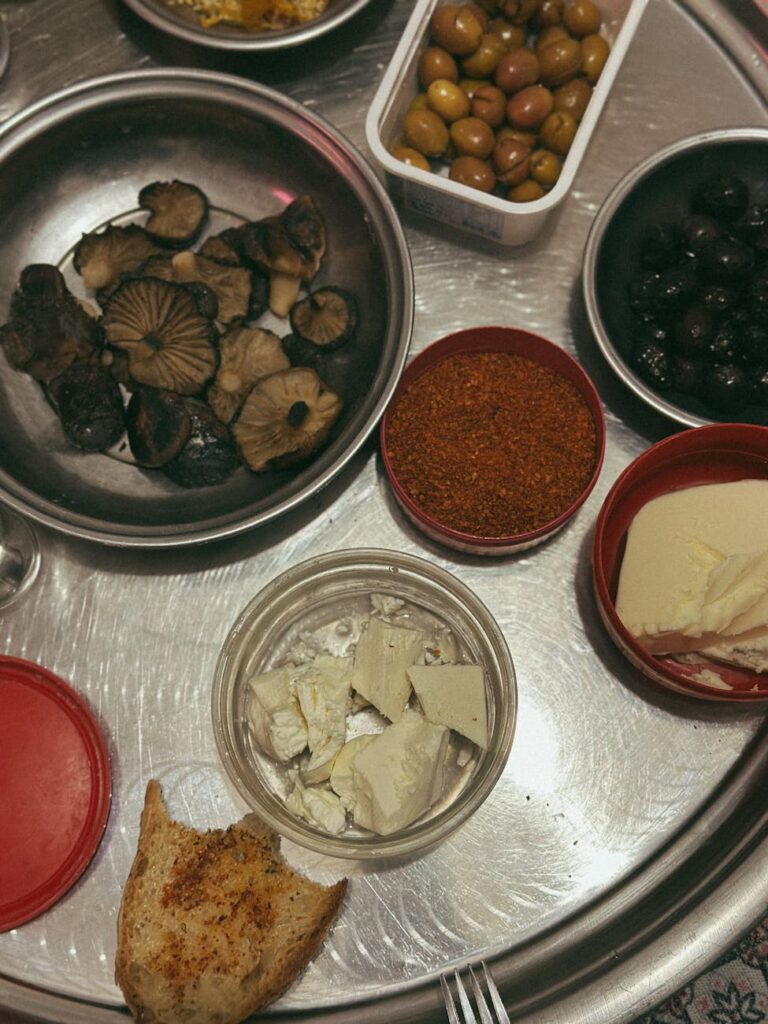
In the realm of appetizers, feta can be served alongside fresh bread, olives, or as part of a mezze platter. Crumbled feta can also enhance dips and spreads, providing depth to flavors.
3. Main Dishes
Feta cheese can be incorporated into various main dishes. It works beautifully in pasta dishes, where its creaminess balances out the acidity of tomatoes or the richness of cream sauces. Additionally, feta can be stuffed into meats or vegetables, such as peppers or eggplants, to impart a savory flavor.
4. Baked Goods
Feta cheese is increasingly being used in baked goods, such as savory pastries and breads. Its distinct flavor profile can elevate quiches, tarts, and flatbreads, making it a popular choice for brunch or snack options.
5. Pizza and Flatbreads
Using feta as a topping on pizzas and flatbreads adds a unique flavor twist. It pairs well with a variety of toppings, including spinach, artichokes, and roasted vegetables.
6. Breakfast Dishes
Feta can be included in breakfast preparations, such as scrambled eggs or omelets, providing a flavorful kick that transforms a simple dish into something extraordinary.
7. Sauces and Dressings
Feta cheese can be blended into creamy sauces or salad dressings, offering a rich texture and tangy flavor. It can also be crumbled over dishes as a finishing touch to enhance the overall presentation.
Storage and Shelf Life
Proper storage is crucial to maintain the freshness of feta cheese. Ideally, it should be kept in its original brine solution or, if not available, in a covered container filled with water or a light brine to prevent it from drying out. Once opened, feta cheese can typically last for about one to two weeks in the refrigerator, although its flavor may intensify over time.
If feta is stored in its original packaging, check for any signs of spoilage, such as off odors or discoloration. For longer storage, feta cheese can also be frozen, although this may alter its texture.
Common Misconceptions
Despite its popularity, there are several misconceptions surrounding feta cheese:
Frequently Asked Questions
1. How is feta cheese different from other cheeses?
Feta cheese is unique due to its brined texture, tangy flavor, and crumbly consistency. It is typically made from sheep’s or goat’s milk, distinguishing it from many cow’s milk cheeses.
2. Can feta cheese be made at home?
Yes, feta cheese can be made at home, though it requires specific ingredients and careful attention to the fermentation and aging process.
3. What are the best ways to use feta cheese?
Feta cheese can be used in salads, appetizers, baked dishes, and even breakfast items, making it an incredibly versatile ingredient.
4. Is feta cheese gluten-free?
Yes, feta cheese is naturally gluten-free, making it a suitable option for those with gluten sensitivities.
5. How can I tell if feta cheese has gone bad?
Signs of spoilage include off odors, discoloration, or mold growth. If any of these signs are present, it is best to discard the cheese.
6. Can feta cheese be substituted in recipes?
While feta has a unique flavor, it can sometimes be substituted with other tangy cheeses, such as goat cheese or ricotta salata, albeit with a different taste profile.
Conclusion
Feta cheese is more than just a flavorful addition to salads; it is a multifaceted ingredient with a rich history and numerous culinary applications. Understanding its uses, storage, and production processes not only enhances culinary skills but also deepens appreciation for this beloved cheese. Whether used in traditional Greek dishes or innovative modern cuisine, feta cheese continues to captivate palates around the world.