
Common Uses for Kefir Grains
Introduction
Kefir grains are a unique symbiotic culture of bacteria and yeasts (SCOBY) that have garnered significant attention in the culinary and health communities. Renowned for their probiotic properties, kefir grains are the key ingredient in producing kefir, a fermented dairy beverage. This article delves into the multifaceted uses of kefir grains, exploring their historical significance, production methods, quality considerations, and practical applications in both culinary and health contexts.
What Is Uses?
The term “uses” in relation to kefir grains refers to the various applications and benefits derived from these grains. While their primary function is to ferment milk into kefir, their versatility extends far beyond mere beverage production. Kefir grains can be utilized in various culinary techniques, alternative dairy products, and even in skin and hair care routines. Understanding these uses enables consumers to appreciate the full potential of kefir grains in their daily lives.
History and Origins
Kefir grains have a storied history that dates back several centuries, believed to have originated in the Caucasus Mountains of Eastern Europe. The word “kefir” is derived from the Turkish word “keif,” meaning “good feeling,” reflecting its historical association with health and wellness. Traditionally, kefir was made using cow, goat, or sheep milk, and it was commonly consumed for its perceived health benefits.
Over time, kefir grains were passed down through generations, often as a treasured family heirloom. Their unique fermentation process involves a combination of lactic acid bacteria and yeast, resulting in a tangy, effervescent drink rich in probiotics. As globalization has taken hold, the popularity of kefir grains has spread worldwide, leading to diverse adaptations and applications in various culinary traditions.
Production and Processing
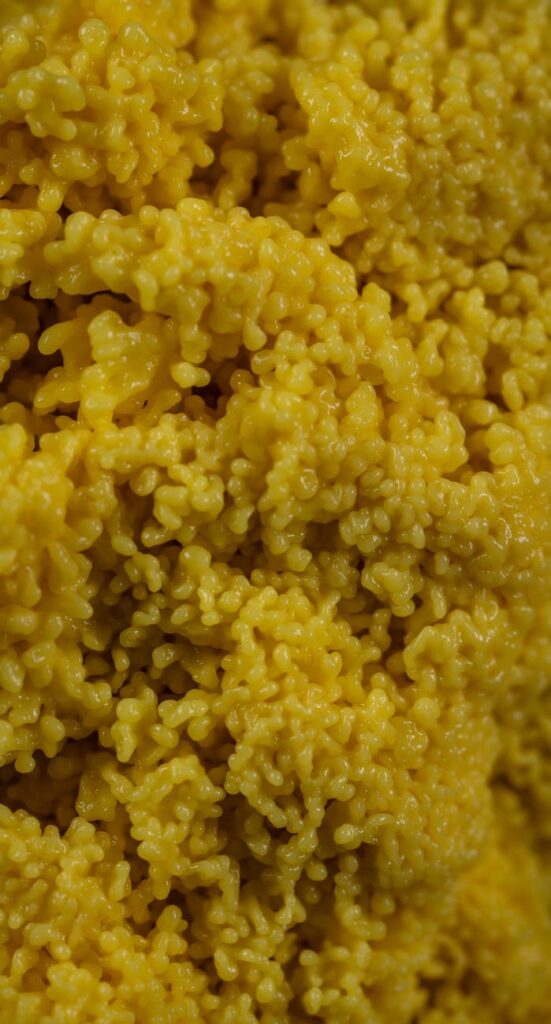
The production of kefir grains involves cultivating them in a suitable environment, typically using milk as a substrate. The grains resemble small, gelatinous curds and are composed of proteins, lipids, and polysaccharides, which create a protective matrix for the microorganisms.
To initiate the fermentation process, fresh milk is combined with kefir grains and allowed to sit at room temperature for 12 to 48 hours. The exact duration depends on the desired flavor and texture. During fermentation, lactose is converted into lactic acid, resulting in a tangy flavor profile and a creamy texture. The finished kefir can be strained to separate the grains, which can then be reused for subsequent batches.
It’s worth noting that kefir grains can also ferment non-dairy alternatives, such as coconut milk, almond milk, or soy milk. This adaptability makes them a versatile option for those with dietary restrictions or preferences.
Quality and Grading
The quality of kefir grains can vary significantly based on several factors, including the source, handling, and storage conditions. High-quality kefir grains should be plump, creamy white, and have a gelatinous consistency. They should have a pleasant, mildly tangy aroma, indicating that they are viable and active.
Grading kefir grains can be somewhat subjective, as personal preferences for taste and texture play a role. However, factors such as the balance of bacteria and yeast, the grains’ ability to ferment efficiently, and their resilience to various substrates are crucial indicators of quality.
When purchasing kefir grains, consumers should seek out reputable suppliers who provide information about their fermentation practices and the viability of their grains. Fresh, active grains will yield the best results in home fermentation.
Buying Considerations
When looking to buy kefir grains, several factors should be considered to ensure quality and usability:
1. Freshness: Look for grains that are recently harvested. Fresh grains are more likely to be active and effective in fermentation.
2. Source: Purchase from reputable sources, such as specialty health food stores or trusted online retailers. Avoid grains that appear dry or discolored.
3. Type: Determine whether you require dairy or non-dairy grains, depending on your dietary preferences.
4. Volume: Consider how much kefir you plan to make. Some sellers offer grains in varying quantities, so choose according to your needs.
5. Instructions: Good suppliers often provide detailed instructions for handling and maintaining the grains, which can be particularly helpful for beginners.
Uses and Applications
Culinary Applications
Kefir grains are primarily known for their role in producing kefir. However, their versatility extends to other culinary uses, including:
- Fermented Beverages: Beyond traditional dairy kefir, grains can be used to ferment plant-based milks, juices, or even sweetened teas, resulting in unique flavor profiles.
- Baking: The tangy flavor of kefir can enhance various baked goods, such as breads, pancakes, and muffins. When incorporated into batters, kefir can contribute moisture and leavening properties.
- Dressings and Marinades: Kefir can serve as a creamy base for salad dressings or marinades, adding a probiotic-rich twist to traditional recipes.
- Fermented Foods: Kefir grains can also be used to ferment vegetables, creating tangy pickles or probiotic-rich condiments.
- Face Masks: Kefir can be applied topically as a hydrating and soothing facial mask, thanks to its lactic acid content, which may help exfoliate and brighten the skin.
- Hair Care: Kefir can be used as a natural conditioner
Health and Wellness
While this article does not provide medical advice, the probiotic content of kefir grains has led to their popularity in health-conscious communities. Probiotics are known to support gut health, and kefir is often consumed as a part of a balanced diet.
Beauty Applications
Kefir grains have found a niche in the realm of natural beauty products. Their probiotic properties can be harnessed in: