
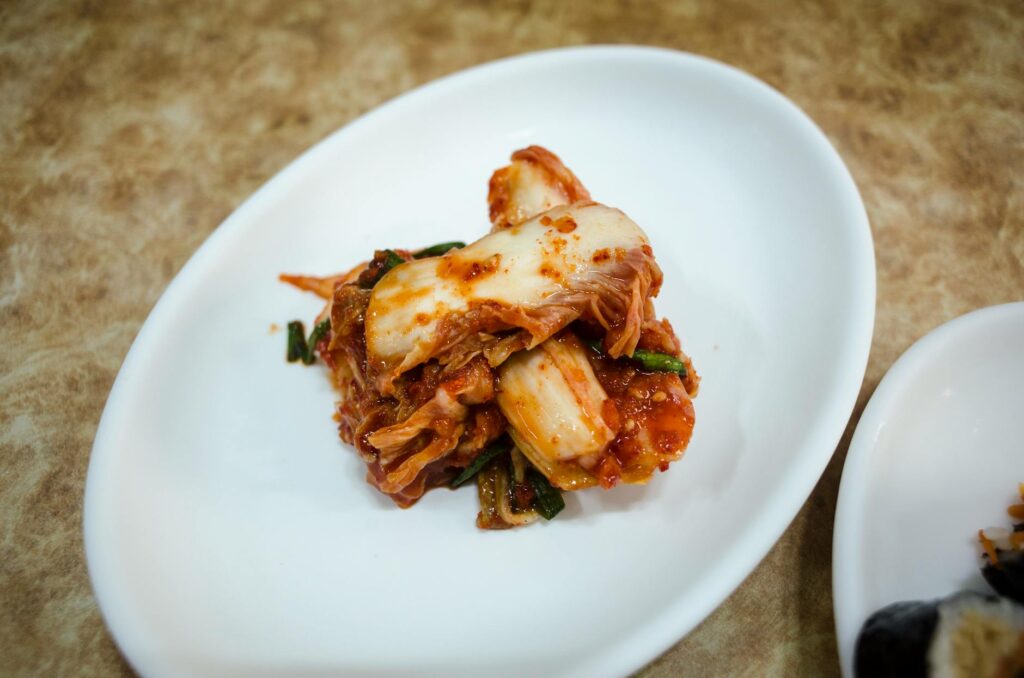
Common Uses for Kimchi
Introduction
Kimchi, a staple of Korean cuisine, is a fermented vegetable dish typically made with napa cabbage and Korean radishes, seasoned with a variety of spices and ingredients. Its unique flavor profile, which ranges from tangy and spicy to umami-rich, has garnered global attention, leading to its incorporation in various culinary applications. This article explores the diverse uses of kimchi, its origins, production processes, and much more.
What Are Uses?
In the culinary context, “uses” refer to the various ways an ingredient can be utilized in food preparation, presentation, and consumption. For kimchi, these uses extend beyond mere side dishes, as it can enhance flavors, contribute to nutritional balance, and serve as a base for more complex recipes. Understanding the multifaceted applications of kimchi allows culinary enthusiasts and professionals alike to appreciate its versatility.
History and Origins
Kimchi’s origins date back thousands of years to ancient Korea, where early forms of fermented vegetables were consumed to preserve food and enhance flavor. The process of fermentation became particularly important in the harsh winters, allowing for a reliable source of nutrition. Over centuries, the recipe evolved, incorporating various ingredients based on regional availability, cultural traditions, and changing tastes. Today, kimchi is considered a national dish of Korea, embodying the rich culinary heritage of the country.
Production and Processing
The production of kimchi involves several critical steps, including selection of ingredients, preparation, fermentation, and storage. The primary ingredient, napa cabbage, is typically salted to draw out moisture before being mixed with a blend of spices, such as gochugaru (Korean red pepper flakes), garlic, ginger, and fish sauce or fermented shrimp. This mixture is then packed tightly into jars or containers, allowing it to ferment at controlled temperatures.
The fermentation process can vary in duration, from a few days to several weeks, depending on desired flavor intensity and texture. This natural fermentation not only enhances the taste but also increases the nutritional value of the dish, making it rich in probiotics.
Quality and Grading
The quality of kimchi can greatly influence its taste, texture, and overall culinary applications. Factors of quality include ingredient freshness, fermentation time, and balance of flavors. High-quality kimchi should have a vibrant color, a well-rounded flavor profile, and an appealing aroma. Some regions in Korea have established grading systems that classify kimchi based on these characteristics, enabling consumers to choose the best option for their needs.
Buying Considerations
When purchasing kimchi, several factors should be taken into account:
1. Ingredients: Look for authentic ingredients without artificial preservatives or additives. Traditional recipes often yield the best flavor and nutritional benefits.
2. Fermentation Level: Depending on personal preference, choose kimchi that is either fresh (less fermented) for a crunchier texture or aged (more fermented) for a stronger, tangier flavor.
3. Packaging: Opt for vacuum-sealed containers or jars with airtight seals to ensure freshness.
4. Brand Reputation: Established brands often provide high-quality products, whereas local artisanal options may offer unique flavors and varieties.
5. Storage Instructions: Verify if the product requires refrigeration, as this affects its shelf life and flavor integrity.
Uses and Applications
Kimchi’s versatility makes it an excellent ingredient in various culinary applications:
1. Side Dish
Traditionally, kimchi is served as a banchan, or side dish, accompanying meals. Its robust flavor complements rice, grilled meats, and other dishes, providing a refreshing contrast.
2. Ingredient in Dishes
Kimchi can serve as a primary ingredient in various recipes, such as:
- Kimchi Fried Rice: A popular dish where leftover rice is stir-fried with kimchi, often enhanced with vegetables and proteins.
- Kimchi Stews and Soups: Varieties like kimchi jjigae are beloved for their hearty flavors, made by simmering kimchi with tofu, pork, or seafood.
- Pancakes: Kimchi can be incorporated into savory pancakes, adding flavor and texture.
- Tacos: Adding a spicy, tangy kick to traditional fillings.
- Burgers: Elevating flavor profiles and adding texture.
- Salads: Providing a unique, fermented flavor that enhances fresh greens.
- Kimchi Quesadillas: Where the traditional Mexican dish is enhanced with the bold flavors of kimchi.
- Kimchi Pizza: Offering a unique twist on a classic, with the tangy flavor of kimchi complementing cheese and other toppings.
3. Toppings
Kimchi works exceptionally well as a topping for various dishes, including:
4. Fusion Cuisine
As global culinary trends evolve, kimchi has found its way into fusion cuisine, appearing in diverse dishes like:
5. Snacks
Kimchi can also be enjoyed as a standalone snack, especially when paired with rice cakes or used as a dip. Its bold flavors make it a satisfying option for those looking for a savory treat.
6. Flavor Enhancer
In many cooking applications, kimchi can be used to enhance the overall flavor of a dish. Its fermented notes can add depth, umami, and complexity to sauces, marinades, and dressings.
Storage and Shelf Life
Proper storage is crucial for maintaining the quality and flavor of kimchi. Unopened jars can typically last several months in the refrigerator due to their fermentation process, which acts as a natural preservative. Once opened, kimchi should be consumed within a few weeks to ensure optimal flavor and texture.
It’s important to use a clean utensil each time you scoop out kimchi to avoid contamination. For long-term storage, some people opt to freeze kimchi, although this may alter its texture.