
Common Uses for Mango
Introduction
Mango, often referred to as the “king of fruits,” occupies a celebrated position in culinary traditions across the globe. With its sweet, succulent flesh and vibrant color, it not only tantalizes the palate but also serves a myriad of uses beyond mere consumption. This article delves into the multifaceted applications of mango, shedding light on its history, production, quality grading, and more.
What Is Uses?
In culinary and agricultural contexts, “uses” refer to the various applications and functions of an ingredient. For mango, these uses span from fresh consumption to processed forms employed in beverages, desserts, and even savory dishes. Understanding the diverse applications of mango not only enhances appreciation for this fruit but also aids in maximizing its potential in cooking and food preparation.
History and Origins
Mangoes have a rich history that dates back over 5,000 years, originating in South Asia, primarily in the regions of India, Bangladesh, and Myanmar. It is believed that mango cultivation began around 2000 BC. The fruit quickly spread to other parts of the world, including Southeast Asia, the Middle East, and eventually to Africa and the Americas during the age of exploration.
Throughout history, mango has held significant cultural importance. In Hindu mythology, the mango tree is considered sacred, symbolizing love and fertility. The fruit is often depicted in art and literature, further emphasizing its prominence in various cultures.
Production and Processing
Mango production is a significant agricultural enterprise in many tropical and subtropical regions. Major producers include India, China, Thailand, Indonesia, and Mexico. The fruit thrives in well-drained, fertile soil and requires a warm climate with ample sunlight for optimal growth.
Post-harvest, mangoes undergo various processing methods to extend their shelf life and enhance their usability:
- Fresh Consumption: Many mangoes are sold fresh in local and international markets.
- Drying: Dried mango slices are a popular snack, offering a concentrated flavor.
- Juicing: Mango juice is a staple in many beverages, providing a refreshing and nutritious option.
- Pureeing: Mango puree is often used in desserts, sauces, and smoothies, capitalizing on the fruit’s natural sweetness.
- Grade A: These mangoes are nearly flawless, with a vibrant color and firm texture. They are ideal for fresh consumption.
- Grade B: Slight blemishes or imperfections may be present, but their quality remains high. These are often used for processing.
- Grade C: These mangoes have more noticeable defects and are primarily utilized for industrial purposes, such as juicing or canning.
- Juices: Mango juice is enjoyed worldwide, served alone or blended with other fruits.
- Smoothies: The creamy texture of mango makes it an ideal base for smoothies, often combined with yogurt or other fruits.
- Cocktails: Mango puree or juice is frequently used in cocktails, adding a tropical flair to drinks.
- Ice Cream and Sorbet: The fruit’s natural sweetness and flavor make it a delightful choice for frozen treats.
- Puddings and Mousse: Mango puree can be incorporated into creamy desserts, offering a tropical twist.
- Salsas: Mango salsa, often combined with onions, peppers, and cilantro, adds a refreshing element to grilled meats and fish.
- Curries: In some cultures, mango is used in curries, imparting a sweet and tangy flavor that balances spiciness.
- Salads: Mango can be diced and added to salads, providing a burst of flavor and color.
- Unripe Mangoes: Store at room temperature until they ripen. Once ripe, they can be refrigerated to extend freshness.
- Ripe Mangoes: Place in the refrigerator to slow down ripening. They can last up to five days when stored this way.
- Dried Mangoes: Keep in a cool, dry place, ideally in an airtight container to prevent moisture absorption.
Quality and Grading
The quality of mangoes is assessed based on several factors, including size, color, firmness, and sugar content. Grading systems may vary by region, but generally, mangoes are categorized into three grades:
When purchasing mangoes, consumers should consider these grading standards to ensure they select the appropriate fruit for their intended use.
Buying Considerations
When selecting mangoes, several factors come into play:
1. Ripeness: Choose mangoes that yield slightly to pressure. A ripe mango should have a sweet aroma and a vibrant color.
2. Variety: Different mango varieties, such as Alphonso, Haden, and Kent, have distinct flavors and textures. Understanding these differences can aid in making a suitable choice.
3. Seasonality: Mangoes are typically in season during the warmer months, but availability may vary by region. Purchasing in season often ensures better flavor and lower prices.
4. Organic vs. Conventional: Organic mangoes are grown without synthetic pesticides or fertilizers. Consumers may prefer organic options for environmental or health reasons.
5. Local vs. Imported: Local mangoes may offer superior freshness, while imported varieties could provide different flavor profiles.
Uses and Applications
Mango’s versatility makes it a sought-after ingredient in various culinary applications. Here are some of the most common uses:
Fresh Consumption
The most straightforward use of mango is enjoying it fresh. Sliced or cubed, mango can be a refreshing snack or a delightful addition to fruit salads. Its natural sweetness pairs well with a variety of other fruits.
Beverages
Mango is a popular ingredient in beverages, including:
Desserts
Mango is a key ingredient in numerous desserts, such as:
Savory Dishes
Mango is not limited to sweet applications; it also shines in savory dishes:
Condiments and Sauces
Mango chutney is a traditional condiment in various cuisines, especially in Indian cooking. It pairs well with meats and is often used as a dipping sauce.
Dried and Dehydrated Forms
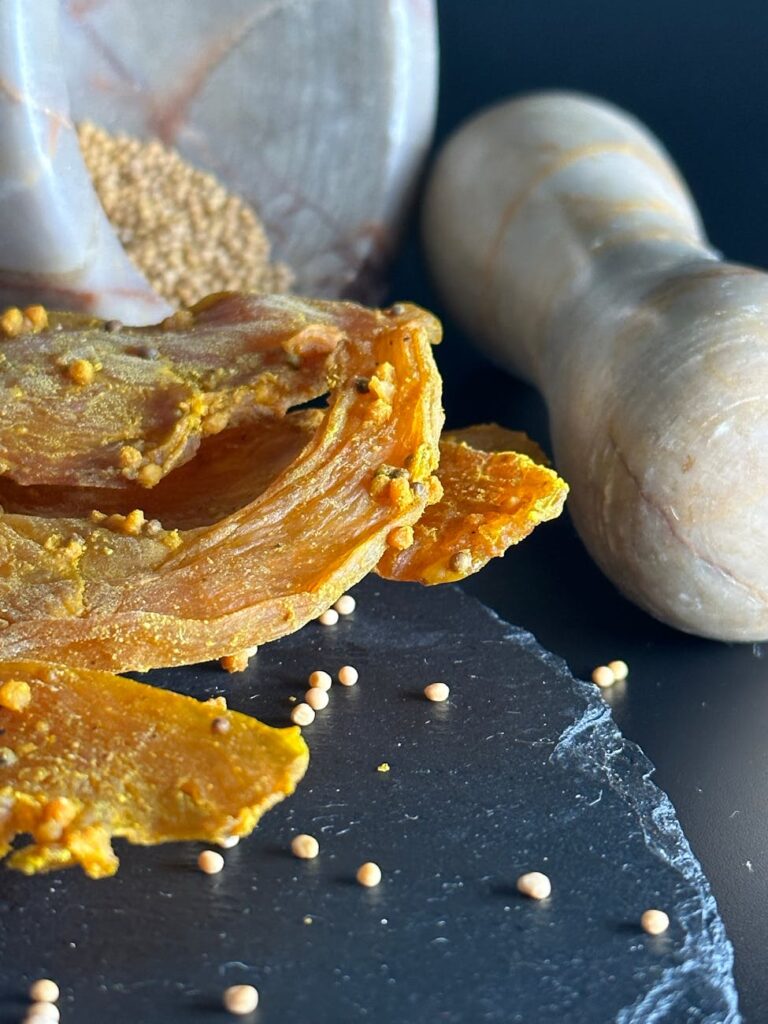
Dried mango has gained popularity as a nutritious snack, retaining the fruit’s sweetness and flavor. It is often used in trail mixes, granola bars, or eaten alone.
Cosmetics and Skincare
Beyond culinary uses, mango extract is utilized in cosmetics and skincare products due to its moisturizing and nourishing properties. Mango butter, derived from the seed, is commonly used in lotions and creams.
Storage and Shelf Life
Proper storage is essential for maintaining the quality of mangoes:
The shelf life of mangoes varies based on their ripeness at the time of purchase and the storage conditions.
Common Misconceptions
Despite its popularity, several misconceptions about mangoes persist:
1. All Mangoes Are the Same: There are hundreds of mango varieties, each with unique flavors, textures, and uses.
2. Mangoes Are Only for Sweet Dishes: While often used in desserts, mangoes are versatile and can enhance savory dishes as well.
3. Mangoes Are Unhealthy: Despite their sweetness, mangoes are nutrient-dense, offering vitamins A and C, fiber, and antioxidants.
4. Mangoes Should Be Refrigerated Immediately: Mangoes are best ripened at room temperature and should be refrigerated only after reaching peak ripeness.
Frequently Asked Questions
1. How do I tell if a mango is ripe?
A ripe mango will yield slightly to gentle pressure and emit a sweet aroma. The color may vary by variety, but a vibrant hue is generally a good indicator of ripeness.
2. Can mangoes be frozen?
Yes, mangoes can be frozen. It is advisable to peel and cut them into cubes before freezing. This method preserves their flavor and texture for later use.
3. What are the health benefits of mangoes?
Mangoes are rich in vitamins A and C, fiber, and antioxidants. They are low in calories and provide a refreshing, nutrient-dense option for snacking.
4. How can I incorporate mango into my diet?
Mango can be enjoyed fresh, added to smoothies, used in salads, or incorporated into savory dishes like salsas and curries. The possibilities are nearly endless.
5. Are there any varieties of mango that are better for cooking?
Some varieties, like Alphonso and Haden, are favored for their sweetness, while others, like Tommy Atkins, are more fibrous and better suited for salsas and chutneys.
6. Can mangoes be used in baking?
While not as common, mangoes can be incorporated into baked goods. Mango puree can add moisture and flavor to cakes, muffins, and breads.
In conclusion, mango is a versatile fruit with a rich history, diverse culinary applications, and a variety of uses that extend beyond the kitchen. Understanding its potential can elevate your culinary creations and deepen your appreciation for this beloved fruit.