
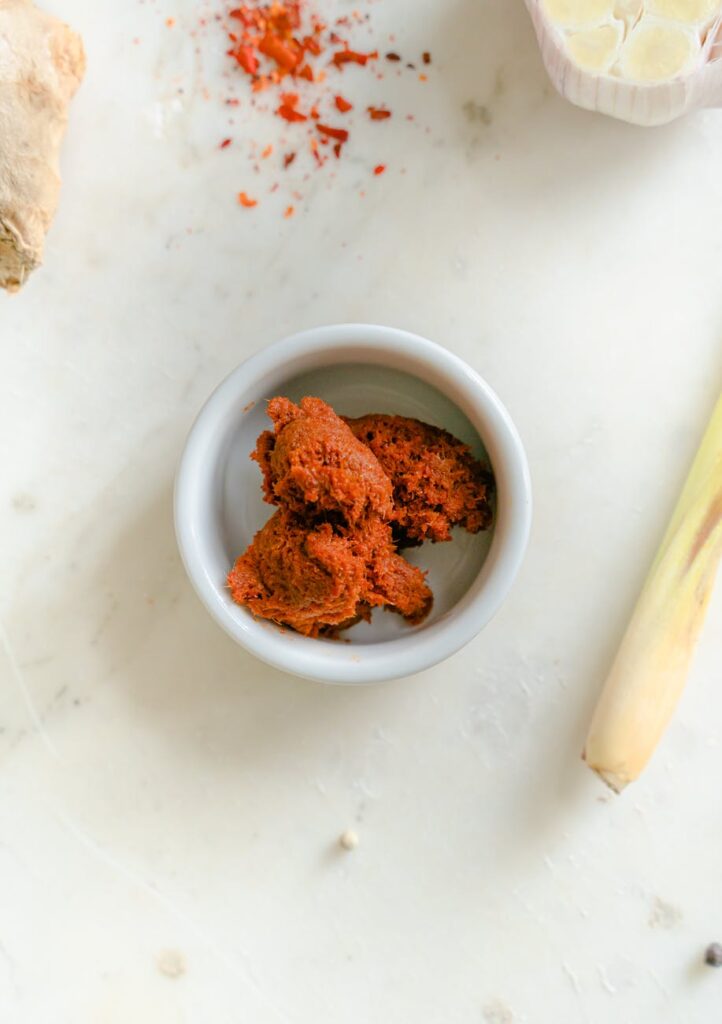
Common Uses for Miso
Introduction
Miso, a traditional Japanese fermented soybean paste, has gained global recognition for its unique flavor profile and versatility in culinary applications. With its rich umami taste and health benefits, miso has transcended its cultural origins and is now embraced in various cuisines worldwide. This article explores the myriad uses of miso, from traditional Japanese dishes to innovative modern applications, while also delving into its history, production, and storage considerations.
What Is Miso?
Miso is a fermented paste made primarily from soybeans, salt, and koji, a fungus that initiates the fermentation process. The fermentation can last from several months to several years, resulting in varying flavors, colors, and textures. The most common types of miso include:
- White Miso (Shiro Miso): Light in color and flavor, it is fermented for a shorter period and is slightly sweet.
- Red Miso (Aka Miso): Aged longer, red miso has a deeper, more robust flavor and a darker color.
- Mixed Miso (Awase Miso): A blend of white and red miso, offering a balanced flavor profile.
- Aroma: High-quality miso should have a pleasant, complex aroma that reflects its fermentation process.
- Flavor: It should exhibit a rich umami taste, with a balance between sweetness and saltiness, depending on the type.
- Texture: Miso can range from smooth to coarse, and the texture should be consistent without any off-putting lumps or separation.
Miso is not only a staple in Japanese cuisine but also serves as a versatile ingredient in a variety of culinary applications.
History and Origins
Miso’s origins can be traced back over a thousand years, with evidence suggesting that it was first developed in ancient China before making its way to Japan. By the 7th century, miso had become a fundamental part of Japanese culture and cuisine. Initially used as a preservative, its role evolved with the rise of Buddhism, which encouraged vegetarianism, leading to miso’s increased popularity as a protein source.
Over the centuries, regional variations emerged in Japan, each characterized by distinct flavors, ingredients, and production methods. Today, miso remains integral to Japanese culinary traditions, often consumed in soups, marinades, and dressings, but it has also found its way into international kitchens.
Production and Processing
The production of miso involves several key steps, starting with the selection of high-quality soybeans. These beans are soaked, steamed, and mixed with koji, which is cultivated by inoculating steamed soybeans or rice with the Aspergillus oryzae mold. This mixture is then combined with salt and allowed to ferment in a controlled environment.
The fermentation process is critical, as it develops the complex flavors and nutritional properties of miso. The duration of fermentation can vary significantly; white miso is typically fermented for a few months, while red miso may undergo fermentation for several years. This extended fermentation enhances the depth of flavor and nutritional content.
Quality and Grading
Quality miso is characterized by its aroma, flavor, and texture. The grading often depends on factors such as color, fermentation time, and the type of ingredients used. When assessing the quality of miso, consider the following attributes:
Consumers are encouraged to seek out artisanal brands that prioritize traditional production methods and use non-GMO soybeans.
Buying Considerations
When purchasing miso, there are several factors to consider:
1. Type of Miso: Choose based on your culinary needs—light miso for delicate dishes, dark miso for hearty applications.
2. Ingredients: Look for miso made with high-quality, organic ingredients, and check for additives or preservatives.
3. Origin: Some regions in Japan are renowned for specific types of miso, such as Sendai miso or Himo miso. Exploring these can enhance your culinary experience.
4. Storage: Miso should be stored in a cool, dark place. After opening, refrigeration is advisable to extend shelf life.
Uses and Applications
Miso is incredibly versatile, and its uses extend far beyond traditional soups. Here are some common applications:
Soups and Broths
Miso soup is perhaps the most recognized use of this ingredient. Combining miso with dashi (a Japanese stock) creates a flavorful broth that serves as a base for various ingredients, including tofu, seaweed, and vegetables. The soup can be enjoyed as a staple dish or as a comforting starter.
Marinades and Dressings
Miso’s robust umami flavor makes it an excellent base for marinades and dressings. It can be combined with ingredients like vinegar, citrus juice, or sesame oil to create a tangy dressing for salads or a marinade for proteins such as fish, chicken, or tofu. Its ability to tenderize meat while imparting flavor is particularly valued in culinary applications.
Sauces and Glazes
Miso can be transformed into rich sauces and glazes. Mixing miso with ingredients like honey, sake, or mirin produces a savory glaze that can enhance grilled or roasted vegetables, meats, or seafood. This versatility allows chefs to create unique flavor profiles that add depth to various dishes.
Baked Goods
In recent years, chefs have begun to incorporate miso into baked goods, such as cookies and cakes. The addition of miso can create an intriguing flavor contrast, enhancing the sweetness of desserts while adding a savory note. This innovative use of miso exemplifies its adaptability in modern culinary practices.
Fermented Foods
Miso can also be used in the fermentation of other foods. Incorporating it into pickling brines or using it as a starter for fermenting vegetables adds complexity and depth to the final products. This application not only enhances flavor but