
Common Uses for Miso Paste
Introduction
Miso paste, a staple in Japanese cuisine, has gained global recognition for its complex flavor profile and versatility. This fermented soybean product is not only a culinary delight but also a rich source of nutrients. Its unique umami taste enhances various dishes, making it a valuable ingredient in both traditional and contemporary cooking. This article delves into the multifaceted uses of miso paste, exploring its history, production, applications, and more.
What Is Miso Paste?
Miso paste is a thick, fermented soybean product that is integral to Japanese cooking. It is made from soybeans, salt, and a fermenting agent known as koji, which is derived from the fungus Aspergillus oryzae. The resulting paste is rich in flavor, with a wide range of varieties differing in taste, color, and texture, depending on the ingredients used and the fermentation process. Miso is often categorized into three primary types: white (shiro), yellow (shinshu), and red (aka), each offering distinct flavor profiles that can complement various dishes.
History and Origins
The origins of miso paste can be traced back over a thousand years to ancient China, where it was known as “jiang.” It was introduced to Japan during the Nara period (710-794 AD) and quickly became a staple in Japanese households. Miso was originally used as a preservation method, allowing for the long-term storage of protein sources. Over the centuries, miso evolved, with regional variations emerging based on local ingredients and traditions. Today, it is celebrated not only for its historical significance but also for its role in modern cuisine worldwide.
Production and Processing
The production of miso paste involves several key steps: soaking and cooking soybeans, inoculating them with koji, fermenting the mixture, and finally, grinding it into a paste. The fermentation process can vary in duration, from a few weeks to several years, depending on the desired flavor and texture. The length of fermentation significantly impacts the final product’s taste, with longer fermentation times yielding a deeper, more complex flavor.
Quality miso is made using high-quality soybeans and minimal additives. Some producers may include additional ingredients, such as rice or barley, to create different flavor profiles. The craftsmanship involved in traditional miso production is revered, with some artisanal producers adhering to methods passed down through generations.
Quality and Grading
When selecting miso paste, quality is paramount. High-quality miso is typically made from organic soybeans and natural ingredients without preservatives or artificial flavor enhancers. Miso is often graded based on its fermentation time, flavor intensity, and color. Light-colored miso, such as white or yellow, tends to have a milder flavor, while darker varieties like red miso offer a robust, salty taste.
Consumers should look for miso paste that is kept in refrigerated sections, as this indicates it has not been subjected to high heat, which can degrade its nutritional properties. Additionally, inspecting the ingredients list for the presence of artificial additives can help ensure the quality of the product.
Buying Considerations
When purchasing miso paste, several factors should be considered to ensure you select the right product for your culinary needs:
1. Type of Miso: Determine which type of miso aligns with your intended use. White miso is excellent for lighter dishes, whereas red miso is suited for hearty stews.
2. Fermentation Time: Longer fermentation typically results in a stronger flavor. Assess how intense you want the miso’s taste to be in your dishes.
3. Brand Reputation: Opt for reputable brands known for their quality and authenticity. Artisanal producers often offer unique flavors that mass-produced varieties may lack.
4. Ingredient Transparency: Look for miso made from organic soybeans and without artificial preservatives.
5. Storage Requirements: Check if the product requires refrigeration and its recommended shelf life.
Uses and Applications
Miso paste’s versatility extends beyond traditional Japanese dishes, finding its way into various global cuisines. Here are some common uses and applications:
1. Soup Base
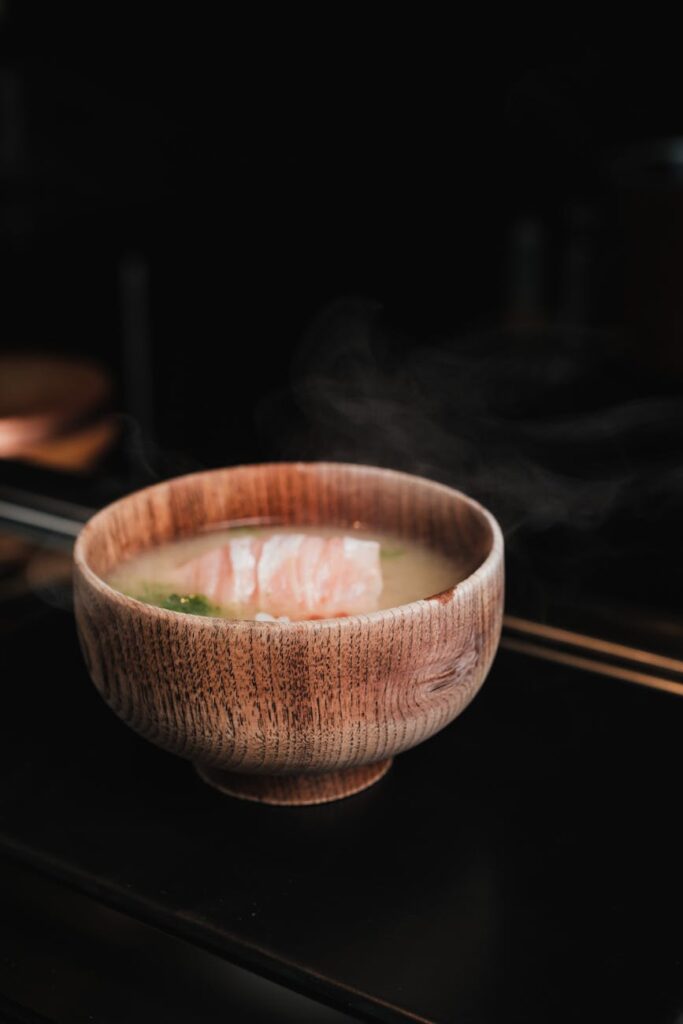
Miso soup is perhaps the most famous application of miso paste. This traditional Japanese dish serves as a comforting broth, often garnished with tofu, seaweed, and green onions. The paste dissolves easily in hot water, creating a savory base that can be customized with various ingredients.
2. Marinades and Glazes
Miso paste serves as an excellent marinade for proteins, enhancing the flavor and tenderness of meats, fish, and vegetables. The paste can be mixed with other ingredients like sake, mirin, or sesame oil to create a rich glaze that caramelizes beautifully when grilled or roasted.
3. Salad Dressings
Incorporating miso into salad dressings adds depth and umami, transforming ordinary greens into a flavorful dish. It pairs well with ingredients like rice vinegar, olive oil, and citrus juices, creating a creamy and tangy dressing that complements various salads.
4. Sauces
Miso can enhance sauces for pasta, stir-fries, and dipping sauces. Whether it’s a miso-infused tahini sauce or a savory glaze for roasted vegetables, its unique flavor can elevate a wide range of dishes.
5. Fermented Beverages
Miso can also be used to create fermented beverages, such as miso-based cocktails or smoothies. Its probiotic qualities contribute to digestive health, making it a popular choice for those seeking to incorporate fermented foods into their diets.
6. Vegan and Vegetarian Dishes
Miso is an invaluable ingredient for vegan and vegetarian cooking. Its umami flavor can mimic the taste of meat, making it ideal for plant-based dishes that require depth and richness. Miso can be used in stews, curries, and even desserts to enhance flavor.
7. Baked Goods
Surprisingly, miso can be incorporated into baked goods, adding a unique twist to cookies, cakes, and breads. Its salty-sweet profile can complement flavors like chocolate or caramel, resulting in a complex dessert experience.
Storage and Shelf Life
Miso paste should be stored in an airtight container in the refrigerator to maintain its freshness and flavor. If kept properly, miso can last for several months to a year, depending on the type and fermentation.
It’s essential to check for any off-odors, discoloration, or mold before use, as these can indicate spoilage. While miso does not spoil in the conventional sense, its quality may diminish over time, affecting flavor and texture.
Common Misconceptions
Despite its popularity, several misconceptions about miso paste persist:
1. Miso is Just a Soup Base: While miso soup is a well-known dish, miso paste has countless applications in various cuisines.
2. All Miso Tastes the Same: The flavor of miso can vary significantly depending on the ingredients and fermentation process, leading to a vast array of taste profiles.
3. Miso is Unhealthy: While miso is high in sodium, it also contains beneficial probiotics and nutrients. Moderation is key, and it can be part of a balanced diet.
4. Miso is Only for Japanese Cuisine: Miso’s versatility allows it to be used in a wide array of global dishes, making it a valuable ingredient for chefs and home cooks alike.
5. Miso is Difficult to Use: Miso is relatively easy to incorporate into various recipes, and its flavor can enhance even the simplest of dishes.
Frequently Asked Questions
1. Can I use miso paste in place of salt?
Yes, miso paste can be used as a flavorful alternative to salt in many recipes, but be mindful of the overall saltiness of the dish.
2. Is miso gluten-free?
Traditional miso made from soybeans is gluten-free; however, some varieties may contain barley or other gluten-containing grains. Always check the label for gluten-free certification if you have dietary restrictions.
3. How long does miso paste last?
When stored properly in the refrigerator, miso paste can last several months to a year. Check for signs of spoilage before use.
4. Can I freeze miso paste?
Yes, miso can be frozen for extended storage. It’s best to portion it into small containers for easy use later.
5. How should miso be incorporated into cooking?
Miso is best added at the end of cooking to preserve its flavor and probiotics. Avoid boiling it directly, as high heat can diminish its taste and health benefits.
6. Are there vegetarian or vegan miso options?
Yes, many miso varieties are suitable for vegetarians and vegans. However, always check the ingredients to ensure no animal products are included.
Miso paste is a remarkable ingredient with a rich history and diverse applications, making it a staple in both traditional and modern kitchens. Its ability to enhance flavors and contribute to a balanced diet ensures its place in culinary practices worldwide.