
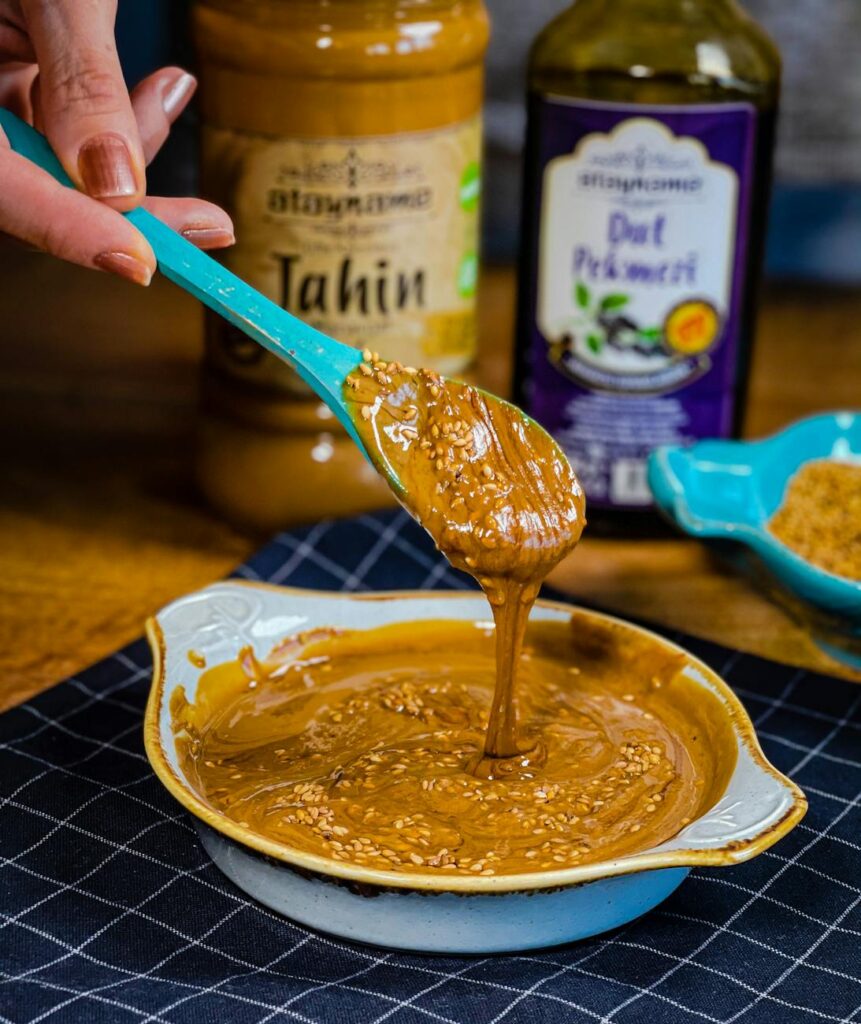
Common Uses for Miso Tahini
Introduction
Miso tahini is a unique ingredient that merges the rich, umami flavors of miso with the creamy, nutty characteristics of tahini. This fusion not only broadens culinary possibilities but also enhances the nutritional profile of dishes. As a versatile ingredient, miso tahini can be incorporated into a variety of cuisines and applications. This article explores the diverse uses of miso tahini, its historical context, production processes, and more.
What Is Miso Tahini?
Miso tahini is a condiment made by combining miso paste, a traditional Japanese ingredient produced from fermented soybeans, with tahini, a paste made from ground sesame seeds. The result is a creamy, flavorful spread or dressing that brings together the depth of miso’s fermented taste and the nutty richness of tahini. This combination not only adds complexity to dishes but also provides a unique blend of nutrients, offering both protein and healthy fats.
History and Origins
The origins of miso can be traced back to ancient China around 300 B.C., where it was initially made from fermented grains. It later made its way to Japan, where it evolved into various forms, with soybean miso becoming the most popular. Miso’s role in Japanese cuisine is significant, often used in soups, marinades, and dressings.
Tahini, on the other hand, has Middle Eastern roots, with its use dating back thousands of years. It is a staple in Mediterranean and Middle Eastern cuisines, primarily known for its role in dishes like hummus and baba ghanoush. The blending of these two distinct culinary traditions into miso tahini reflects a growing trend of cross-cultural cooking, showcasing the adaptability of ingredients across global cuisines.
Production and Processing
The production of miso tahini begins with its individual components. Miso is made by fermenting soybeans with salt and a specific mold called Koji. This fermentation process can take from a few weeks to several years, resulting in different flavor profiles ranging from sweet to savory.
Tahini production involves grinding toasted sesame seeds into a smooth paste. The quality of tahini can vary significantly based on the type of sesame seeds used, the toasting process, and the grinding method. When combined, these two ingredients create a balanced condiment that can be utilized in numerous culinary applications.
Quality and Grading
The quality of miso tahini can be assessed based on several factors, including flavor, texture, and ingredient sourcing. High-quality miso should have a well-rounded flavor profile, with the ideal balance between sweetness and saltiness. Similarly, tahini should be creamy and smooth, with a rich sesame flavor.
When purchasing miso tahini, it is essential to check for any additives or preservatives, as authentic products will typically contain only the basic ingredients: miso and tahini. Organic options are often preferred, as they ensure that the ingredients are free from harmful pesticides and chemicals.
Buying Considerations
When purchasing miso tahini, consider the following aspects:
1. Ingredient Quality: Look for products that list organic miso and tahini without additional fillers or preservatives.
2. Flavor Profile: Different brands may offer various miso types, including white, yellow, or red miso, each contributing distinct flavors. Choose according to your taste preferences.
3. Texture: The consistency should be smooth and creamy. Avoid products that appear grainy or overly thick.
4. Packaging: Opt for jars or containers that protect the contents from light and air, which can degrade the quality over time.
5. Sourcing: Consider brands that prioritize sustainable sourcing practices, particularly for sesame seeds and soybeans.
Uses and Applications
Miso tahini is incredibly versatile and can be used in various culinary contexts:
1. Salad Dressings
Miso tahini can serve as a base for creamy salad dressings. Its rich flavor enhances the overall taste of salads, offering a savory note that pairs well with fresh vegetables. Simply whisk it with a little water, lemon juice, and olive oil for a quick dressing.
2. Dips and Spreads
As a dip, miso tahini can be an excellent alternative to traditional hummus. It pairs beautifully with raw vegetables, crackers, or bread. The umami flavor of miso complements the nuttiness of tahini, creating a unique taste experience.
3. Marinades
In marinades, miso tahini can impart depth and complexity to proteins such as tofu, chicken, or fish. Its fermentation adds a layer of flavor that enhances the overall dish. When combined with garlic, ginger, and citrus, it becomes an excellent marinade.
4. Sauces
Miso tahini can be used to create rich sauces for drizzling over grain bowls, roasted vegetables, or grilled meats. Its creamy texture allows for easy blending with other ingredients like soy sauce, rice vinegar, or chili paste.
5. Soups and Stews
Adding miso tahini to soups and stews can enrich the broth, providing depth and enhancing the umami notes. It works particularly well in vegetable-based soups, lending a creamy texture and complex flavor.
6. Baking
In baking, miso tahini can be incorporated into various sweet or savory recipes. Its unique flavor can enhance cookies, cakes, and breads, providing a subtle yet intriguing twist.
7. Pasta
Miso tahini can be used as a sauce for pasta, offering a creamy, savory coating that complements a variety of ingredients, from vegetables to proteins. It can be thinned with pasta water for a light, flavorful dish.
8. Smoothies
For a nutritional boost, miso tahini can be blended into smoothies. Its creamy texture enhances the drink, while the miso adds beneficial probiotics.