
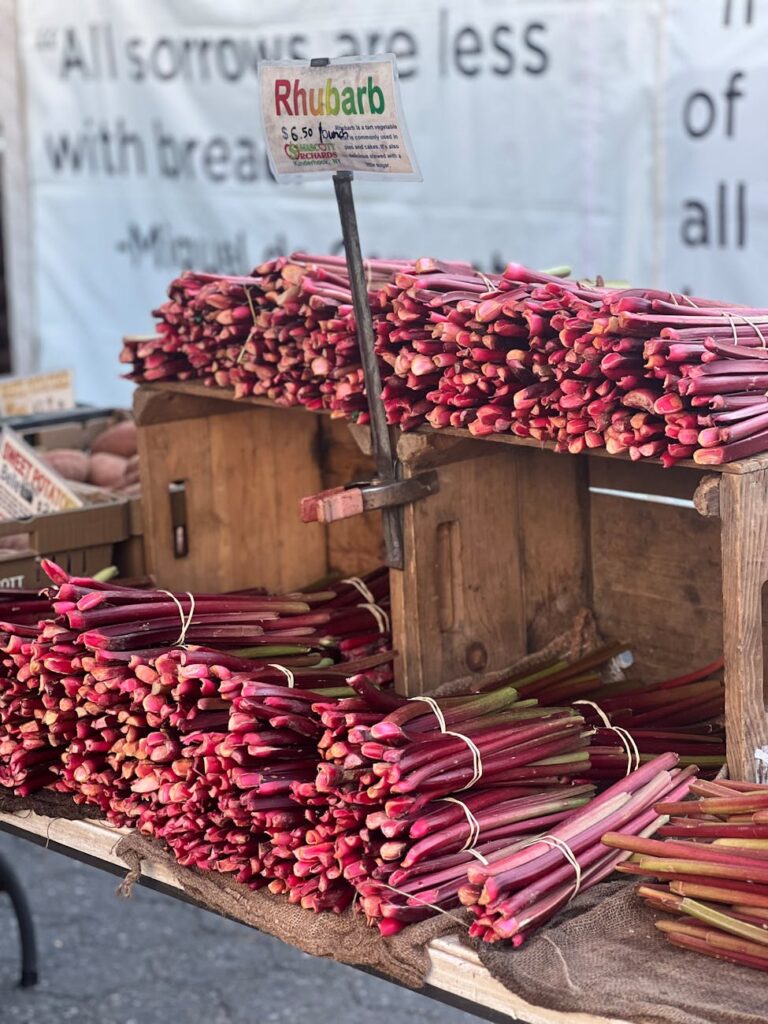
Common Uses for Rhubarb
Introduction
Rhubarb, often considered a vegetable but frequently treated as a fruit, has a unique place in culinary traditions around the world. Its tart flavor and vibrant color make it a popular ingredient in various dishes, from desserts to savory applications. This article explores the multifaceted uses of rhubarb, delving into its history, production, quality considerations, and its diverse applications in cooking and beyond.
What Is Uses?
In the context of food ingredients, “uses” refers to the various applications and functions that an ingredient can serve in culinary practices and food preparation. For rhubarb, its uses are primarily centered around its flavor profile, nutritional benefits, and versatility in both sweet and savory dishes. Understanding these uses allows cooks, chefs, and food enthusiasts to maximize the potential of this unique ingredient.
History and Origins
Rhubarb has a long and storied history that traces back to ancient civilizations. Originally cultivated in China for medicinal purposes around 2700 BCE, it was valued for its roots, which were believed to possess various health benefits. The plant made its way to Europe via trade routes, where it gained popularity in cooking by the 16th century. By the 18th century, rhubarb was firmly established in Western culinary traditions, especially in Britain and North America.
In Europe, particularly in England, rhubarb became synonymous with springtime desserts. The British even nicknamed it “the pie plant” due to its prominent role in pies and crumbles. Today, rhubarb is cultivated in various regions worldwide, with notable production hubs in the United States, Canada, and the United Kingdom.
Production and Processing
Rhubarb thrives in temperate climates and is typically harvested in spring and early summer. The plant grows from thick stalks that can reach up to 2 feet in length. The vibrant green or reddish stalks are the edible parts of the plant, while the leaves are toxic due to high levels of oxalic acid. Harvesting involves cutting the stalks at the base, ensuring that the plant continues to grow for subsequent harvests.
Once harvested, rhubarb can be processed in several ways. Fresh stalks are often sold in bunches, while some producers may opt to freeze or preserve rhubarb for year-round use. Canning and making rhubarb compote are common practices that extend its shelf life and make it accessible outside of the growing season.
Quality and Grading
Quality is a crucial aspect when selecting rhubarb, as the flavor and texture can vary significantly based on its freshness and ripeness. High-quality rhubarb should have firm, crisp stalks with a vibrant color, whether green or red. The leaves should be discarded due to their toxicity, and any signs of wilting or browning indicate that the rhubarb is past its prime.
Grading systems for rhubarb are not universally standardized, but many suppliers assess it based on size, color, and overall firmness. Premium grades are sought after in culinary applications, while lower grades may be used in processed products where the appearance is less critical.
Buying Considerations
When purchasing rhubarb, whether at a farmers’ market or a grocery store, several factors should be taken into account:
1. Seasonality: Fresh rhubarb is typically available from late spring to early summer. Out-of-season rhubarb may be found frozen or canned, but fresh is preferred for its superior flavor and texture.
2. Varietal Differences: There are several varieties of rhubarb, including the well-known ‘Crimson Red’ and ‘Victoria’ types. Each has its own flavor profile and uses, so consider what you intend to make.
3. Source: Locally grown rhubarb is often fresher and more flavorful than imported options. Supporting local farmers can also contribute to sustainable agricultural practices.
4. Storage Conditions: Check for any signs of spoilage and ensure that the stalks are stored properly in a cool, dry place.
Uses and Applications
Rhubarb’s versatility in the kitchen is one of its most appealing characteristics. It can be utilized in various culinary applications, ranging from traditional to innovative. Here are some common uses:
1. Desserts
Rhubarb is most famously known for its role in desserts. The tartness of rhubarb contrasts beautifully with sweet ingredients, making it a popular choice for pies, crumbles, and tarts. Its natural acidity helps balance rich flavors, and it can be combined with other fruits like strawberries for a harmonious blend.
2. Jams and Preserves
Rhubarb can be transformed into delicious jams and preserves. The high pectin content in rhubarb facilitates the gelling process, making it ideal for spreading on toast or using as a filling for pastries.
3. Sauces and Compotes
Rhubarb can be cooked down into a sauce or compote, often sweetened with sugar or honey. This versatile condiment can accompany a variety of dishes, from breakfast items like pancakes to savory proteins like pork or duck.
4. Savory Dishes
Although less common, rhubarb can be used in savory dishes. Its tart flavor makes it an interesting component in salads, salsas, and even as a component in marinades. The acidity of rhubarb can elevate the flavors of roasted meats or grilled vegetables.
5. Beverages
Rhubarb has found its way into beverages as well. It can be used to make refreshing drinks like rhubarb lemonade, cocktails, and even flavored teas. Its vibrant color and tangy flavor add an appealing twist to beverages.
6. Pickling
Rhubarb can also be pickled, offering a unique twist on traditional pickling recipes. Pickled rhubarb can serve as a tang