
Common Uses for Savoy Cabbage
Introduction
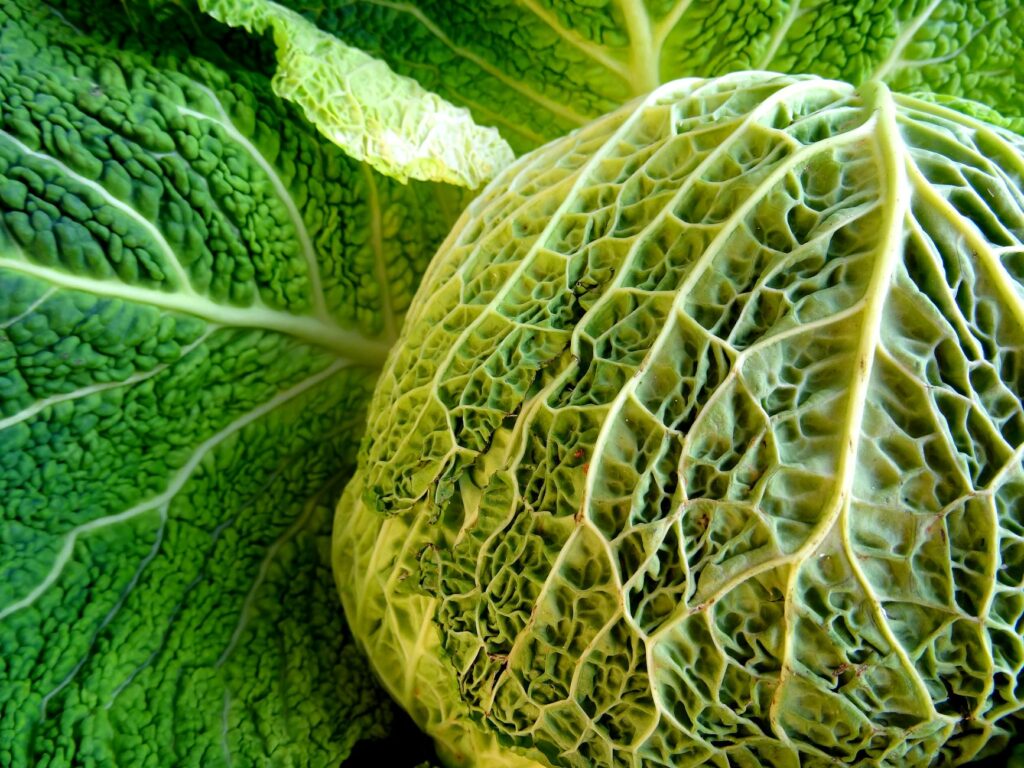
Savoy cabbage, known for its crinkled leaves and mild flavor, is a versatile leafy green that has gained popularity in various cuisines around the world. With its unique texture and nutritional profile, it serves both aesthetic and functional purposes in culinary applications. This article delves into the myriad uses of Savoy cabbage, exploring its historical significance, production methods, quality grading, and practical applications in the kitchen.
What Are Uses?
In the context of food ingredients, “uses” refer to the various ways an ingredient can be utilized in cooking, food preparation, and other culinary applications. This encompasses not only the ways an ingredient is incorporated into dishes but also its role in nutrition, flavor enhancement, and presentation. For Savoy cabbage, its uses extend beyond simple consumption; they include its contributions to various cuisines, its adaptability in modern cooking, and its nutritional benefits.
History and Origins
Savoy cabbage is believed to have originated in the Mediterranean region, with its cultivation dating back to the Middle Ages. Historical records suggest that this leafy vegetable was particularly popular in France and Italy, where it was often used in traditional dishes. The name “Savoy” is derived from the Savoy region of France, where this variety of cabbage was particularly cultivated. Over the centuries, Savoy cabbage has adapted to various climates, leading to its cultivation in diverse regions across Europe, Asia, and North America. Its historical significance as a staple food and its role in peasant diets highlight its enduring presence in global culinary traditions.
Production and Processing
The cultivation of Savoy cabbage involves a series of careful agricultural practices. It thrives in cool climates and is typically grown from seeds sown in early spring or late summer. The growing period spans approximately 70 to 90 days, during which the plants require well-drained soil and adequate moisture. The leaves of Savoy cabbage are harvested when they are tender and vibrant, often before the head becomes fully mature.
Once harvested, Savoy cabbage undergoes minimal processing to preserve its freshness and nutritional value. It is typically washed, trimmed, and packaged for distribution. In some cases, it may be blanched before freezing to extend its shelf life. Savoy cabbage is a popular choice in organic farming, as it is less susceptible to pests and diseases than other varieties of cabbage.
Quality and Grading
When purchasing Savoy cabbage, quality and grading are crucial factors to consider. High-quality Savoy cabbage should exhibit vibrant green leaves with a crinkled texture. The leaves should be firm, crisp, and free from blemishes or discoloration. A well-formed head should be dense and heavy for its size, indicating freshness.
Grading systems often categorize Savoy cabbage based on size, weight, and overall appearance. In commercial markets, “U.S. No. 1” is a common grading standard, indicating that the cabbage meets specific quality criteria. Consumers should be aware of these grading systems to ensure they are selecting the freshest and most flavorful cabbage available.
Buying Considerations
When purchasing Savoy cabbage, several considerations can help ensure optimal quality and freshness. First, look for heads that are dense and heavy, with tightly packed leaves. Fresh Savoy cabbage should have a bright green color; dull or yellowing leaves may indicate age or spoilage.
Additionally, consider the seasonality of Savoy cabbage. Typically, it is at its peak from late fall through early spring. Buying during this time can enhance the chances of obtaining fresh produce. If purchasing pre-packaged cabbage, check the packaging date to ensure it has not been stored for an extended period.
Lastly, local farmers’ markets can be an excellent source for fresh Savoy cabbage, as they often provide produce that has been harvested recently, ensuring superior flavor and quality.
Uses and Applications
Savoy cabbage has a diverse range of uses in culinary applications due to its unique texture and flavor profile:
1. Salads and Slaws
Savoy cabbage can be finely shredded and used as a base for salads or coleslaws. Its crinkly leaves add visual appeal and a pleasing crunch. The mild flavor makes it an excellent choice for pairing with dressings, allowing it to absorb flavors without overpowering other ingredients.
2. Sautéing and Stir-Frying
When sautéed or stir-fried, Savoy cabbage retains its crispness while developing a slightly sweet flavor. It can be combined with proteins such as chicken, beef, or tofu to create a balanced dish. The cabbage’s ability to absorb flavors from sauces makes it an ideal component in Asian-inspired dishes.
3. Braising and Stewing
Savoy cabbage is often used in braised dishes and stews, where it becomes tender and flavorful. The cooking process allows the cabbage to soak up the essence of the broth or sauce, enriching the overall taste of the dish. It pairs well with hearty ingredients such as potatoes, carrots, and various meats.
4. Stuffing and Rolls
The tender leaves of Savoy cabbage can be easily removed and used for wrapping fillings, making them a great option for stuffed dishes. Stuffed cabbage rolls, filled with rice, meat, or vegetables, are a classic dish in many cultures. The pliability of Savoy cabbage leaves makes them easier to work with compared to other cabbage varieties.
5. Soups and Broths
Savoy cabbage can be added to soups and broths for additional texture and nutrition. It holds up well during cooking and can be combined with a variety of vegetables, grains, and proteins to create hearty, flavorful soups. Its mild taste complements both light and rich broths.
6. Fermentation
Savoy cabbage is suitable for fermentation, a process that enhances its nutritional profile and flavor. It can be used in making sauerkraut or kimchi, providing a unique taste and probiotic benefits