
Common Uses for Tarragon
Introduction
Tarragon, an aromatic herb belonging to the sunflower family, is renowned for its distinctive flavor, characterized by a subtle anise-like taste. This herb is a staple in various culinary traditions, particularly within French cuisine, and it is valued not only for its culinary applications but also for its historical significance and versatility. This article delves into the many uses of tarragon, exploring its origins, production, and various applications in food preparation and beyond.
What Is Uses?
The term “uses” refers to the various applications and functionalities of an ingredient in different contexts. For tarragon, these uses extend beyond mere seasoning in dishes. They encompass culinary applications, beverage enhancements, and its role in food preservation, among other things. Understanding these uses allows culinary enthusiasts and professionals alike to fully appreciate the potential of tarragon in enhancing flavors and elevating dishes.
History and Origins
Tarragon, known scientifically as Artemisia dracunculus, boasts a rich history that dates back to ancient civilizations. It is believed to have originated in Central Asia, specifically in regions that are now part of Mongolia and Siberia. From there, it spread to Europe, where it became a staple herb in French cooking by the Middle Ages. Historical records indicate that the herb was used both for culinary and medicinal purposes, often associated with various folk remedies.
During the Renaissance, tarragon was introduced to the culinary practices of France, where it earned a prominent place in various classic sauces, most notably Béarnaise sauce. The French version of tarragon, known as Tarragon de France or estragon, is characterized by its rich flavor profile, making it a favored herb among chefs.
Production and Processing
Tarragon is cultivated globally, with significant production in Europe, particularly in France, where the climate is favorable for its growth. The herb thrives in well-drained soil and requires a sunny environment to flourish. Farmers typically propagate tarragon through cuttings, as the seeds have a low germination rate. Once harvested, tarragon can be used fresh, dried, or even infused into oils and vinegars.
Processing tarragon involves careful handling to preserve its potent flavor. Fresh tarragon is often washed and sorted before being packaged for sale, while dried tarragon may undergo blanching to enhance its color and aroma. Despite the drying process, the herb’s distinctive taste remains, although it is generally more potent in its fresh state.
Quality and Grading
The quality of tarragon can significantly impact its culinary applications. High-quality tarragon should possess vibrant green leaves and a strong, aromatic scent. When purchasing dried tarragon, it is essential to look for a product that retains its color and aroma, as fading can indicate age or improper storage.
Grading often considers factors such as leaf size, color, aroma, and moisture content. Fresh tarragon should be lush and firm, while dried tarragon should be finely crumbled, with a strong, pungent scent. The absence of contaminants and proper labeling are also essential for quality assurance.
Buying Considerations
When purchasing tarragon, there are several factors to consider to ensure you select the best product for your needs:
1. Fresh vs. Dried: Depending on your intended use, you may prefer fresh tarragon for its vibrant flavor or dried tarragon for convenience and longer shelf life.
2. Source: Opt for organic tarragon whenever possible to avoid exposure to pesticides and other chemicals.
3. Form: Tarragon is available in several forms, including whole leaves, chopped, or as a powdered spice. Choose the form that best suits your culinary needs.
4. Packaging: Ensure that the packaging is intact and properly sealed to maintain freshness. For dried tarragon, check for opaque containers that protect against light and moisture.
5. Seasonality: Fresh tarragon is typically available in spring and summer. If you seek the freshest product, consider purchasing during these seasons.
Uses and Applications
Tarragon’s versatility in the kitchen makes it a favorite among chefs and home cooks alike. Here are some of its most common uses:
Culinary Applications
1. Flavoring Agents: Tarragon’s unique flavor profile makes it an excellent addition to sauces, marinades, and dressings. It is particularly well-known for its role in Béarnaise sauce, which pairs beautifully with meats and vegetables.
2. Herb Blends: Tarragon is often included in herb blends such as fines herbes, a classic French mixture that also features parsley, chives, and chervil.
3. Seasoning for Proteins: The herb complements chicken, fish, and lamb, enhancing the overall flavor of the dish. It can be used in both cooking and as a garnish.
4. Vegetable Dishes: Tarragon pairs well with a variety of vegetables, particularly those with earthy flavors like potatoes, carrots, and asparagus. It can be used in sautéing or as a fresh garnish.
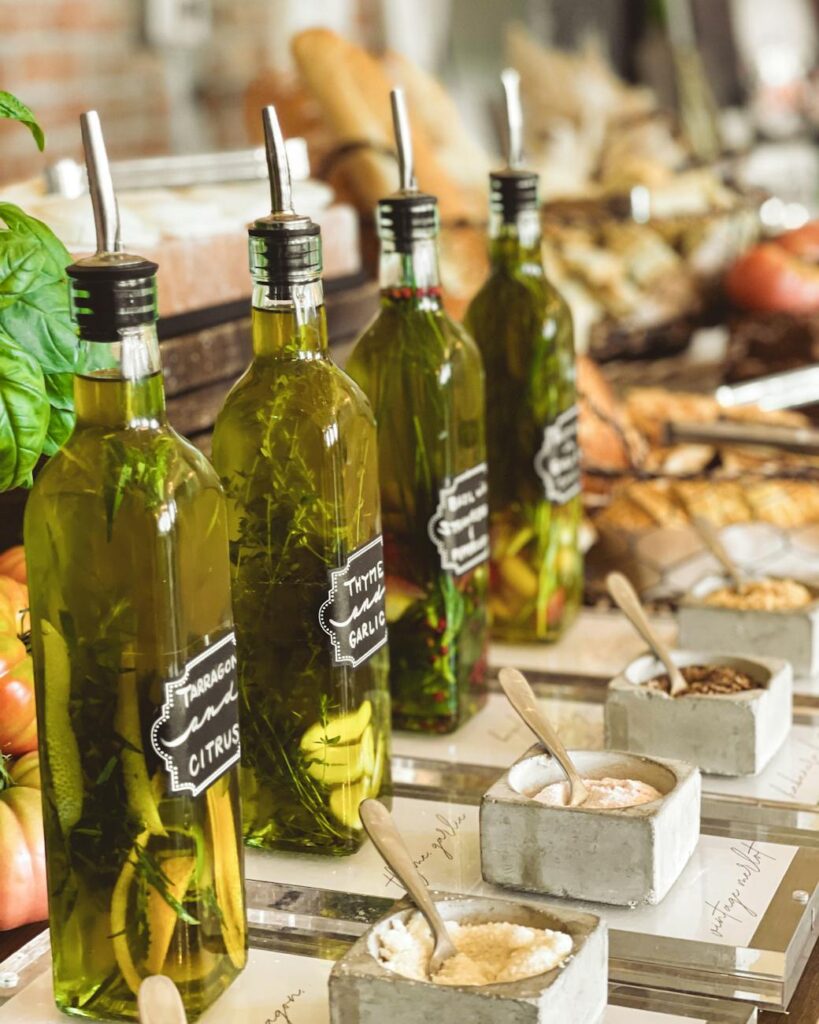
5. Infusions: Tarragon is often used to infuse oils and vinegars, creating flavorful condiments that can elevate salads and other dishes. Tarragon-infused vinegar is a delightful addition to dressings and marinades.
Beverage Enhancements
Tarragon is not limited to savory dishes; it can also enhance beverages. Its unique flavor can be infused into cocktails, teas, and even syrups. The herb’s aromatic qualities make it a fascinating ingredient in modern mixology, adding a twist to classic drinks.
Preservation
Some culinary traditions employ tarragon for food preservation. The herb’s natural antimicrobial properties contribute to enhancing the shelf life of certain foods, particularly in pickling processes.
Storage and Shelf Life
Proper storage is crucial for maintaining the quality of tarragon. Here are some guidelines:
Fresh Tarragon
- Refrigeration: Store fresh tarragon in the refrigerator, wrapped in a damp paper towel and placed in a plastic bag. This method can extend its shelf life up to two weeks.
- Water Method: Alternatively, place fresh tarragon stems in a glass of water, cover them loosely with a plastic bag, and store them in the refrigerator. This method can help retain freshness for longer.
- Cool, Dark Place: Store dried tarragon in an airtight container in a cool, dark place to prevent degradation of flavor and aroma.
- Shelf Life: Dried tarragon typically has a shelf life of 1-3 years, although its potency may diminish over time.
Dried Tarragon
Common Misconceptions
Despite its popularity, several misconceptions surround tarragon:
1. Substitutes: While some may suggest substituting tarragon with anise or fennel, the unique flavor profile of tarragon is irreplaceable. Each herb has distinct characteristics that contribute differently to dishes.
2. Cooking Methods: A common belief is that tarragon loses its flavor when cooked. While prolonged cooking can diminish its potency, adding it towards the end of cooking can still impart significant flavor.
3. Types of Tarragon: Many assume all tarragon is the same, but there are different varieties, including French, Russian, and Mexican tarragon. Each has unique flavor profiles, with French tarragon being the most sought after for culinary purposes.
Frequently Asked Questions
1. What are the different types of tarragon?
The two main types of tarragon are French tarragon (Artemisia dracunculus var. sativa) and Russian tarragon (Artemisia dracunculus var. inodora). French tarragon is preferred for culinary uses due to its stronger flavor, while Russian tarragon has a milder taste.
2. Can tarragon be used in desserts?
While less common, tarragon can be used in desserts to impart a unique flavor. It pairs well with fruits, especially in sorbets and fruit compotes.
3. How do you dry fresh tarragon?
To dry fresh tarragon, wash and pat it dry, then hang it upside down in a cool, dark place with good air circulation. Once fully dried, store it in an airtight container.
4. Is tarragon safe for consumption?
Yes, tarragon is safe for culinary use. However, individuals with allergies to plants in the Asteraceae family should exercise caution.
5. Can tarragon be frozen?
Yes, tarragon can be frozen. Chop fresh tarragon and store it in ice cube trays with water or oil for easy use in future dishes.
6. How does tarragon enhance the flavor of dishes?
Tarragon adds a complex flavor profile that combines sweet, spicy, and herbal notes, making it a versatile herb for balancing and enhancing various dishes.
Conclusion
Tarragon is an extraordinary herb with a rich history and a multitude of applications in the culinary world. Whether used in sauces, dressings, or infused beverages, its unique flavor has the power to elevate dishes and create memorable dining experiences. As a valuable ingredient, understanding its uses, origins, and proper storage can help both amateur cooks and seasoned chefs maximize tarragon’s potential in their culinary endeavors.