
Common Uses for Zucchini
Introduction
Zucchini, a summer squash belonging to the Cucurbitaceae family, is cherished for its versatility, mild flavor, and nutritional profile. Often portrayed as a staple in various culinary traditions, this ingredient can be employed in a multitude of dishes, spanning appetizers to desserts. This article delves into the extensive uses of zucchini, exploring its historical context, production methods, and culinary applications.
What Is Uses?
In culinary terms, “uses” refers to the various applications of an ingredient in cooking and food preparation. For zucchini, this encompasses its role in savory and sweet dishes, as well as its function in various dietary regimes. The ingredient can be used fresh, cooked, or preserved, showcasing its adaptability across diverse cuisines and cooking methods.
History and Origins
Zucchini traces its roots back to Mesoamerica, specifically to regions in modern-day Mexico and Central America, where it was cultivated by indigenous peoples. The squash was brought to Europe during the Columbian Exchange in the 16th century, where it was further developed into the varieties we recognize today. The Italian name “zucchina” reflects its popularity in Italian cuisine. Over time, zucchini has spread globally, becoming a beloved ingredient in many culinary traditions.
Production and Processing
Zucchini is primarily cultivated in temperate climates. The growing season typically spans from late spring to early fall, with optimal conditions promoting rapid growth. Major producers include the United States, Italy, and Turkey. The vegetable is harvested when it is still immature, typically around 6 to 8 inches in length, to ensure tenderness and flavor.
Post-harvest, zucchini undergoes minimal processing, often being washed and packaged for distribution. It is available in different forms, including fresh, frozen, canned, and dried, each offering unique culinary possibilities.
Quality and Grading
Quality grading for zucchini is essential for ensuring consistency in flavor, texture, and appearance. Factors considered in grading include size, color, and absence of blemishes or deformities. High-quality zucchini should be firm, with a glossy skin that showcases a vibrant green hue. The absence of soft spots and signs of decay is also critical in determining quality. By adhering to these grading standards, consumers can select the best zucchini for their culinary needs.
Buying Considerations
When purchasing zucchini, several factors should be considered to ensure optimal quality:
1. Freshness: Look for firm, unblemished zucchini with a vibrant color. Avoid those that appear wrinkled or have soft spots.
2. Size: Smaller zucchinis typically offer better flavor and tenderness, while larger ones may have a more fibrous texture.
3. Seasonality: Zucchini is typically in season during the summer months. Purchasing during this time can enhance flavor and freshness.
4. Organic vs. Conventional: Organic zucchini may offer advantages in terms of pesticide exposure and environmental impact, making it a preferred choice for some consumers.
5. Local vs. Imported: Supporting local farmers by purchasing zucchini from farmers’ markets can provide fresher options and enhance the local economy.
Uses and Applications
Zucchini’s culinary applications are vast, making it a favorite among chefs and home cooks alike. Below are some of the most common uses:
Culinary Applications
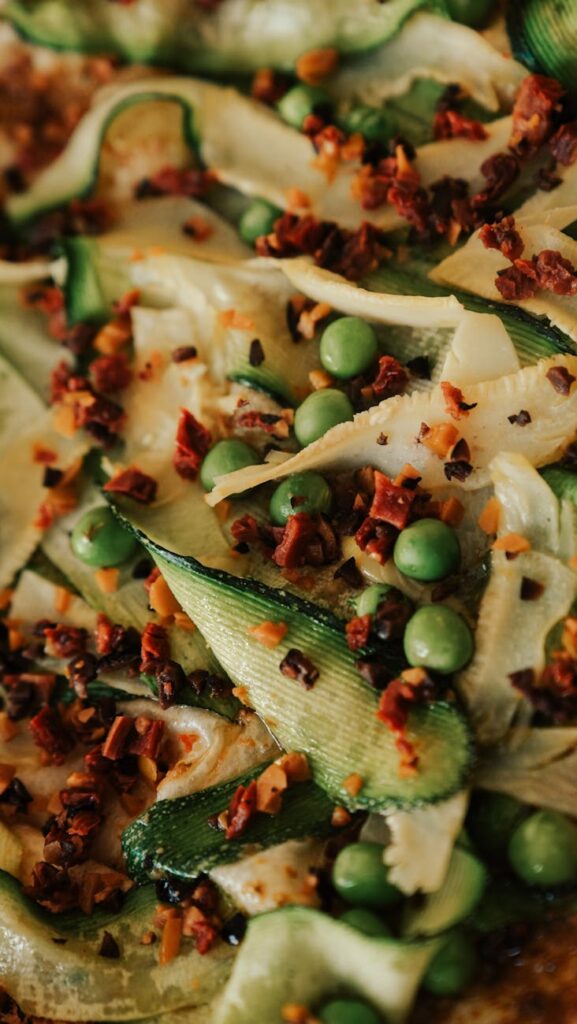
1. Raw Consumption: Zucchini can be enjoyed raw, providing a crunchy texture and subtle flavor. It can be sliced into salads, served as a dipper for hummus, or spiralized into “zoodles” as a low-carb pasta alternative.
2. Cooking Methods: Zucchini can be sautéed, grilled, roasted, or steamed. Each method brings out different flavors and textures, making it suitable for various recipes. For instance, grilling imparts a smoky taste, while sautéing enhances its natural sweetness.
3. Baking: Zucchini is often incorporated into baked goods like bread and muffins, where it adds moisture and a subtle sweetness. The vegetable’s high water content makes it an excellent ingredient for improving texture without significantly altering flavor.
4. Soups and Stews: When added to soups and stews, zucchini absorbs flavors while contributing nutrients. It can be pureed for a creamy texture or diced for added substance.
5. Casseroles and Gratins: Zucchini can be layered in casseroles or baked in gratins, where it complements other ingredients like cheese, meats, and grains.
6. Pickling: Zucchini can be pickled to create a tangy condiment that complements various dishes. Pickled zucchini is often served as a side or added to sandwiches.
Nutritional Uses
Zucchini is low in calories and rich in vitamins and minerals. It is an excellent source of vitamins A and C, potassium, and fiber. This nutritional profile makes it an ideal ingredient for various diets, including vegetarian, vegan, and gluten-free.
Dietary Considerations
Zucchini is often favored in modern dietary trends, such as low-carb and ketogenic diets. Its ability to replace pasta or grains allows individuals to enjoy familiar dishes while adhering to specific dietary restrictions.
Storage and Shelf Life
Proper storage is crucial for maintaining the quality of zucchini. When stored in a cool, dry place, fresh zucchini can last up to a week in the refrigerator. For longer-term storage, zucchini can be blanched and frozen. Frozen zucchini retains its flavor and nutritional value, although it may become softer upon thawing. Canned or pickled zucchini can last for several months, depending on the preservation method used.
Common Misconceptions
Despite its popularity, several misconceptions about zucchini persist:
1. Zucchini is a Vegetable: While commonly treated as a vegetable in cooking, zucchini is botanically classified as a fruit, specifically a type of berry.
2. Larger Zucchini is Always Better: Many believe that larger zucchinis are superior; however, they often have a more fibrous texture and less flavor than smaller, younger specimens.
3. Zucchini Must Be Cooked: While cooking enhances its flavor, zucchini can be enjoyed raw and retains its nutritional benefits in this form.
4. Zucchini Contains a High Amount of Carbs: In fact, zucchini is low in carbohydrates, making it a suitable ingredient for those monitoring their carb intake.
Frequently Asked Questions
1. Can zucchini be eaten raw?
Yes, zucchini can be eaten raw. It has a mild flavor and crunchy texture, making it a great addition to salads and vegetable platters.
2. How do I choose the best zucchini?
Look for firm zucchinis with a vibrant green color and no blemishes. Smaller zucchinis tend to be more flavorful and tender than larger ones.
3. What is the best way to store zucchini?
Store zucchini in the refrigerator’s crisper drawer, where it can last for up to a week. For longer storage, consider blanching and freezing it.
4. Can zucchini be frozen?
Yes, zucchini can be frozen after blanching. This helps maintain its texture and flavor, although it may become softer upon thawing.
5. Is zucchini gluten-free?
Yes, zucchini is naturally gluten-free and can be a great alternative to grains and pasta for those with gluten sensitivities.
6. How can I incorporate zucchini into my diet?
Zucchini can be added to a variety of dishes, including salads, soups, stir-fries, and baked goods. It can also be spiralized as a pasta substitute or grilled as a side dish.
Conclusion
Zucchini’s versatility and nutritional profile make it a valuable ingredient in kitchens worldwide. Its myriad applications, from raw to cooked forms, allow for creativity in culinary practices. Understanding the history, production, and proper use of zucchini can enhance one’s appreciation for this remarkable ingredient, making it an essential component of diverse culinary landscapes. Whether enjoyed in a gourmet dish or a simple salad, zucchini is a testament to the wonders of nature and the art of cooking.