
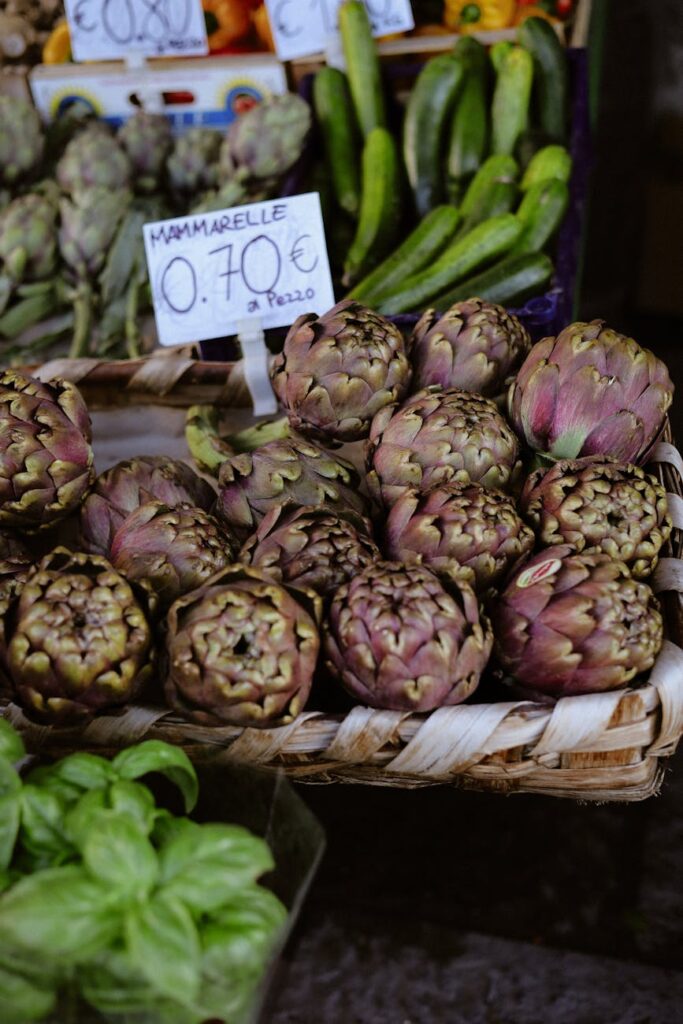
Complete Overview of Artichoke
Introduction
Artichokes, with their striking appearance and unique flavor profile, stand out as a remarkable ingredient in global cuisine. Renowned for their tender heart and edible leaves, these thistle-like vegetables are celebrated not only for their culinary versatility but also for their rich nutritional content. This comprehensive overview explores the artichoke’s history, production, quality grading, buying considerations, and more, providing a holistic understanding of this fascinating ingredient.
What Is Guides?
In the context of food ingredients, “Guides” refer to structured outlines or resources that provide essential information about a specific ingredient. These guides serve as educational tools for chefs, home cooks, and food enthusiasts, facilitating informed decisions regarding selection, preparation, and utilization. For artichokes, the guide encompasses various aspects, including culinary uses, storage techniques, and possible misconceptions.
History and Origins
The artichoke (Cynara scolymus) has a storied past that traces back to the Mediterranean region. Originally cultivated by the ancient Greeks and Romans, it was prized not only for its culinary uses but also for its purported medicinal properties. The vegetable’s name is derived from the Arabic word “al-ḥaršaf,” which reflects its deep-rooted connections to the Mediterranean culture.
Artichokes were introduced to the Americas in the 19th century, quickly gaining popularity in regions such as California, which now produces the majority of the United States’ artichoke supply. The adaptation of artichokes in various cuisines has led to diverse preparations, making it a beloved ingredient worldwide.
Production and Processing
Artichokes thrive in climates characterized by mild, wet winters and hot, dry summers. California’s coastal regions provide ideal growing conditions, leading to a robust production industry. The artichoke plant typically reaches maturity within 80 to 100 days, producing large, edible buds.
Once harvested, artichokes must undergo careful processing to maintain their quality. Typically, they are handpicked to avoid damage, and post-harvest processing involves trimming and washing to enhance appearance and freshness. In some cases, they are blanched or canned for broader distribution, ensuring that consumers can enjoy them year-round.
Quality and Grading
The quality of artichokes is determined by several factors, including size, shape, color, and firmness. Generally, artichokes are graded based on their diameter, with larger specimens often considered more desirable. Quality indicators include:
- Color: A vibrant green hue is indicative of freshness. Any browning or discoloration may suggest age or spoilage.
- Firmness: Fresh artichokes should feel heavy and firm to the touch. If they feel light or spongy, they may be past their prime.
- Closed Buds: The leaves should be tightly packed and closed; open or spreading leaves can indicate overripeness.
- Seasonality: Artichokes are typically in season from March to May. Purchasing during peak season often guarantees better quality and availability.
- Varieties: There are several varieties of artichokes, including the globe, baby, and purple artichokes. Each has its unique flavor and texture, catering to different culinary applications.
- Organic vs. Conventional: Organic artichokes may be preferable for those seeking to avoid pesticides or chemicals. Look for certification labels when buying organic products.
- Storage Conditions: Consider the storage options available to you, as artichokes have specific requirements to maintain freshness.
- Appetizers: Artichokes are often served as a starter, either whole or halved, accompanied by dips such as aioli or vinaigrette.
- Salads: Their tender hearts can be sliced and added to salads, providing a unique flavor and texture contrast.
- Pasta Dishes: Artichokes can be included in pasta recipes, adding depth to sauces and enhancing the overall dish.
- Casseroles: Their hearty texture makes artichokes an excellent addition to baked dishes, lending richness and flavor.
- Refrigeration: Store artichokes in the refrigerator, ideally in a perforated plastic bag to allow for air circulation. This can help retain moisture while preventing wilting.
- Shelf Life: Fresh artichokes generally last about 4 to 7 days in the refrigerator. However, they are best consumed as soon as possible for optimal flavor and texture.
- Freezing: While fresh artichokes can be frozen, it is advisable to blanch them first to preserve their flavor and texture. After blanching, cool them in an ice bath before transferring to airtight containers for freezing.
When purchasing artichokes, look for those that exhibit these quality indicators to ensure a superior culinary experience.
Buying Considerations
When selecting artichokes, consider the following factors to ensure optimal freshness and flavor:
Uses and Applications
The versatility of artichokes shines through in various culinary applications. They can be prepared in numerous ways, including steaming, roasting, grilling, and braising. Common uses of artichokes include:
Artichokes are also popular in Mediterranean cuisine, often featured in dishes like dips (e.g., artichoke dip) or as part of antipasti platters.
Storage and Shelf Life
To maintain the quality of fresh artichokes, proper storage is essential. Here are some guidelines:
Common Misconceptions
Despite their popularity, several misconceptions about artichokes persist:
1. Artichokes Are Difficult to Prepare: While they may appear intimidating, artichokes are relatively easy to prepare with the right techniques. Basic cleaning and cooking methods can be learned quickly by most cooks.
2. You Can Eat the Whole Artichoke: Many people are unaware that only certain parts of the artichoke are edible. The tender inner leaves