
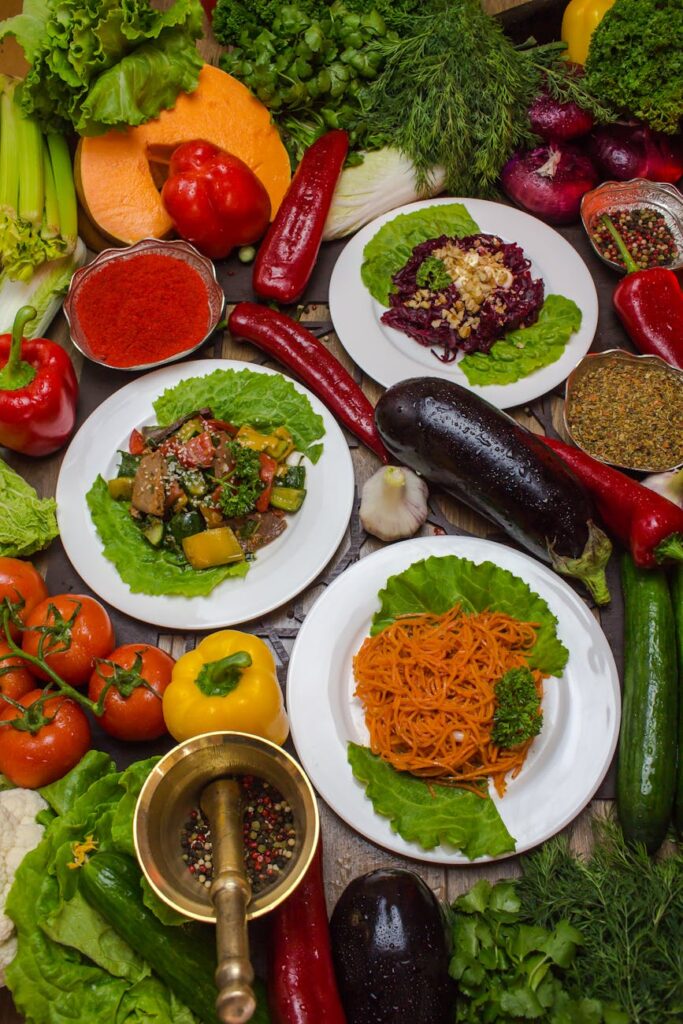
Complete Overview of Beetroot
Introduction
Beetroot, known scientifically as Beta vulgaris, is a root vegetable that has gained significant attention in recent years due to its vibrant color, unique flavor, and numerous culinary applications. This versatile ingredient is not only a staple in various cuisines but also a subject of interest for its nutritional profile and potential health benefits. In this comprehensive overview, we will explore the history, production, quality grading, applications, and more regarding beetroot.
What Is Beetroot?
Beetroot is the taproot portion of the beet plant and is typically recognized for its deep red hue, although varieties exist in yellow, white, and even striped forms. The edible part of the plant is rich in sugars, minerals, and vitamins, contributing to its sweet, earthy flavor. Beetroot can be consumed raw, cooked, pickled, or juiced, making it a popular choice across a wide range of culinary applications.
History and Origins
The history of beetroot dates back to ancient times. The plant is believed to have originated in the Mediterranean region, where its wild ancestor, Beta vulgaris subsp. maritima, grew naturally along coastal areas. The ancient Greeks and Romans cultivated beets primarily for their greens, while the root itself was primarily used for medicinal purposes.
By the Middle Ages, beetroot began to be cultivated for its edible root, particularly in Europe. Its popularity soared in the 19th century when sugar beets were discovered to be a viable source of sugar, leading to the establishment of sugar production industries. Today, beetroot is grown worldwide, with significant production in countries such as Russia, the United States, and France.
Production and Processing
Beetroot thrives in temperate climates and requires well-drained, fertile soil for optimal growth. The seeds are typically planted in spring and harvested in late summer to early fall. Once harvested, beetroots are washed to remove soil and dirt before being processed for various uses.
Processing methods vary depending on the intended application. Fresh beetroot can be sold whole or sliced and packaged for retail. For juice production, beets undergo pressing and filtration to yield a concentrated liquid. Pickling is another common processing technique, preserving the vegetable in vinegar or brine for longer shelf life.
The global production of beetroot has seen a steady increase due to its rising popularity as a health food and its incorporation into a range of culinary traditions.
Quality and Grading
Quality in beetroot is primarily assessed based on size, color, firmness, and absence of blemishes. In the marketplace, beetroots are often graded into categories such as extra fancy, fancy, and commercial, depending on these attributes.
- Size: Smaller, younger beets are often more tender and flavorful, while larger beets may be tougher and more fibrous.
- Color: The intensity of the color is a significant indicator of quality. Deep red beets are generally considered more desirable, as they indicate higher levels of betalains, the pigments responsible for their vibrant hue.
- Firmness: Fresh beetroot should feel solid and heavy for its size, indicating freshness and quality.
- Blemishes: Any signs of rot, soft spots, or discoloration can indicate spoilage and should be avoided.
- Raw: Shredded or finely sliced beetroot can add color and crunch to salads and slaws.
- Cooked: Roasting, boiling, or steaming enhances the natural sweetness of beetroot, making it a popular addition to side dishes.
- Juiced: Beetroot juice is a staple in health drinks and smoothies, prized for its vibrant color and nutritional benefits.
- Pickled: Pickling beetroot preserves its flavor and lends a tangy element to salads, sandwiches, and charcuterie boards.
- Pureed: Beetroot puree can serve as a vibrant sauce or base for various dishes, adding depth of flavor and color.
- Baking: Beetroot can be incorporated into baked goods such as cakes and brownies, providing moisture and a subtle sweetness.
- Unwashed Beets: Keep them in a perforated plastic bag or wrapped in a
For commercial purposes, quality control is essential during production and distribution to ensure that only the best products reach consumers.
Buying Considerations
When purchasing beetroot, several factors should be taken into account:
1. Freshness: Look for beets that are firm and free from soft spots or blemishes. Fresh beetroot should have green tops, indicating that it was recently harvested.
2. Size: Depending on your intended use, consider the size of the beetroot. Smaller beets are often sweeter and tenderer, while larger ones are more suitable for roasting or juicing.
3. Color: Opt for deep, vibrant colors, as these indicate higher nutritional content and better flavor.
4. Organic vs. Conventional: Organic beetroot may be preferable for those concerned about pesticide use. Certified organic products are grown without synthetic fertilizers or pesticides.
5. Seasonality: Beetroot is typically in season from late summer to early spring. Buying in-season can lead to better flavor and lower prices.
6. Storage: If purchasing beets with tops, ensure that the greens are fresh and not wilting, as they can affect the overall quality of the root.
Uses and Applications
Beetroot is incredibly versatile in the kitchen and can be utilized in various forms:
Beyond culinary applications, beetroot serves as a natural coloring agent in food processing, adding a rich hue to products like yogurt and sauces.
Storage and Shelf Life
Proper storage is crucial to maintaining the quality of beetroot. Fresh beets should be kept in a cool, dark place, ideally in a refrigerator. When stored correctly, beetroot can last for several weeks.