
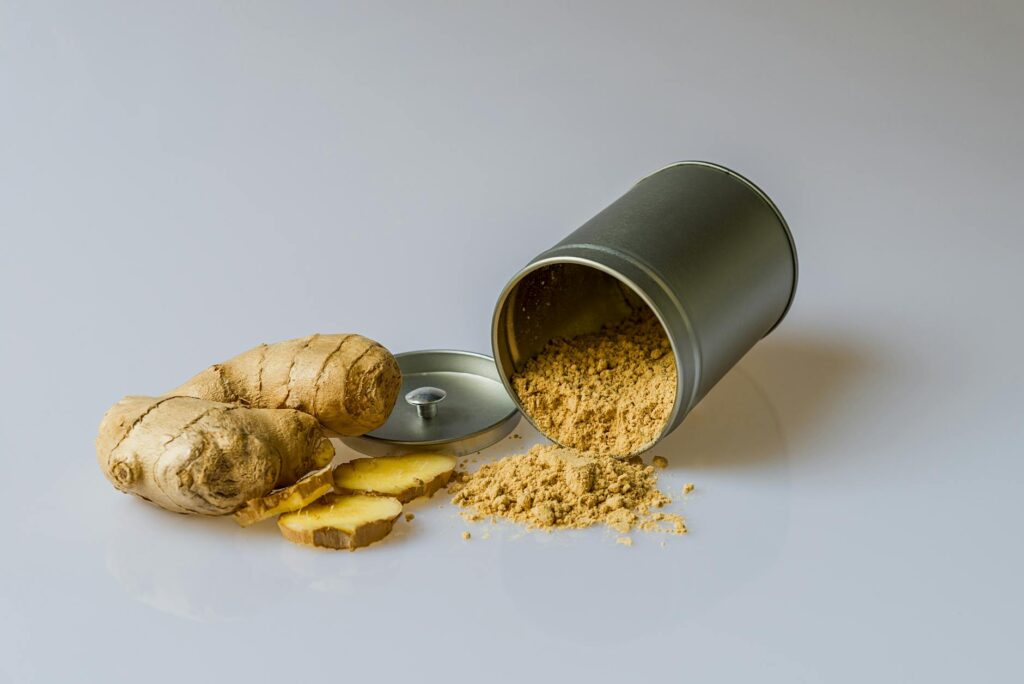
Complete Overview of Black Pepper
Introduction
Black pepper (Piper nigrum) is often referred to as the “king of spices” due to its widespread use and historical significance. The small, dried fruit of the pepper plant is not just a staple in kitchens worldwide; it also plays a vital role in culinary traditions, trade, and cultural practices. This article provides a comprehensive overview of black pepper, covering its history, production, quality grading, and various applications, ensuring a well-rounded understanding of this essential spice.
What Is Guides?
In the context of culinary ingredients, “Guides” serve as informative resources that delve into the characteristics, uses, and best practices associated with specific food items. For black pepper, guides can include information on how to select high-quality pepper, its various forms, and its applications in cooking and food preservation. These guides are designed to enrich the knowledge of chefs, home cooks, and food enthusiasts, enabling them to make informed decisions when it comes to sourcing and utilizing black pepper.
History and Origins
The history of black pepper dates back thousands of years, making it one of the oldest spices known to mankind. Native to the tropical regions of South India, particularly the Western Ghats, black pepper was highly prized in ancient trade routes, often referred to as the “black gold.” Its introduction to Europe occurred around the 4th century BCE, where it quickly became a symbol of wealth and status.
During the Age of Exploration in the 15th and 16th centuries, European powers sought to control the lucrative spice trade, leading to the establishment of colonial empires in India and Southeast Asia. The demand for black pepper contributed significantly to global trade, influencing economic and political landscapes.
Production and Processing
Black pepper is cultivated in tropical climates, thriving in regions with high humidity and moderate rainfall. The plant grows as a vine, often climbing trees or other structures for support. Harvesting pepper involves collecting the unripe berries, which are then processed through a fermentation and drying method to develop their distinctive flavor.
Cultivation
The cultivation process begins with the planting of cuttings or seeds. It typically takes about three to four years for the plants to mature and produce fruit. Farmers must carefully manage soil conditions, irrigation, and pest control to ensure high yields. Harvesting usually occurs at the end of the monsoon season when the berries have turned from green to a reddish hue.
Processing
Once harvested, the berries undergo a fermentation process to remove their outer layer. They are then dried in the sun or through mechanical means, resulting in the characteristic black peppercorns. The drying process not only preserves the fruit but also intensifies its flavor and aroma.
Quality and Grading
Black pepper is graded based on several factors, including size, shape, color, and aroma. The most common grading systems classify black pepper into different categories, such as:
- Tellicherry Pepper: Sourced from the Malabar region of India, known for its large size and bold flavor.
- Malabar Pepper: Typically smaller and less pungent than Tellicherry, often used in commercial blends.
- Lampong Pepper: Hailing from Indonesia, this variety is known for its strong aroma and slightly smoky flavor.
- Size and Shape: Larger peppercorns are generally considered superior.
- Aroma: A fresh, pungent aroma indicates high quality.
- Color: Uniformly black peppercorns are more desirable.
- Moisture Content: Low moisture levels are crucial for long-term storage and flavor retention.
- Seasoning: Black pepper enhances the flavor of meat, vegetables, and grains. It is often used as a finishing touch for dishes, adding warmth and complexity.
- Preservation: Historically, black pepper was used in food preservation due to its antimicrobial properties. While less common today, it still plays a role in some curing processes.
- Infusions: Black pepper can be infused into oils, vinegars, and sauces, imparting its flavor to various condiments and dressings.
- Aromatherapy: The essential oil derived from black pepper is used in massage oils and diffusers for its warming properties.
- Cosmetics: Some skincare products incorporate black pepper for its potential antioxidant properties.
- Cool, Dry Place: Store black pepper in a cool, dark, and dry environment, away from direct sunlight and moisture.
- Airtight Containers: Use airtight containers to minimize exposure to air, which can lead to flavor degradation.
- Whole vs. Ground: Whole peppercorns can last up to three years if stored correctly, while ground pepper typically retains its flavor for about six months.
- “All Black Pepper Is the Same”: In reality, the flavor, aroma, and quality of black pepper can vary significantly based on origin and processing methods.
- “Ground Pepper Is Always Better”: While ground pepper is convenient, it often loses its flavor more quickly than whole peppercorns. Many chefs advocate for grinding pepper fresh for optimal taste.
- “Black Pepper Is Only for Savory Dishes”: While commonly used in savory cooking, black pepper can enhance sweet dishes as well, providing a unique flavor contrast.
Grading Factors
Buying Considerations
When purchasing black pepper, several factors should be taken into account to ensure quality and freshness:
1. Form: Black pepper is available in various forms, including whole peppercorns, ground pepper, and blends. Whole peppercorns retain their flavor longer, while ground pepper is more convenient but has a shorter shelf life.
2. Packaging: Choose products that are stored in airtight containers to protect against moisture and light, which can degrade the spice.
3. Source: Opt for reputable brands or suppliers that provide information about the origin and grading of their pepper. Specialty spice shops often carry higher-quality varieties.
4. Freshness: Look for products with a harvest date or expiration date. Freshly harvested black pepper will always provide superior flavor.
Uses and Applications
Black pepper is incredibly versatile, finding its way into a myriad of culinary applications:
Culinary Uses
Non-Culinary Uses
Beyond the kitchen, black pepper is also used in:
Storage and Shelf Life
Proper storage of black pepper is essential for maintaining its flavor and potency. To maximize shelf life, follow these guidelines:
Common Misconceptions
Several misconceptions surround black pepper that can lead to confusion among consumers:
Frequently Asked Questions
1. What is the difference between black, white, and green pepper?
Black pepper is made from unripe berries that are dried, while white pepper is made from fully ripened berries with the outer shell removed. Green pepper is harvested before ripening and can be found either preserved in brine or freeze-dried.
2. How should I grind black pepper?
Using a pepper mill or grinder is recommended for freshly ground pepper. Adjust the grind size based on your cooking needs—coarser for marinades and finer for soups.
3. Can black pepper lose its flavor?
Yes, black pepper can lose its potency over time, especially when ground. For the best flavor, store it properly and use whole peppercorns whenever possible.
4. Is black pepper spicy?
Black pepper contains piperine, which gives it a mild heat. However, its flavor profile is more complex, offering warmth and depth rather than a purely spicy taste.
5. Can I use black pepper in baking?
Absolutely! Black pepper can enhance the flavor of baked goods, particularly in recipes that include chocolate or fruit, providing an unexpected depth.
6. Is there a difference between organic and conventional black pepper?
Organic black pepper is grown without synthetic pesticides or fertilizers, which may appeal to consumers seeking natural products. The flavor and quality can vary based on farming practices and grading, regardless of organic certification.
In conclusion, black pepper remains an indispensable ingredient in global cuisines, celebrated for its flavor and historical significance. Understanding its nuances—from cultivation to culinary applications—enriches both cooking and appreciation for this remarkable spice.