
Complete Overview of Bok Choy
Introduction
Bok choy, also known as Chinese cabbage, is a leafy green vegetable that has gained global popularity due to its versatility and nutritional benefits. With its crisp texture and mild flavor, bok choy is a staple in Asian cuisine and is increasingly becoming a favorite in various culinary traditions worldwide. This article provides a comprehensive overview of bok choy, exploring its history, production, quality grading, and culinary applications.
What Is Bok Choy?
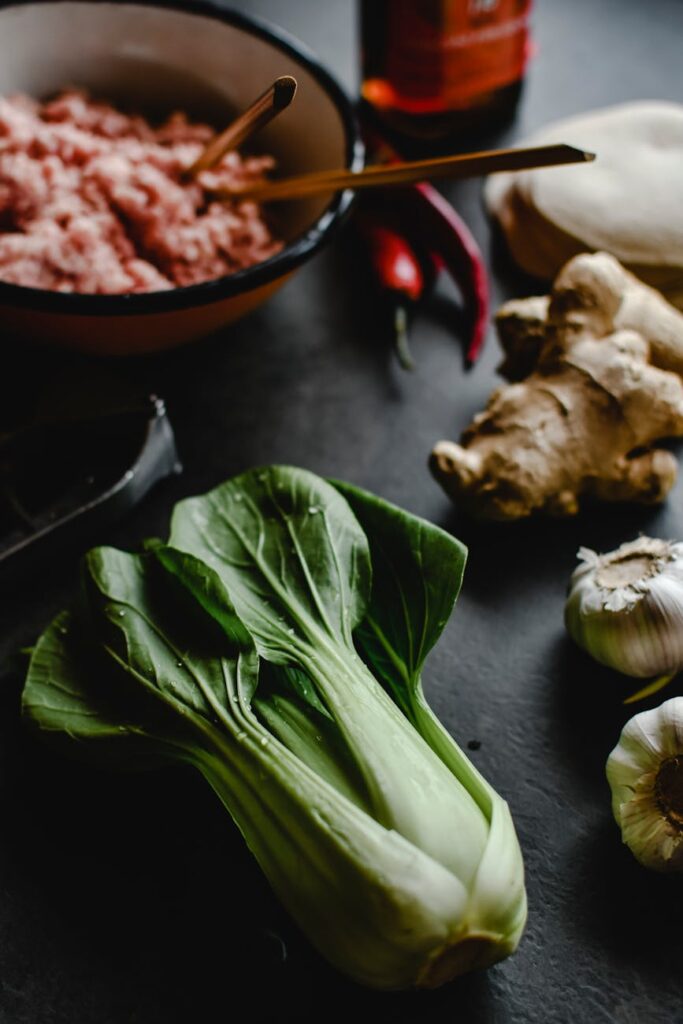
Bok choy (Brassica rapa subsp. chinensis) is a member of the cruciferous family, which includes other well-known vegetables such as broccoli, kale, and Brussels sprouts. Characterized by its dark green leaves and white stalks, bok choy comes in several varieties, including Shanghai bok choy and baby bok choy. Thanks to its mild flavor, it adapts well to numerous cooking methods, from stir-frying to steaming and raw consumption in salads.
History and Origins
Originating in China, bok choy has a rich history that dates back thousands of years. It is believed to have been cultivated in the Yangtze River Delta region of China as early as the 5th century. Throughout its history, bok choy has been a vital part of Chinese agriculture and cuisine. With the migration of Chinese communities around the world, bok choy has transcended its geographical origins and is now grown and consumed globally.
The name “bok choy” translates to “white vegetable” in Cantonese, reflecting its distinctive appearance. Over the centuries, various cultivars have been developed, leading to the diverse range of bok choy available today. These cultivars differ in size, flavor, and texture, contributing to their use in various dishes.
Production and Processing
Bok choy thrives in cool weather, making it a popular crop in temperate regions. It is typically grown in well-drained soil and requires consistent moisture for optimal growth. Cultivation methods vary from traditional farming to hydroponic systems, which have gained popularity due to their efficiency and reduced environmental impact.
Harvesting bok choy is usually done by hand, ensuring that the plants are picked at their peak freshness. The timing of the harvest is crucial, as over-mature bok choy can develop a tougher texture and a stronger flavor. Once harvested, bok choy is processed quickly to preserve its crispness and nutritional value. Common processing methods include washing, trimming, and packaging for distribution.
Quality and Grading
Quality grading for bok choy is essential to ensure that consumers receive fresh, high-quality produce. The grading process typically assesses several factors, including color, size, texture, and overall appearance. High-quality bok choy should have vibrant green leaves, crisp stalks, and no signs of wilting or discoloration.
In commercial markets, bok choy is often categorized into different grades. Grade A represents the highest quality, while Grade B may exhibit minor imperfections but is still suitable for consumption. Understanding the grading system can help consumers make informed purchasing decisions.
Buying Considerations
When selecting bok choy, several factors should be considered to ensure the best quality. Look for bok choy with firm, crisp stalks and vibrant green leaves. Avoid any that show signs of yellowing, wilting, or bruising, as these may indicate deterioration.
Additionally, consider the size and variety of bok choy. Baby bok choy is smaller and more tender, making it ideal for quick cooking methods, while larger varieties are better suited for stir-fries and braises. Freshness is paramount; therefore, it is advisable to purchase bok choy from reputable sources or local farmers’ markets when possible.
Uses and Applications
Bok choy’s culinary versatility makes it suitable for a wide range of dishes. In Asian cuisines, it is often featured in stir-fries, soups, and salads. Its ability to absorb flavors makes it an excellent addition to broths and marinades. The tender leaves can be used raw in salads, while the stalks hold up well to cooking methods like steaming and sautéing.
Beyond traditional Asian dishes, chefs worldwide have started incorporating bok choy into various cuisines. Its mild flavor pairs well with a variety of ingredients, making it a popular choice in fusion dishes. Bok choy can be grilled, roasted, or even blended into smoothies for added nutrition.
Storage and Shelf Life
To maintain its freshness, bok choy should be stored correctly. Ideally, it should be kept in the refrigerator, wrapped in a damp paper towel and placed inside a perforated plastic bag. This method helps retain moisture while allowing for airflow, which reduces the risk of spoilage.
When stored properly, bok choy can last up to a week in the refrigerator. However, for optimal flavor and texture, it is best consumed within a few days of purchase. Signs of spoilage include wilting leaves, a slimy texture, or an off smell, indicating that the bok choy should be discarded.
Common Misconceptions
Despite its increasing popularity, several misconceptions about bok choy persist. One common myth is that bok choy is high in oxalates, which are compounds found in some vegetables that can contribute to kidney stones. While it is true that bok choy contains oxalates, the levels are relatively low compared to other leafy greens, and consuming it in moderation is generally considered safe.
Another misconception is that all varieties of bok choy are interchangeable. While they share similar characteristics, each variety has distinct flavor profiles and textures. For instance, baby bok choy is sweeter and more tender than mature bok choy, making them suitable for different culinary applications.
Frequently Asked Questions
1. Is bok choy a type of lettuce?
No, bok choy is a member of the Brassica family, which includes vegetables like cabbage, broccoli, and kale. While it has a similar