
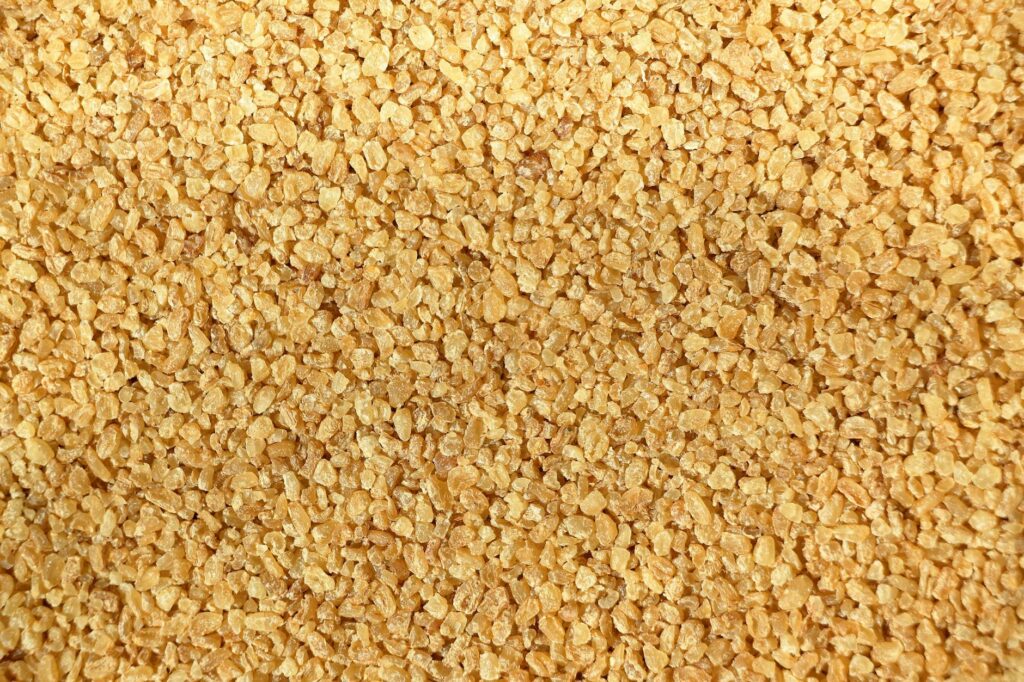
Complete Overview of Bulgur
Introduction
Bulgur is a versatile and nutritious whole grain that has been a staple in Middle Eastern and Mediterranean cuisines for centuries. Renowned for its nutty flavor, chewy texture, and impressive nutritional profile, bulgur is increasingly gaining recognition in global culinary practices. This article serves as a comprehensive guide to bulgur, delving into its history, production, quality, uses, and common misconceptions.
What Is Bulgur?
Bulgur is a cracked whole grain made from durum wheat, specifically the hard variety of wheat. It is commonly used as a base in various dishes, including salads, pilafs, and soups. The grain is partially cooked, dried, and then crushed into varying sizes, which contributes to its quick cooking time and convenience. Bulgur is often classified into different sizes—fine, medium, and coarse—each serving distinct culinary purposes.
History and Origins
The origins of bulgur can be traced back thousands of years to the Fertile Crescent, an area in the Middle East that includes parts of modern-day Turkey, Syria, and Lebanon. Archaeological findings suggest that bulgur was consumed by ancient civilizations, including the Sumerians and Babylonians. Historically, bulgur was considered a food of the poor, yet its versatility and nutritional value have allowed it to transcend social classes over time.
As trade routes expanded, bulgur spread to various regions, including the Mediterranean and North Africa. It became a vital ingredient in traditional dishes like tabbouleh and kibbeh, showcasing its adaptability to different flavors and cooking methods. Today, bulgur continues to be a fundamental component of both traditional and contemporary cuisines worldwide.
Production and Processing
The production of bulgur involves several steps, starting with the selection of high-quality durum wheat. The process begins with cleaning and soaking the wheat grains, followed by steaming or boiling them. This cooking process softens the grains, allowing them to be dried and subsequently cracked into various sizes.
1. Cleaning: To remove impurities and debris, the wheat is thoroughly washed.
2. Soaking: Soaking the wheat helps to hydrate it, making the grains easier to cook and crack.
3. Cooking: The soaked wheat is steamed or boiled until it reaches the desired tenderness. This step is crucial for developing bulgur’s characteristic flavor and texture.
4. Drying: After cooking, the wheat is dried to remove moisture, which extends its shelf life.
5. Cracking: The dried wheat is then cracked into coarse, medium, or fine granules, depending on its intended use.
The quality of bulgur can vary based on the wheat used, the processing techniques, and the final granule size. High-quality bulgur retains essential nutrients and has a rich flavor profile, making it a sought-after ingredient in many culinary applications.
Quality and Grading
Bulgur is generally graded based on its granule size and color. The grading standards may vary by region, but commonly, bulgur is categorized as fine, medium, or coarse.
- Fine Bulgur: Often used in salads and dips like tabbouleh, fine bulgur has a smaller granule size and cooks quickly.
- Medium Bulgur: This type is versatile and can be used in pilafs and stuffed dishes.
- Coarse Bulgur: Suitable for hearty applications like soups and casseroles, coarse bulgur retains a more substantial texture.
- Salads: Fine bulgur is often used in salads, most notably tabbouleh, where it absorbs flavors from fresh herbs, tomatoes, and lemon juice.
- Pilafs: Medium bulgur serves as a hearty base for pilafs, often combined with vegetables, spices, and broths.
- Soups: Coarse bulgur can be added to soups and stews, contributing both texture and nutritional value.
- Stuffed Dishes: Bulgur is frequently used as a filling in stuffed vegetables, such as peppers or eggplants, where it absorbs the flavors of accompanying ingredients.
- Baking: Bulgur can also be incorporated into baked goods, enhancing the fiber content and adding a unique flavor.
When selecting bulgur, consider the following quality indicators:
1. Color: High-quality bulgur should have a consistent, light tan to brown color, indicating proper processing and storage.
2. Aroma: Fresh bulgur emits a nutty scent. Any off-putting or rancid smell may indicate spoilage.
3. Texture: The grains should feel firm and dry, with no signs of moisture or clumping.
4. Packaging: Opt for bulgur sold in airtight, resealable packages to ensure freshness and prevent contamination.
Buying Considerations
When purchasing bulgur, several factors should be taken into account:
1. Type: Choose the grade of bulgur that best suits your intended use—fine for salads, medium for versatile dishes, and coarse for hearty meals.
2. Origin: Look for bulgur sourced from reputable producers, particularly those that emphasize sustainability and organic farming practices.
3. Packaging: Ensure the package is intact, with no tears or signs of damage. Check for expiration dates to guarantee freshness.
4. Certifications: If you prefer organic or non-GMO products, seek out certifications on the packaging.
5. Price: While bulgur is generally affordable, prices may vary. Consider investing in high-quality bulgur for better flavor and nutritional benefits.
Uses and Applications
Bulgur is an incredibly flexible ingredient that can be incorporated into a variety of dishes:
Due to its quick cooking time, bulgur is particularly popular among home cooks looking for convenience without compromising on health or taste.
Storage and Shelf Life
To maintain the quality and freshness of bulgur, proper storage is essential. Bul