
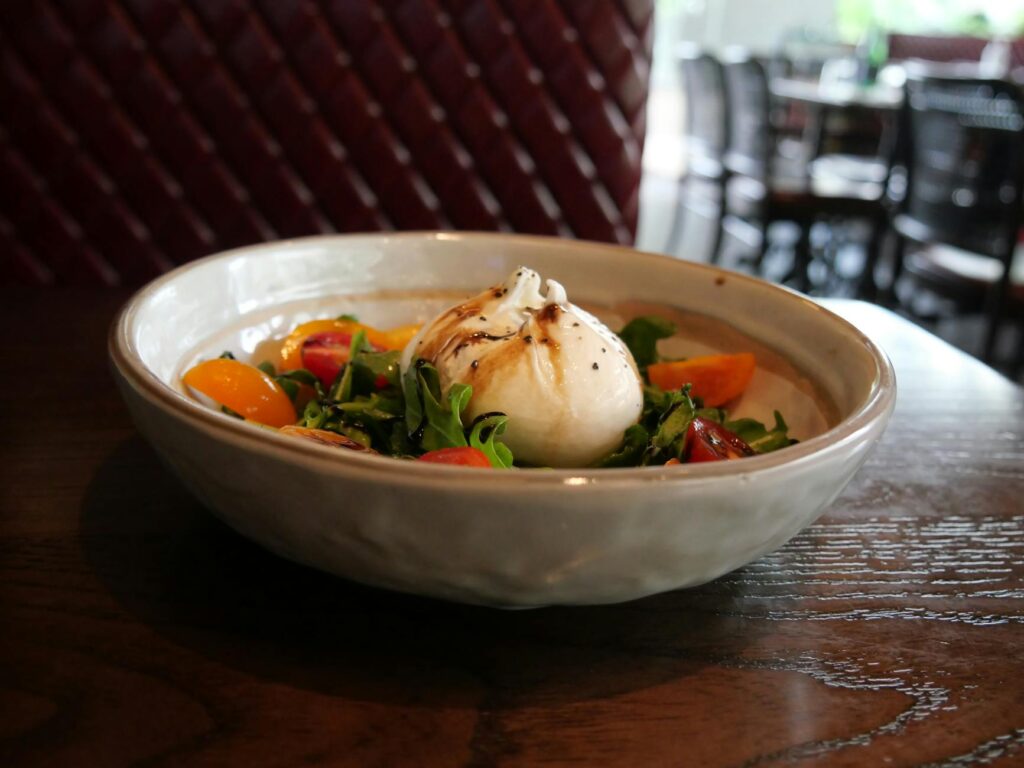
Complete Overview of Burrata
Introduction
Burrata is a fresh Italian cheese that has gained immense popularity in culinary circles worldwide. Renowned for its creamy texture and rich flavor, burrata is more than just a cheese; it is an experience that elevates dishes from ordinary to extraordinary. This article provides a comprehensive overview of burrata, exploring its history, production methods, quality grading, and much more.
What Is Burrata?
Burrata is a fresh cheese made from cow’s milk, originating from the Apulia region in southern Italy. Its name translates to “buttered” in Italian, which aptly describes its rich, buttery flavor profile. The cheese consists of a solid outer shell made from mozzarella, while its interior is filled with a creamy mixture of stracciatella (shredded mozzarella) and fresh cream. This unique composition provides a delightful contrast in texture, making burrata a sought-after ingredient in various culinary applications.
History and Origins
Burrata traces its roots back to the early 20th century in the Murgia area of Apulia. It is believed that the cheese was first made in the late 1920s as a way to utilize leftover scraps of mozzarella. Farmers would combine these scraps with cream, creating a delicacy that could be enjoyed fresh. Traditionally, burrata was a seasonal cheese, best consumed shortly after production. Over time, its popularity spread beyond Italy, and it has now become a staple in gourmet kitchens and restaurants worldwide.
Production and Processing
The production of burrata involves several key steps, starting with the curdling of fresh milk. Here’s a detailed overview of the process:
1. Milk Preparation: High-quality cow’s milk is heated and combined with rennet and acid to form curds. The milk must be fresh, as the quality significantly impacts the final product.
2. Curd Formation: Once the curds have formed, they are cut into small pieces and heated again. This step helps achieve the desired elasticity and texture.
3. Mozzarella Formation: The curds are then kneaded and pulled to create the outer layer of the burrata. This process, known as pasta filata, is crucial for developing the cheese’s characteristic stretch.
4. Filling: The outer mozzarella shell is filled with a mixture of stracciatella and cream, which is the hallmark of burrata. The filling should be creamy and rich, contributing to the overall mouthfeel.
5. Shaping and Packaging: The filled mozzarella is carefully shaped into balls and typically wrapped in a thin layer of mozzarella or placed in a container with whey to maintain moisture.
6. Aging: Burrata is best consumed fresh but can be refrigerated for a short period. It typically has a shelf life of around 5 to 7 days.
Quality and Grading
When it comes to burrata, quality is paramount. Several factors contribute to the grading of burrata:
- Milk Source: The quality of the milk used is essential. Burrata made from high-quality, fresh cow’s milk is generally superior.
- Texture: A good burrata should have a smooth, elastic outer shell and a creamy, flowing interior. If the outer shell is too thick or the interior is overly firm, it may indicate lower quality.
- Flavor: The taste should be rich and creamy, with subtle notes of sweetness from the cream. Authentic burrata often has a slightly tangy finish.
- Freshness: Burrata is best enjoyed fresh, typically within a few days of production. Always check the expiration date when purchasing.
- Salads: Burrata adds a creamy element to salads, pairing wonderfully with fresh greens, ripe tomatoes, and a drizzle of olive oil.
- Pasta Dishes: It can be used as a finishing touch on pasta, allowing the cheese to melt slightly and create a rich, creamy sauce.
- Bruschetta: Spread burrata on toasted bread, topped with seasonal vegetables or fruits for a delightful appetizer.
- Pizza: Burrata can be added to pizzas just before serving, providing a luxurious touch to the dish.
- Charcuterie Boards: Its creamy texture makes burrata an excellent addition to charcuterie boards, complementing cured meats and pickled vegetables.
- Desserts: Interestingly, burrata can also be paired with fruits like peaches or berries for a unique dessert experience.
- Refrigeration: Always store burrata in the refrigerator at a temperature below 40°F (4°C). Keeping it in its original packaging or in a sealed container with whey can help maintain moisture.
Buying Considerations
When purchasing burrata, consider the following tips to ensure you select the best quality:
1. Source: Look for burrata made from artisanal producers or reputable brands. Local cheesemakers often provide fresher options.
2. Packaging: Burrata is typically sold in vacuum-sealed containers or packed in whey. Ensure the packaging is intact, and check for any signs of spoilage.
3. Texture and Appearance: Inspect the cheese for a smooth, shiny surface. It should feel soft to the touch, and you should be able to see the creamy filling through the outer layer.
4. Expiration Date: Always check the label for the expiration date. Fresher burrata will offer a better flavor and texture.
5. Local vs. Imported: While imported burrata is often regarded as superior, many local producers offer high-quality options. Taste tests can help you determine your preference.
Uses and Applications
Burrata is a versatile ingredient that can elevate various dishes. Here are some common applications:
Storage and Shelf Life
Burrata is best enjoyed fresh, but proper storage can extend its shelf life. Here are some guidelines: