
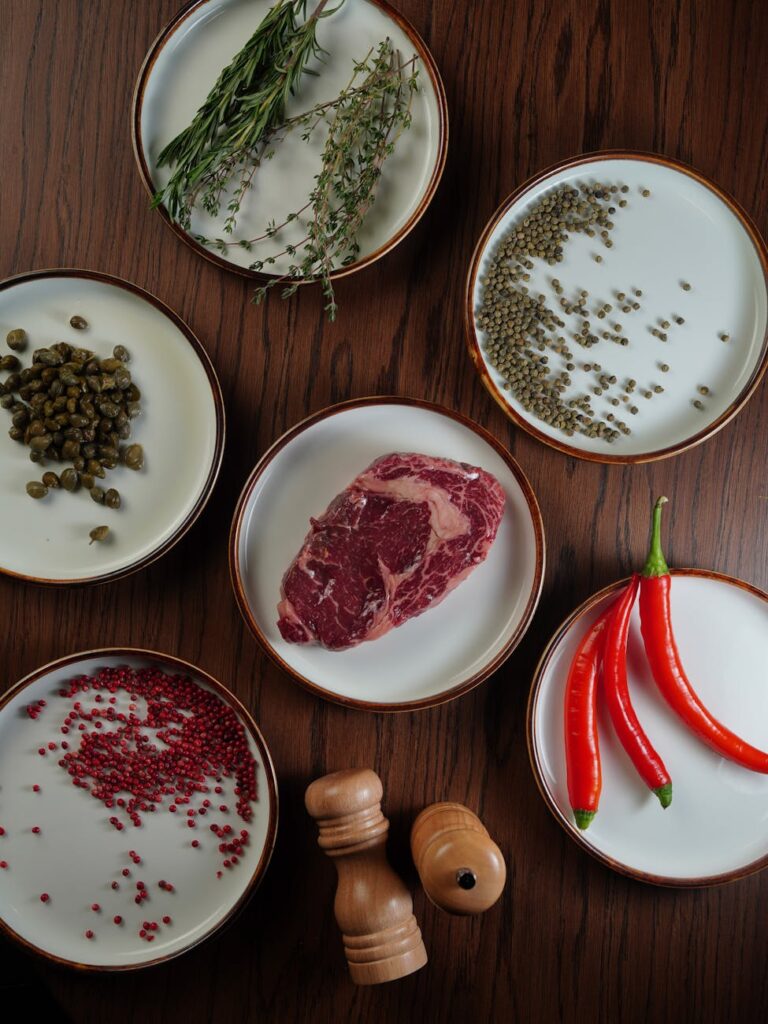
Complete Overview of Capers
Introduction
Capers are small, green flower buds that have become a staple in various culinary traditions around the world. Known for their unique piquant flavor, they add a distinctive touch to a wide array of dishes, ranging from Mediterranean cuisine to modern fusion recipes. This article offers a comprehensive overview of capers, covering their history, production, quality grading, uses, and common misconceptions.
What Is Guides?
In the context of culinary ingredients, “Guides” refers to a collection of detailed information that provides insights into the characteristics, uses, and sourcing of specific food items. When it comes to capers, guides serve as an essential resource for chefs, home cooks, and food enthusiasts alike, helping them understand the nuances of this ingredient, including its flavor profile, culinary applications, and how to select the best quality products.
History and Origins
Capers have a rich history that dates back to ancient civilizations. They are believed to have originated in the Mediterranean region, particularly in areas surrounding Greece and Sicily. Historical texts suggest that capers were used by the Romans and Greeks not only for their culinary applications but also for their medicinal properties.
The plant from which capers are harvested, the caper bush (Capparis spinosa), thrives in arid climates, making Southern Europe, North Africa, and parts of the Middle East its primary growing regions. By the Middle Ages, capers had spread throughout Europe, becoming a sought-after ingredient in various dishes. Their popularity continued to grow during the Renaissance, when they were often paired with fish and meats, reflecting the evolving culinary trends of the time.
Production and Processing
Capers are harvested from the caper bush, which can grow up to 1 meter (3 feet) tall. The buds are typically collected before they bloom into flowers, as this is when they possess their most robust flavor. The harvesting process is labor-intensive and requires skilled hands, as the buds are small and delicate.
Once harvested, capers undergo a curing process to enhance their flavor and preserve them for culinary use. The most common methods include pickling in vinegar or brine, which imparts a tangy flavor profile and extends their shelf life. There are different types of capers available on the market, categorized mainly by size, with the smallest being the most prized due to their concentrated flavor.
Quality and Grading
Capers are graded based on their size, appearance, and flavor intensity. The size is typically measured in counts per jar, with smaller capers, such as “nonpareil,” being the most desirable. Nonpareil capers are the tiniest and most flavorful, followed by “capers,” and then “capote” and “colossal.”
In addition to size, the quality of capers can also be assessed by their color and firmness. High-quality capers should be vibrant green or olive green, with a plump and firm texture. When purchasing capers, it is essential to check for any signs of discoloration or excessive brine, as these can indicate poor quality or spoilage.
Buying Considerations
When looking to buy capers, several factors should be taken into account to ensure the best quality and flavor:
1. Type: Determine whether you prefer nonpareil, capers, or larger varieties based on your intended culinary applications. Smaller capers work well in dressings and sauces, while larger ones may be more suitable for garnishing.
2. Packaging: Capers are available in jars, cans, and vacuum-sealed packages. Jars typically offer the best visibility to assess quality, but cans may provide a longer shelf life.
3. Brine Quality: Inspect the brine or vinegar used to preserve the capers. A high-quality brine should be clear and free from any sediment.
4. Origin: Look for capers sourced from reputable regions, such as Italy or Spain, known for producing high-quality capers. Labels that specify “wild” or “hand-harvested” may also indicate superior quality.
5. Sustainability: Consider sourcing capers from brands that prioritize sustainable farming practices, as this can impact both flavor and environmental health.
Uses and Applications
Capers are incredibly versatile and can be used in a multitude of culinary applications. Their briny flavor enhances dishes in various cuisines:
- Mediterranean Cuisine: Capers are commonly featured in Mediterranean dishes, such as puttanesca sauce, tapenade, and as a garnish for fish dishes like piccata.
- Salads and Dressings: They add a zesty punch to salads and vinaigrettes, making them an excellent ingredient for enhancing the overall flavor profile.
- Meat and Poultry: Capers can be used in marinades and sauces, adding depth to dishes like chicken piccata or veal.
- Garnishes: Their unique appearance and flavor make capers a popular choice for garnishing appetizers, such as smoked salmon or deviled eggs.
- Vegetarian and Vegan Dishes: Capers can lend a savory, umami quality to vegetarian and vegan dishes, serving as a flavor enhancer in grain bowls or veggie burgers.
Storage and Shelf Life
Proper storage is essential to preserve the quality and flavor of capers. Unopened jars or cans of capers can be stored in a cool, dark place, such as a pantry, and will last for several years. However, once opened, capers should be refrigerated and consumed within a few months for maximum freshness.
When kept in brine or vinegar, capers can maintain their flavor and quality for much longer. Always ensure that the capers are submerged in the liquid to prevent spoilage. If the brine becomes cloudy or develops an off odor, it is advisable to discard the capers.