
Complete Overview of Cauliflower
Introduction
Cauliflower, a member of the cruciferous vegetable family, has gained significant attention in recent years due to its versatility and nutritional benefits. This cruciferous powerhouse is characterized by its unique white curds, although varieties in green, purple, and orange hues also exist. Beyond its culinary appeal, cauliflower is celebrated for its adaptability across various cuisines and its potential for health-conscious diets. This article aims to provide a comprehensive overview of cauliflower, covering its history, production, quality grading, buying tips, and more.
What Is Guides?
In the context of culinary ingredients, “Guides” serve as a resource for understanding the complexities associated with specific foods. These guides encompass various aspects of an ingredient, including its origins, cultivation methods, quality indicators, and practical applications. For cauliflower, the guide serves to enrich the reader’s knowledge, enhancing their culinary experience and fostering informed choices in the kitchen and marketplace.
History and Origins
Cauliflower traces its origins back to the Mediterranean region, particularly around the island of Cyprus. Historical accounts suggest that it was cultivated as early as the Roman Empire, where it was appreciated for both its flavor and its nutritional properties. By the Middle Ages, cauliflower began to spread throughout Europe, becoming a staple in French and Italian cuisines.
The vegetable’s name is derived from the Latin word “caulis,” meaning “stem” or “cabbage,” and “floris,” meaning “flower,” aptly describing its flower-like structure. Over the centuries, selective breeding led to the development of various cultivars, including the familiar white cauliflower and its colorful counterparts. Today, cauliflower is cultivated worldwide, with China, India, and the United States being major producers.
Production and Processing
Cultivation
Cauliflower thrives in temperate climates, requiring well-drained, fertile soil and ample sunlight. The plant is typically grown as an annual crop, with a growing cycle that spans approximately 70 to 100 days. It prefers a pH level between 6.0 and 7.0, which is optimal for nutrient uptake.
Farmers often employ crop rotation techniques to maintain soil health and prevent pest infestations. Common pests that affect cauliflower include aphids and cabbage worms, necessitating careful pest management strategies. Furthermore, cauliflowers are sensitive to temperature fluctuations; they require cooler weather to curdle properly, making them a spring and fall crop in many regions.
Processing
After harvest, cauliflower undergoes a meticulous post-harvest process. This includes washing, trimming, and packaging to ensure freshness. For larger distributions, cauliflower may be frozen or processed into florets for convenience. Standard processing involves blanching the vegetable to preserve its color, texture, and nutritional value before freezing.
Quality and Grading
Quality assessment of cauliflower involves several key indicators:
1. Appearance: Fresh cauliflower should have compact, tightly packed florets that are creamy white or vibrant colors, depending on the variety. Leaves should be crisp and green, indicating freshness.
2. Texture: The texture of the florets should be firm and not show signs of wilting or softness. A good cauliflower should feel heavy for its size.
3. Smell: Fresh cauliflower has a mild, slightly sweet aroma. A strong, unpleasant odor may indicate spoilage.
4. Size: While size may vary based on cultivar, a medium to large head is generally preferred as it offers more florets for culinary use.
Grading typically occurs at the packing facility, where cauliflowers are categorized into grades based on these quality indicators. Higher grades are generally sold at premium prices and are sought after by consumers for their superior quality.
Buying Considerations
When purchasing cauliflower, consider the following factors to ensure optimal quality:
1. Seasonality: Look for locally sourced cauliflower during its peak season, which typically ranges from late summer to early fall in most regions.
2. Variety: Familiarize yourself with different varieties, such as white, purple, orange, and green. Each has unique flavors and nutrients, with purple cauliflower being rich in anthocyanins, for instance.
3. Freshness: Examine the head and leaves for signs of freshness. Avoid heads with dark spots, yellowing leaves, or any signs of wilting.
4. Organic vs. Conventional: Consider whether you prefer organic cauliflower, which is grown without synthetic pesticides or fertilizers, or conventional varieties. This decision may affect both the environmental impact and your personal health preferences.
5. Storage: Check for proper storage practices at the point of sale. Cauliflower should be refrigerated to maintain its freshness.
Uses and Applications
Cauliflower is an incredibly versatile ingredient that lends itself to a variety of culinary applications:
- Raw: Enjoyed raw, cauliflower is a popular addition to crudité platters and salads, providing a crunchy texture and mild flavor.
- Cooked: It can be steamed, roasted, sautéed, or boiled. Cooking methods enhance its taste and texture, making it a staple in various dishes.
- Substitutions: Cauliflower has gained popularity as a low-carb substitute for grains and legumes. It can be transformed into cauliflower rice, pizza crusts, and mash, appealing to those seeking healthier alternatives.
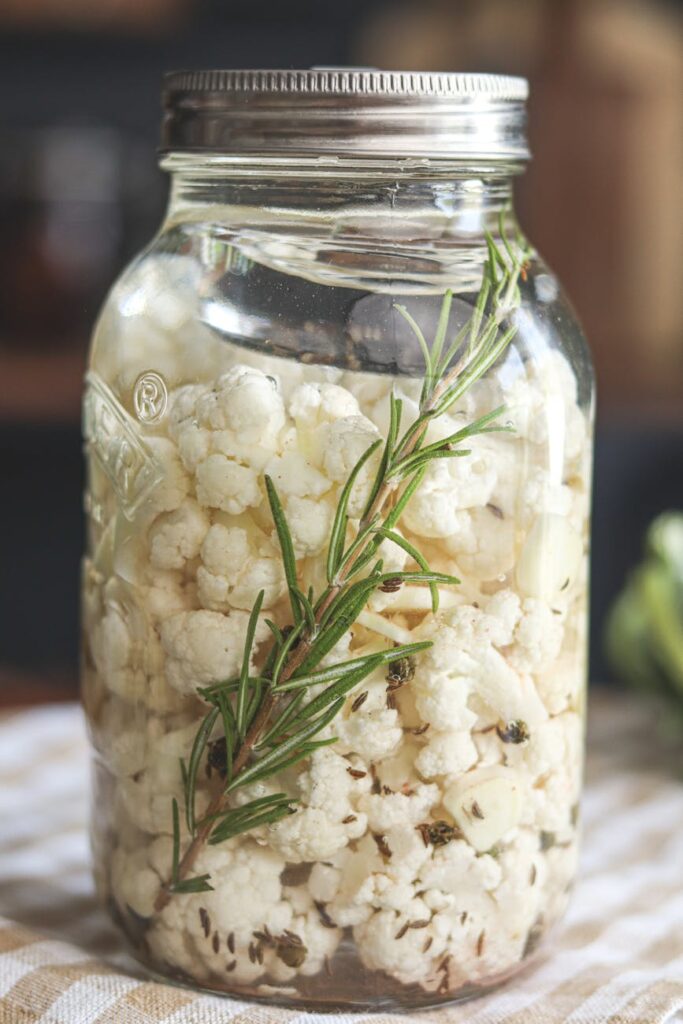
- Fermentation: Cauliflower can also be used in pickling and fermentation processes, adding complexity to its flavor profile.
- Soups and Sauces: Its creamy texture makes it an excellent base for soups and sauces, often serving as a dairy-free alternative.
- Refrigeration: Store cauliflower in the vegetable crisper drawer of the refrigerator, ideally in a perforated plastic bag to allow for air circulation.
- Shelf Life: When stored correctly, fresh cauliflower can last up to
Storage and Shelf Life
Proper storage techniques are essential for maintaining cauliflower’s freshness: