
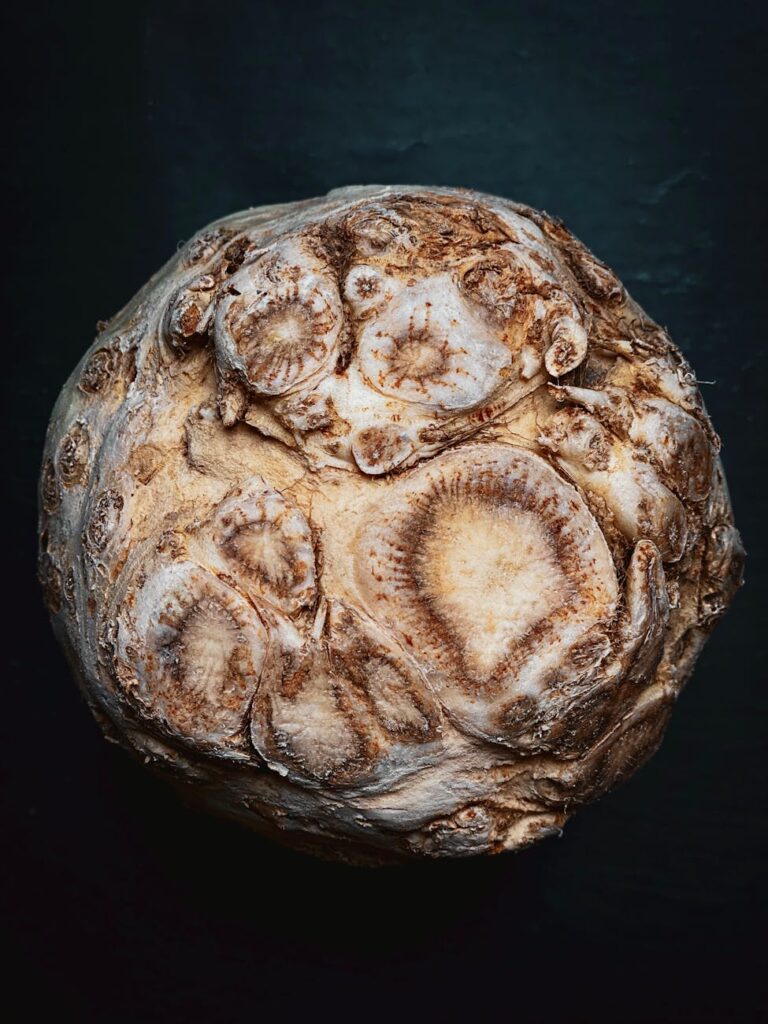
Complete Overview of Celeriac
Introduction
Celeriac, also known as celery root or knob celery, is a versatile and underappreciated vegetable belonging to the Apiaceae family. Renowned for its unique flavor and myriad culinary applications, celeriac has gained traction in various global cuisines. This article aims to provide a comprehensive overview of celeriac, covering its characteristics, historical context, production processes, and practical considerations for consumers and chefs alike.
What Is Celeriac?
Celeriac (Apium graveolens var. rapaceum) is a root vegetable that is cultivated primarily for its edible tuberous root, which is characterized by its knobby, irregular shape and pale brown skin. Unlike its leafy cousin, the stalks of common celery, celeriac is primarily valued for its root, which has a mild, earthy flavor reminiscent of celery but with a nuttier, more robust profile. Celeriac is often described as having a subtle taste that enhances various dishes without overpowering other ingredients.
History and Origins
Celeriac’s history dates back to ancient times, with its origins traced to the Mediterranean region. The vegetable was first cultivated by the Greeks and Romans, primarily for its medicinal properties before being recognized for its culinary potential. By the Middle Ages, celeriac had spread across Europe, becoming a staple in French and Italian cuisines.
In the 19th century, celeriac began to gain popularity in other parts of the world, especially North America, where it was introduced by European settlers. Today, it is cultivated in various countries, including France, Germany, and the United States, where it thrives in temperate climates.
Production and Processing
Celeriac is a cool-season crop that requires a well-drained, fertile soil rich in organic matter. The cultivation process begins with seed sowing in late winter or early spring, followed by a lengthy growing period of approximately 120 to 150 days. Regular watering and weeding are essential to ensure healthy growth.
Once harvested, celeriac is cleaned to remove dirt and debris. It can be sold fresh, stored in cool conditions, or processed into various forms, including purees or powders. In many regions, it is available year-round due to its ability to withstand cold temperatures, making it a popular choice for root vegetable dishes.
Quality and Grading
The quality of celeriac can vary based on several factors including size, shape, and skin texture. Ideal celeriac should be firm and heavy for its size, with a smooth surface free from blemishes or soft spots. The root should also display a creamy white interior when cut, indicating freshness.
Grading standards may differ by region, but typically, celeriac is classified into categories based on size and appearance. Higher-grade celeriac is generally more desirable due to its aesthetic appeal and superior taste, making it more sought after in culinary applications.
Buying Considerations
When purchasing celeriac, consumers should consider several factors to ensure they are selecting the best quality product. Look for roots that are firm and heavy, with no signs of decay or excessive blemishing. Ideally, the skin should be intact, as cuts or scrapes can lead to spoilage.
Celeriac is often sold in bulk, allowing buyers to select individual pieces. For those shopping in pre-packaged formats, it is advisable to check for any moisture inside the packaging, which can indicate spoilage. If possible, opt for organic celeriac, as it is less likely to be treated with pesticides and other chemicals.
Uses and Applications
Celeriac is a versatile ingredient that can be used in a variety of culinary applications. Its unique flavor profile makes it an excellent addition to soups, stews, and purees. It can also be roasted, mashed, or grated into salads for added texture and flavor.
In addition to its use as a vegetable, celeriac can be transformed into celeriac chips or fries, providing a healthy alternative to traditional potato snacks. Its ability to absorb flavors makes it an ideal candidate for marinades and dressings, further expanding its culinary potential.
Celeriac is also a popular choice in vegetarian and vegan dishes, where it can serve as a satisfying base for hearty meals. In recent years, its use has extended to modern gastronomy, where chefs experiment with its flavor and texture in innovative ways.
Storage and Shelf Life
Proper storage is crucial for maintaining the freshness and quality of celeriac. When stored in a cool, dark place, celeriac can last for several weeks. Ideally, it should be kept in a perforated plastic bag in the refrigerator to allow for adequate air circulation.
Once cut, celeriac should be wrapped tightly and stored in an airtight container to prevent oxidation and moisture loss. If stored properly, cut celeriac can remain usable for up to a week. However, it is always best to consume it as fresh as possible for optimal flavor and texture.
Common Misconceptions
Despite its versatility, celeriac often falls victim to misconceptions that can deter potential consumers. One common myth is that celeriac is overly difficult to prepare. In reality, its preparation is quite straightforward: peeling and cutting it into desired shapes can be accomplished in a matter of minutes.
Another misconception is that celeriac has a strong flavor that may overpower other ingredients. While it does have a distinct taste, it is surprisingly mild when cooked, allowing it to complement a wide array of dishes rather than dominate them.
Finally, some people believe that celeriac is not widely available, but in fact, it can be found in many grocery stores and farmers’ markets, especially during its peak season in the fall and winter months.
Frequently Asked Questions
1. Is celeriac gluten-free?
Yes, celeriac is naturally gluten-free and can be a suitable option for those with gluten