
Complete Overview of Chestnuts
Introduction
Chestnuts have long been revered not only for their unique flavor and texture but also for their cultural significance in various cuisines worldwide. Their distinct characteristics set them apart from other nuts, making them a popular choice during the fall and winter seasons. This comprehensive overview will delve into the myriad aspects of chestnuts, from their historical roots to their culinary applications, ensuring an informed understanding of this versatile ingredient.
What Is Guides?
In the culinary realm, “guides” refer to comprehensive resources that provide detailed information about specific ingredients. They serve as an educational tool for chefs, home cooks, and food enthusiasts, offering insights into the properties, uses, and best practices related to a particular food item. Guides aim to enhance the appreciation of ingredients, helping users make informed choices in preparation and consumption.
History and Origins
Chestnuts have a storied history that traces back thousands of years. They are believed to be native to the regions of southern Europe and Asia, where they have been cultivated since ancient times. The ancient Greeks and Romans valued chestnuts not only as food but also for their medicinal properties. In fact, the Romans referred to chestnuts as “the food of the poor,” highlighting their accessibility and nutritional value.
During the Middle Ages, chestnuts became a staple food in many parts of Europe, particularly in regions where grain was scarce. They were often ground into flour for bread or porridge, which contributed to their status as a vital food source during times of famine. As European settlers arrived in North America, they brought chestnut trees with them, leading to the establishment of the American chestnut, which flourished until the early 20th century when a blight decimated the population.
Today, chestnuts are cultivated in various regions around the world, from Europe and Asia to the Americas. Their rich heritage has solidified their place in culinary traditions, especially during festive seasons.
Production and Processing
Chestnut production is a labor-intensive process that requires specific climatic conditions. Chestnut trees thrive in temperate climates with well-drained soil, and they prefer areas with distinct seasonal changes. The most notable producers of chestnuts include Italy, Spain, France, and China, with Italy being renowned for its quality varieties.
Harvesting typically occurs in late autumn when the nuts fall from the trees. Traditional methods involve collecting fallen nuts from the ground, while modern techniques may include shaking the trees to facilitate the harvest. Once collected, chestnuts undergo processing to remove their tough outer shells. This can involve roasting or boiling to loosen the shells, making them easier to peel.
Post-harvest, chestnuts can be stored for a limited time; thus, processing methods such as freezing, drying, or milling into flour are employed to extend their shelf life. The versatility of chestnuts in various forms enhances their appeal and usability in diverse culinary applications.
Quality and Grading
The quality of chestnuts is determined by several factors, including size, appearance, and flavor. When grading chestnuts, several criteria are considered:
1. Size: Larger chestnuts are generally more desirable, as they offer a better yield and are typically more flavorful.
2. Appearance: High-quality chestnuts should be smooth, shiny, and free from blemishes or cracks. Any sign of mold or rot is a clear indicator of poor quality.
3. Weight: Fresh chestnuts are dense and heavy for their size. A lightweight chestnut may indicate dehydration or spoilage.
4. Taste: The flavor of chestnuts should be sweet and earthy, with a moist texture. Any bitterness or dryness could imply inferior quality.
Consumers are encouraged to look for chestnuts that are labeled according to their grading standards, helping to ensure that they select the best possible product for their culinary needs.
Buying Considerations
When purchasing chestnuts, several factors should be taken into account to ensure quality and flavor.
1. Freshness: Opt for chestnuts that are in season, typically from late fall to early winter. Check for freshness by inspecting the shells for any signs of damage or decay.
2. Variety: Different varieties of chestnuts offer unique flavors and textures. Familiarize yourself with local varieties and their culinary uses. For instance, the Italian Marrone is known for its sweet flavor, while the American chestnut has a milder taste.
3. Packaging: If buying packaged chestnuts, ensure that the packaging is intact and free from any signs of moisture or damage.
4. Source: Purchase from reputable vendors or farmers’ markets to ensure quality. Local sources may provide fresher options compared to those that have been transported long distances.
By taking these factors into account, consumers can make informed choices that enhance their culinary experiences.
Uses and Applications
Chestnuts are incredibly versatile and can be utilized in a wide range of culinary applications. Their unique flavor and texture make them suitable for both sweet and savory dishes.
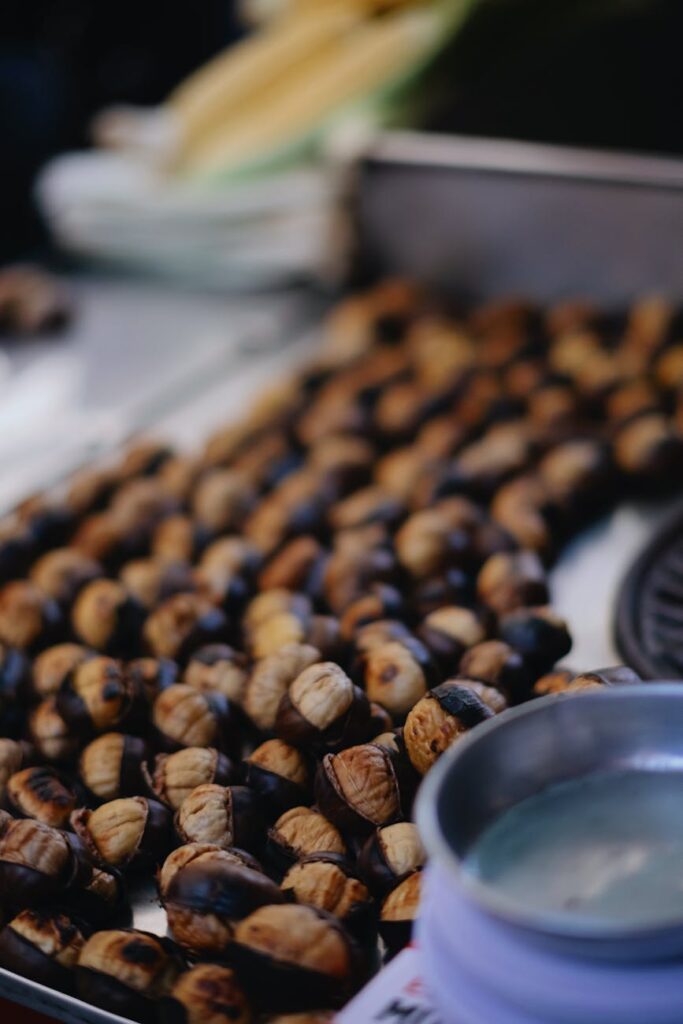
1. Culinary Uses: Chestnuts can be roasted, boiled, or pureed. Roasting brings out their natural sweetness and creates a delightful aroma, making them a popular winter snack. Boiled chestnuts can be used in soups and stews, adding a rich, nutty flavor.
2. Flour Production: Chestnut flour, made from ground dried chestnuts, is gluten-free and can be used in various baking applications. It lends a distinctive flavor to bread, pasta, and pastries.
3. Confectionery: In many cultures, chestnuts are candied or used to make chestnut cream, a sweet spread enjoyed on bread or as a filling for pastries.
4. Savory Dishes: Chestnuts pair well with meats, particularly game and poultry. They can also be incorporated into stuffing, risottos, and salads, adding depth and texture.
5. Beverages: