
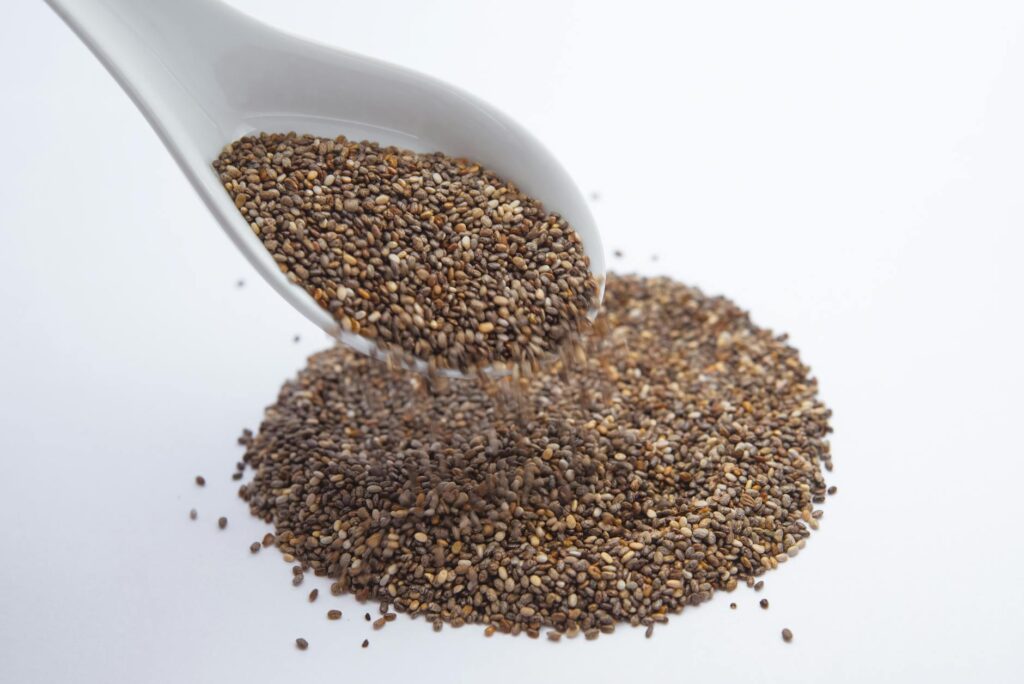
Complete Overview of Chia Seeds
Introduction
Chia seeds have gained substantial attention in the global food market for their nutritional benefits and versatility. Derived from the Salvia hispanica plant, these tiny, dark seeds are packed with nutrients, making them a popular ingredient in various dietary practices. This article aims to provide a comprehensive overview of chia seeds, exploring their history, production, uses, and more.
What Are Guides?
In the context of food ingredients, “Guides” refers to extensive resources that offer in-depth information about specific ingredients. These guides serve to educate consumers, chefs, and food industry professionals about the characteristics, benefits, and practical applications of various food items. They help demystify ingredients, allowing for informed choices in procurement, preparation, and consumption.
History and Origins
Chia seeds trace their origins back to the ancient civilizations of Central America, particularly the Aztecs and Mayans. These cultures revered chia seeds not only as a food source but also for their medicinal properties. The word “chia” comes from the Nahuatl word “chian,” meaning oily, which refers to the seeds’ high fat content.
Historically, chia seeds were used as a staple food, often consumed on their own or ground into a flour. They were also utilized as a source of energy by warriors and messengers due to their high nutritional profile. Following the Spanish Conquest in the 16th century, the cultivation of chia seeds declined, overshadowed by the introduction of wheat and other grains. It wasn’t until the late 20th century that chia seeds experienced a revival, largely due to the growing interest in superfoods.
Production and Processing
Chia seeds are primarily cultivated in regions with warm climates, such as Mexico, Argentina, and Australia. The chia plant thrives in well-drained soil and requires minimal maintenance, making it an attractive crop for farmers. The seeds are typically harvested in late summer when the flowers bloom and the seeds are mature.
After harvesting, the seeds undergo a cleaning process to remove any foreign materials. They are then dried to reduce moisture content, which is crucial for extending shelf life. The seeds can be sold whole, ground into flour, or processed into oil, depending on market demand.
Quality control is vital during the production process. Producers must adhere to stringent agricultural and processing standards to ensure the seeds’ safety and nutritional quality. This includes testing for contaminants and ensuring that the seeds are free from pesticides and other harmful substances.
Quality and Grading
Quality and grading of chia seeds are essential factors in determining their market value and consumer satisfaction. Factors that influence quality include seed size, color, and moisture content. High-quality chia seeds are typically small, uniform in size, and have a glossy, dark appearance.
Grading systems vary by region, but common categories include:
1. Extra Grade: These seeds are the highest quality, characterized by their uniformity and minimal defects.
2. Standard Grade: These seeds may have slight variations in size and color but remain suitable for consumption.
3. Food Grade: These seeds meet basic safety standards but may have imperfections.
When purchasing chia seeds, consumers should look for certifications or labels indicating adherence to quality standards, such as organic certification or non-GMO status.
Buying Considerations
When selecting chia seeds, several considerations come into play:
1. Type: Chia seeds are available in black and white varieties. While both types offer similar nutritional benefits, some consumers may prefer one over the other based on aesthetic or flavor preferences.
2. Source: Opt for seeds that are sourced from reputable suppliers. Organic chia seeds are often considered preferable due to the absence of synthetic pesticides and fertilizers.
3. Packaging: Look for seeds sold in airtight packaging to ensure freshness and extend shelf life. Bulk purchases may offer cost savings, but ensure that the seeds are stored properly to avoid spoilage.
4. Price: Prices for chia seeds can vary significantly based on quality, sourcing, and packaging. While it may be tempting to opt for cheaper options, investing in high-quality seeds can enhance the overall culinary experience.
5. Certifications: Certifications such as organic, fair trade, or gluten-free can provide additional assurance of quality and ethical sourcing.
Uses and Applications
Chia seeds are incredibly versatile and can be incorporated into various culinary applications. Their unique ability to absorb water and form a gel-like consistency makes them an ideal thickening agent in recipes. Here are some common uses:
- Beverages: Chia seeds are commonly added to smoothies, juices, and health drinks for an added nutritional boost.
- Baking: Ground chia seeds can be used as a gluten-free flour alternative or added to baked goods for enhanced texture and nutrition.
- Puddings: Chia seed puddings are a popular health snack that utilizes the seeds’ gelling properties when combined with liquid.
- Toppings: Whole chia seeds can be sprinkled over salads, yogurt, or oatmeal for added crunch and nutritional benefits.
- Binding Agent: In vegan cooking, chia seeds can serve as an egg substitute when mixed with water, making them useful in various plant-based recipes.
Storage and Shelf Life
Proper storage of chia seeds is crucial to maintain their quality and nutritional value. They should be kept in a cool, dry place, away from direct sunlight. Airtight containers are recommended to prevent moisture and air exposure, which can lead to rancidity.
Under optimal storage conditions, whole chia seeds can last for up to two years. Ground chia seeds have a shorter shelf life and should ideally be consumed within six months to a year to retain their freshness and nutritional integrity.
Common Misconceptions
Despite their popularity, there are several misconceptions about chia seeds:
1. Chia Seeds Are a Complete Protein: While chia seeds are a good source of protein, they