
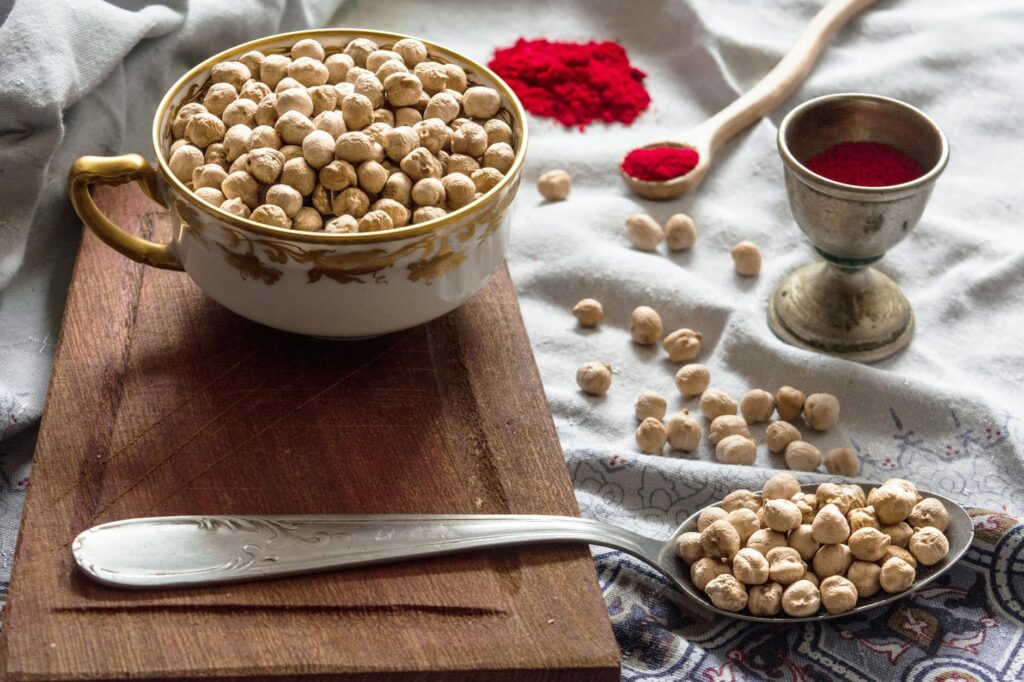
Complete Overview of Chickpeas
Introduction
Chickpeas, also known as garbanzo beans, are one of the most versatile and nutritious legumes found globally. With a rich history and diverse culinary applications, chickpeas have carved a significant niche in both traditional and modern cuisines. This article provides a comprehensive overview of chickpeas, covering their history, production, quality grading, purchasing considerations, uses, storage, and common misconceptions.
What Is Guides?
In the context of food ingredients, “Guides” serve as structured informational resources that educate consumers and culinary professionals about specific ingredients. These guides delve into the multifaceted aspects of each ingredient, including its characteristics, nutritional value, and culinary applications. The purpose is to empower individuals with knowledge that enhances their cooking and eating experiences.
History and Origins
Chickpeas are believed to have originated in the Middle East, with archaeological evidence dating back to around 7,500 years ago. They are among the oldest cultivated legumes, with significant historical importance in various ancient civilizations.
In ancient Egypt, chickpeas were valued not only as a food source but also for their potential medicinal properties. They spread through trade routes to Greece, Rome, and eventually throughout Europe and Asia, where they became integral to local diets.
Today, chickpeas are cultivated in many countries, with India being the largest producer, followed by countries like Turkey, Pakistan, and Iran. Their adaptability to different climates and soils has contributed to their widespread cultivation and popularity.
Production and Processing
Chickpeas are typically grown in warm, semi-arid climates. They thrive in well-drained soil and require minimal water, making them an eco-friendly crop. The primary cultivars of chickpeas include Desi and Kabuli. Desi chickpeas are smaller, darker, and have a rough coat, while Kabuli chickpeas are larger, lighter in color, and possess a smoother texture.
Once harvested, chickpeas undergo processing that may include drying, sorting, and packaging. Dried chickpeas are often preferred for their longer shelf life and versatility. They can also be found canned or frozen, providing convenience for consumers.
The processing methods aim to maintain the nutritional profile of the chickpeas while ensuring they are safe for consumption. Proper handling during production is crucial to prevent contamination and preserve quality.
Quality and Grading
The quality of chickpeas is assessed through several parameters, including size, color, and moisture content. Grading systems may vary by country, but generally, they categorize chickpeas into different grades based on these characteristics.
Higher-grade chickpeas are typically larger, uniform in size, and exhibit minimal blemishes. The moisture content is also an important consideration, as it affects shelf life and cooking quality. For instance, chickpeas with a moisture content above 14% may be prone to spoilage.
Consumers should look for well-packaged chickpeas, whether dried or canned, to ensure quality. Checking for certifications, such as organic or non-GMO, can also signify quality assurance.
Buying Considerations
When purchasing chickpeas, several factors should be considered to ensure optimal quality and freshness:
Type
Decide whether to buy dried, canned, or frozen chickpeas based on your cooking needs. Dried chickpeas require soaking and longer cooking times but offer a more robust flavor. Canned chickpeas are convenient and ready to use but may contain added sodium.
Brand Reputation
Opt for reputable brands that prioritize quality control and sourcing practices. Reading reviews or seeking recommendations can guide you toward reliable options.
Packaging
Inspect packaging for any signs of damage or compromise. For dried chickpeas, airtight packaging is a must to prevent moisture absorption. Canned chickpeas should have intact seals and no bulging or rust.
Nutritional Information
Check the nutritional labels, especially for canned chickpeas, where added ingredients like salt or preservatives may affect health preferences.
Uses and Applications
Chickpeas are celebrated for their versatility in both savory and sweet dishes. Their unique texture and flavor make them suitable for various culinary applications:
Culinary Uses
- Salads: Chickpeas can add protein and texture to salads, enhancing both flavor and nutritional value.
- Soups and Stews: They serve as a hearty ingredient in soups, providing a satisfying base.
- Hummus: Perhaps the most famous chickpea dish, hummus is a creamy spread made from blended chickpeas, tahini, olive oil, and spices.
- Snacks: Roasted chickpeas offer a crunchy, nutritious snack option that can be seasoned in various ways.
- Baking: Chickpea flour, made from ground dried chickpeas, is used in gluten-free baking and traditional dishes like socca and besan chilla.
Nutritional Benefits
Chickpeas are rich in protein, dietary fiber, and essential vitamins and minerals, making them an excellent addition to a balanced diet. They provide a plant-based protein source, making them especially popular among vegetarians and vegans.
Storage and Shelf Life
The storage of chickpeas significantly affects their longevity and cooking quality.
Dried Chickpeas
Dried chickpeas should be stored in a cool, dry place, ideally in airtight containers to prevent moisture absorption and pest intrusion. When stored properly, they can last for several years, though they are best used within 1-2 years for optimal flavor and texture.
Canned Chickpeas
Canned chickpeas can be stored at room temperature until opened. Once opened, they should be refrigerated in a sealed container and consumed within 3-5 days. Always check the expiration date on canned products to ensure freshness.
Frozen Chickpeas
Frozen chickpeas maintain their quality for about 6-12 months. They should be stored in airtight bags or containers to prevent freezer burn.
Common Misconceptions
Myth: Chickpeas Are Only for Vegetarian Dishes
Chickpeas are incredibly versatile