
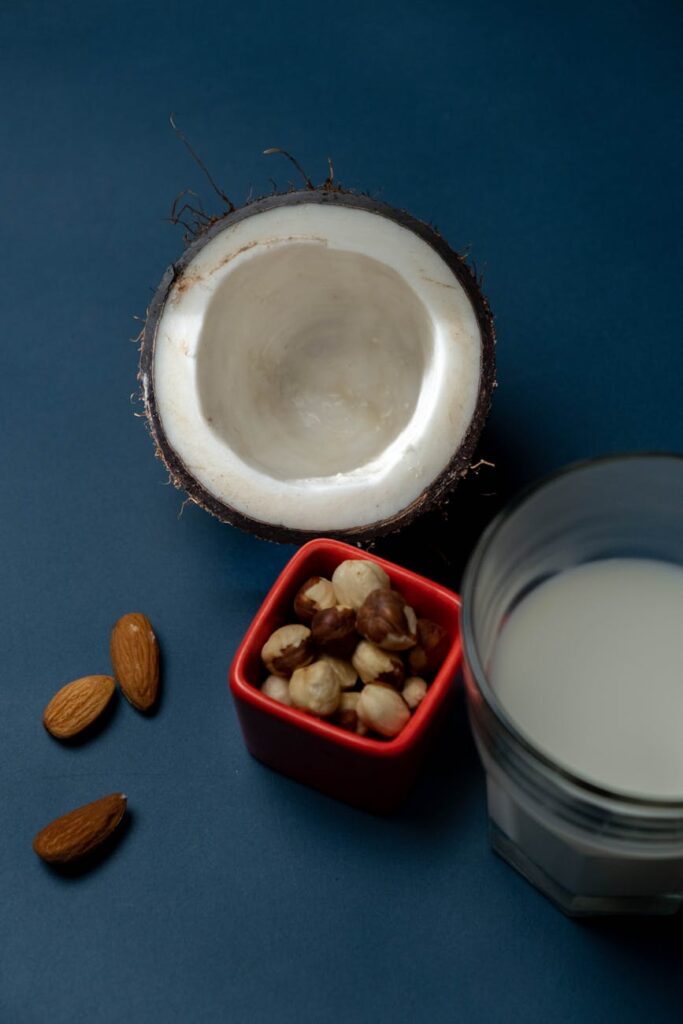
Complete Overview of Coconut Milk
Introduction
Coconut milk, a creamy and flavorful liquid derived from the flesh of mature coconuts, has become a staple in numerous cuisines around the globe. Known for its versatility and rich texture, it is used in both sweet and savory dishes, providing a unique flavor that enhances culinary experiences. This article offers a comprehensive overview of coconut milk, covering its history, production methods, quality standards, and various applications, along with common misconceptions and frequently asked questions.
What Is Guides?
In the context of culinary ingredients, “guides” are comprehensive resources that provide essential information, practical tips, and insights about specific ingredients. Guides aim to educate consumers, chefs, and food enthusiasts on various aspects, including selection, preparation, storage, and application of the ingredient in different culinary contexts. The “Complete Overview of Coconut Milk” serves as a guide to understanding this beloved ingredient and its role in global cuisine.
History and Origins
The coconut palm (Cocos nucifera) is believed to have originated in Southeast Asia and the Indian subcontinent. Archaeological evidence suggests that coconuts have been cultivated for over 4,500 years. The use of coconut in cooking has deep cultural roots, particularly in tropical regions where coconuts thrive.
Historically, coconut milk was used in Southeast Asian, Indian, and Pacific Island cuisines, often employed in curries, desserts, and beverages. Its creamy texture and rich flavor made it a favorite among indigenous peoples, who utilized every part of the coconut palm for food, tools, and construction. As trade routes expanded, coconut milk found its way into various culinary traditions worldwide, adapting to local flavors and cooking methods.
Production and Processing
Coconut milk is produced by grating the white flesh of mature coconuts and mixing it with water. The process typically involves the following steps:
1. Harvesting: Mature coconuts are harvested, usually from tall coconut palms. The best coconuts for milk production are those that are fully ripe.
2. Grating: The flesh of the coconut is grated to increase the surface area for extraction. This step is crucial for maximizing the yield of coconut milk.
3. Mixing and Straining: The grated coconut is mixed with warm water to extract the oils and flavors. This mixture is then strained through a cheesecloth or fine sieve to separate the liquid from the solids. The resulting liquid is coconut milk.
4. Processing: Depending on the intended use, the coconut milk may undergo additional processing, such as pasteurization or homogenization, to enhance flavor and extend shelf life.
Coconut milk can be categorized into two types: thick and thin. Thick coconut milk is obtained from the first pressing of grated coconut, while thin coconut milk comes from the subsequent pressings with more water.
Quality and Grading
The quality of coconut milk can vary based on several factors, including the source of the coconuts, the processing methods employed, and the presence of additives. When evaluating coconut milk, consider the following attributes:
1. Color and Consistency: High-quality coconut milk should have a creamy white color and a smooth consistency. It should not appear watery or overly separated.
2. Flavor: Fresh coconut milk has a sweet, slightly nutty flavor. It should not have sour or rancid notes, which can indicate spoilage or poor processing.
3. Ingredients: Check the label for additional ingredients. Premium coconut milk often contains no preservatives, emulsifiers, or artificial flavors.
4. Packaging: Coconut milk is available in various forms, including canned, bottled, or carton. Canned coconut milk is often more concentrated and richer than its carton counterparts.
5. Organic Certification: If possible, choose organic coconut milk to ensure that it is free from pesticides and chemicals.
Buying Considerations
When purchasing coconut milk, several factors should be taken into account to ensure you select the best product for your needs:
1. Type of Coconut Milk: Determine whether you need thick or thin coconut milk based on your intended use. Thick coconut milk is ideal for curries and desserts, while thin coconut milk is suitable for soups and beverages.
2. Brand Reputation: Research brands and read consumer reviews to identify reputable manufacturers known for quality products.
3. Price: While price is an important consideration, it should not be the sole factor. Often, higher-quality coconut milk may come at a premium, but the flavor and texture in your dishes will be worth the investment.
4. Sustainability: Investigate the sourcing practices of brands. Sustainable coconut farming benefits local communities and the environment.
5. Nutritional Value: Review the nutritional information provided on the packaging. Coconut milk can vary in fat content, so if you have dietary preferences, select accordingly.
Uses and Applications
Coconut milk is an incredibly versatile ingredient, used in a wide variety of culinary applications:
1. Culinary Uses: In Southeast Asian cuisines, coconut milk is a base for curries, soups, and sauces. In Indian cooking, it is often added to dishes like korma and payasam. It lends a rich flavor to Thai dishes, such as Tom Kha Gai (coconut soup).
2. Beverages: Coconut milk can be used to create refreshing beverages, such as smoothies or cocktails. It also serves as a dairy alternative in coffee and tea.
3. Desserts: In desserts, coconut milk is often used to create creamy puddings, ice creams, and cakes. It is a key ingredient in many traditional sweets across Asia.
4. Dairy Alternatives: Due to its creamy texture, coconut milk is a popular dairy substitute for vegan and lactose-intolerant consumers. It can be used in cooking and baking as