
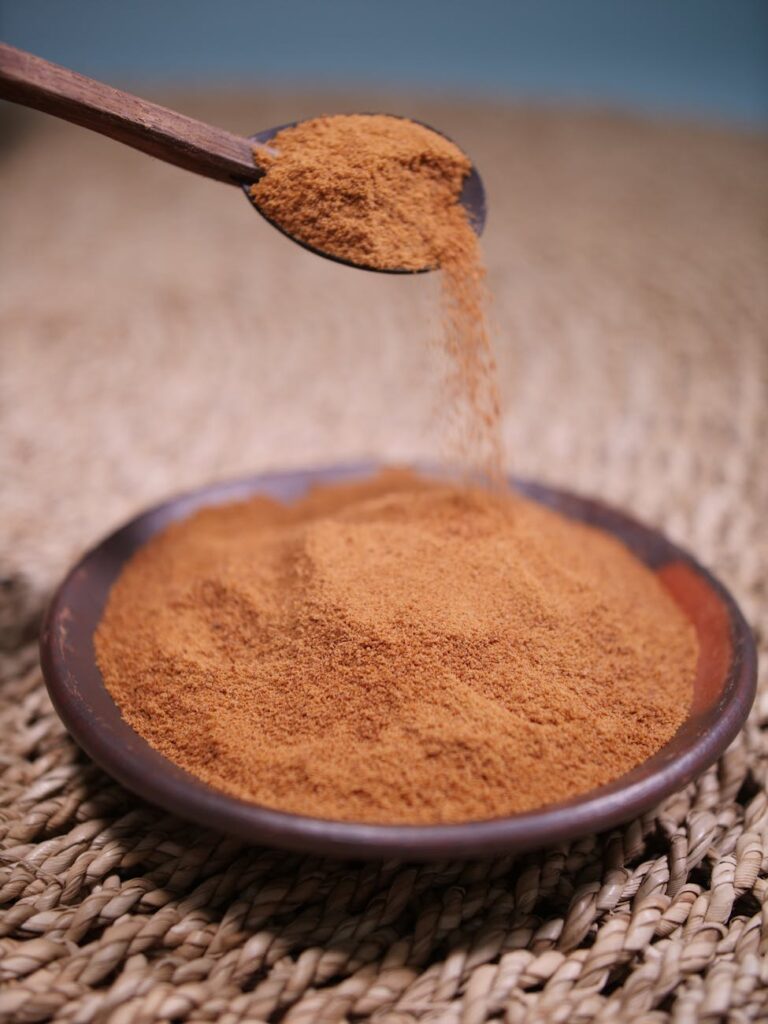
Complete Overview of Coconut Sugar
Introduction
Coconut sugar, derived from the sap of the coconut palm tree, has gained significant popularity in recent years as a natural sweetener. Favored for its unique flavor profile and perceived health benefits, it has become a staple in many kitchens around the world. This comprehensive overview delves into the multifaceted aspects of coconut sugar, from its historical roots to its production processes, quality considerations, and practical applications.
What Is Coconut Sugar?
Coconut sugar, also known as coconut palm sugar, is an organic sweetener made from the sap of the flower buds of the coconut palm. This natural sweetener is primarily composed of sucrose, with smaller amounts of glucose and fructose. It is often touted for its lower glycemic index compared to regular sugar, along with its mineral content, including iron, zinc, calcium, and potassium. The distinct caramel flavor and earthy undertones make coconut sugar an appealing alternative to refined sugars in various culinary applications.
History and Origins
The use of coconut sugar dates back thousands of years, with its origins traced to Southeast Asia, where it has been an integral part of local diets and culinary traditions. Countries such as the Philippines, Indonesia, and Thailand have long utilized coconut sugar in their cuisines. Historically, the process of harvesting and processing coconut sugar was a communal activity, deeply embedded in the culture and livelihoods of local populations. As globalization has increased, coconut sugar has emerged as a popular alternative sweetener in Western countries, appealing to health-conscious consumers and those seeking natural alternatives to processed sugars.
Production and Processing
The production of coconut sugar involves several meticulous steps, beginning with the harvesting of the sap from coconut flower buds. This sap, known as “toddy” or “tuba,” is collected early in the morning when the sap is at its peak. The sap is then heated to evaporate the water content, typically in large, shallow pots. As the water evaporates, the sap thickens and crystallizes, eventually forming the granulated coconut sugar that is familiar to consumers.
The entire process is labor-intensive, requiring skilled artisans to ensure quality and flavor. Unlike refined sugars, which undergo extensive processing and chemical treatments, coconut sugar retains many of its natural nutrients and flavors, making it a more wholesome alternative.
Quality and Grading
Coconut sugar quality can vary significantly based on factors such as the harvesting method, processing techniques, and geographical origin. High-quality coconut sugar is typically characterized by its rich caramel color, fine granules, and a distinct aroma.
Grading systems for coconut sugar may differ by region, but they often categorize the product based on factors such as color, texture, and taste. Premium grades tend to have a more complex flavor profile and a more appealing appearance, while lower grades may exhibit a darker color and a more pronounced burnt flavor.
When purchasing coconut sugar, consumers should look for organic certifications and ensure that the product is sourced from reputable producers to guarantee quality and sustainability.
Buying Considerations
When selecting coconut sugar, several factors should be considered to ensure the best quality and flavor:
1. Origin: Look for coconut sugar sourced from regions known for traditional production methods, such as Southeast Asia. This often indicates higher quality.
2. Processing Method: Prefer minimally processed coconut sugar that does not contain additives or preservatives. Organic certifications are also a good indicator of quality.
3. Texture and Color: Opt for a light to medium brown color, which indicates a balanced flavor. Very dark coconut sugar may suggest excessive caramelization or inferior quality.
4. Packaging: Choose products that are well-packaged to prevent moisture absorption, which can lead to clumping and spoilage.
5. Flavor Profile: Familiarize yourself with different brands, as flavor profiles can vary. Some coconut sugars may have a more robust caramel flavor, while others may be milder.
Uses and Applications
Coconut sugar’s versatility makes it suitable for a wide range of culinary applications. It can be used as a direct substitute for refined sugars in many recipes, including:
1. Baking: Ideal for cookies, cakes, and pastries, where its caramel-like flavor can enhance the overall taste.
2. Beverages: A popular choice for sweetening coffee, tea, smoothies, and other beverages.
3. Savory Dishes: Adds depth to marinades, sauces, and dressings, particularly in Asian cuisine.
4. Confectionery: Suitable for homemade candies and desserts, where its unique flavor can shine.
5. Breakfast Foods: A natural choice for sweetening oatmeal, yogurt, or breakfast bowls.
Coconut sugar can be substituted for other sweeteners at a 1:1 ratio, although adjustments may be necessary based on the specific recipe due to its moisture content.
Storage and Shelf Life
Proper storage of coconut sugar is essential to maintain its freshness and quality. It should be kept in a cool, dry place, away from direct sunlight and moisture. Airtight containers are recommended to prevent clumping and maintain the sugar’s granulated texture.
When stored correctly, coconut sugar can last for several months to a year without significant loss of flavor or quality. However, if exposed to moisture, it can clump together, making it difficult to use. If this occurs, the sugar can be broken apart with a fork or spoon.
Common Misconceptions
1. Coconut Sugar Is Calorie-Free: While coconut sugar is often marketed as a healthier alternative, it still contains calories and should be consumed in moderation.
2. Coconut Sugar Is a Health Food: Though it contains some minerals and has a lower glycemic index compared to refined sugar, it is still a form of sugar and should not be classified as a health food.
3. All Coconut Sugar Is Created Equal: Quality can vary greatly among different brands and sources, with