
Complete Overview of Dulse
Introduction
Dulse, scientifically known as Palmaria palmata, is a type of red seaweed that has garnered attention for its unique flavor, nutritional benefits, and versatile culinary applications. Found along the rocky coastlines of the North Atlantic and North Pacific Oceans, dulse has been harvested for centuries, particularly in regions like Ireland, Canada, and parts of Scandinavia. This article aims to provide a comprehensive overview of dulse, covering its history, production, uses, and more, making it a valuable resource for those interested in this remarkable ingredient.
What Is Dulse?
Dulse is a type of red alga classified under the family Palmariaceae. Its distinctive reddish-purple hue, chewy texture, and umami flavor profile set it apart from other seaweeds. While it can be consumed fresh, it is often found in dried form, which enhances its flavor and prolongs its shelf life. Dulse is often recognized for its high nutritional content, including vitamins, minerals, and essential amino acids, making it a popular addition to various diets.
History and Origins
The historical significance of dulse dates back to ancient times. Evidence suggests that the harvesting and consumption of dulse have been practiced for over a thousand years. In Ireland, it was traditionally gathered by hand during low tide, often eaten raw, dried, or cooked. The seaweed was a staple food for coastal communities and was even used as a source of sustenance during harsh winters.
In North America, particularly in the Maritime provinces of Canada, dulse has maintained its cultural relevance. Indigenous peoples have utilized dulse not only as a food source but also as a trade item. With the rise of health consciousness in the 20th and 21st centuries, dulse has gained global recognition as a superfood, leading to increased interest in its culinary potential.
Production and Processing
The production of dulse involves several steps, from harvesting to processing. Dulse is typically collected by hand or using specialized equipment during low tide. It thrives in nutrient-rich waters, making regions like the coasts of Maine, Newfoundland, and the Scottish Isles prime harvesting locations.
Once harvested, dulse is thoroughly washed to remove any sand or debris. Depending on the intended use, it can be processed in various ways:
1. Drying: This is the most common method, where dulse is dehydrated to enhance its flavor and preserve its nutritional properties. Dried dulse can be stored for extended periods without losing its quality.
2. Grinding: For convenience, dried dulse is sometimes ground into a powder, making it easy to incorporate into various dishes.
3. Packaging: Dulse can be sold in bulk or packaged for retail, often vacuum-sealed to maintain freshness.
Quality and Grading
The quality of dulse is determined by several factors, including the harvesting method, freshness, and processing techniques. High-quality dulse should have a vibrant color, a pleasant aroma, and a chewy texture.
Grading typically considers the following aspects:
- Color: Bright red to deep purple hues are indicative of high-quality dulse.
- Texture: Freshness is reflected in the texture; it should be supple and not overly brittle.
- Taste: A well-cured dulse will have a rich, umami flavor without any off-putting bitterness.
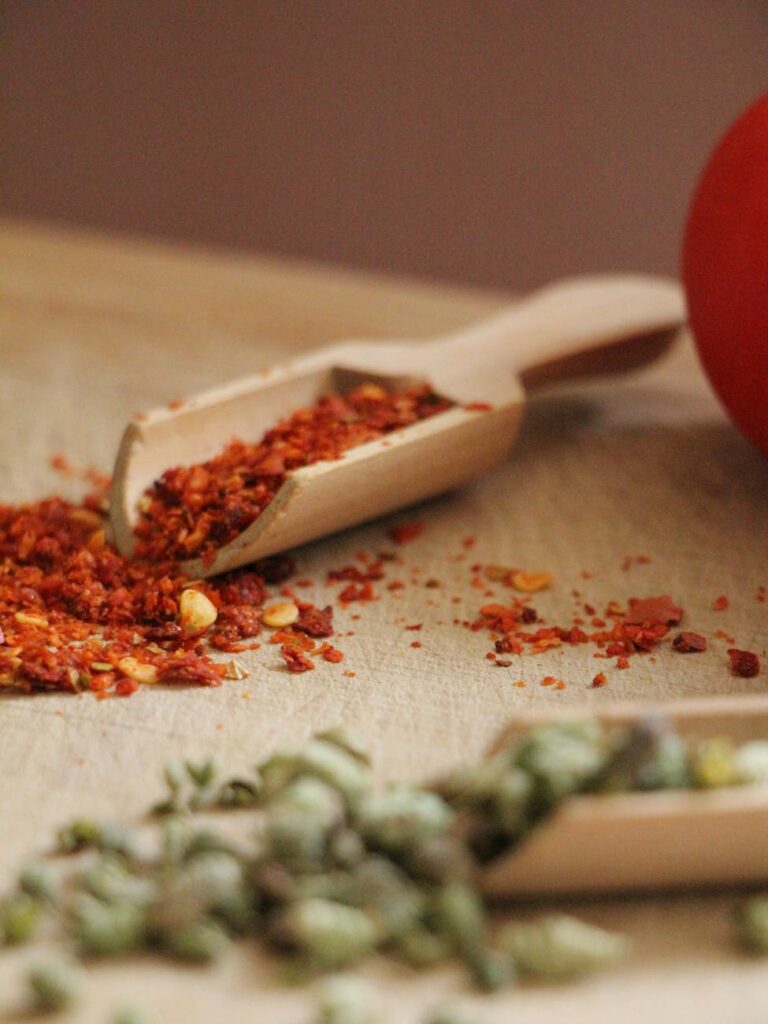
- Seasoning: Dulse flakes can be used as a seasoning for soups, salads, and roasted vegetables, adding a unique umami flavor.
- Snacking: Dried dulse can be eaten as a healthy snack on its own or combined with nuts and seeds for a nutritious trail mix.
- Garnishing: Whole dulse leaves can be used as a garnish for seafood dishes or incorporated into sushi rolls for added flavor.
- Smoothies and Bowls: Ground dulse can be added to smoothies or grain bowls for a nutrient boost.
- Cultural Dishes: In regions where dulse is traditionally consumed, it is often incorporated into local dishes, such as stews and breads.
- Dried Dulse: Store in an airtight container in a cool, dark place. When properly stored, dried dulse can last for up to 12 months without significant loss of flavor or nutritional value.
- Fresh Dulse: If purchased fresh, it should be refrigerated and consumed within a few days to ensure optimal freshness.
- Freezing: Dulse can also be frozen, although this may alter its texture. If freezing, ensure it is well-packaged to prevent freezer burn.
In commercial settings, dulse is often subjected to quality control measures to ensure it meets industry standards, which can include laboratory testing for contaminants and nutritional analysis.
Buying Considerations
When purchasing dulse, several factors should be considered to ensure optimal quality:
1. Form: Dulse is available in various forms, including whole leaves, flakes, and powders. The choice depends on intended use; whole leaves may be ideal for salads, while flakes are suitable for seasoning.
2. Source: Look for dulse harvested from clean, sustainable waters. Certifications such as organic or sustainably sourced can provide assurance regarding environmental practices.
3. Packaging: Opt for products that are vacuum-sealed or packaged in opaque containers to minimize exposure to light and moisture, both of which can degrade quality.
4. Expiration Date: Always check the expiration date to ensure freshness and quality.
5. Brand Reputation: Research brands that are known for their commitment to quality. Customer reviews and product certifications can be helpful.
Uses and Applications
Dulse is an incredibly versatile ingredient with a range of culinary applications:
Its unique flavor profile pairs well with a variety of ingredients, making it a favorite among chefs and home cooks alike.
Storage and Shelf Life
Proper storage is crucial for maintaining the quality of dulse. Here are some key points: