
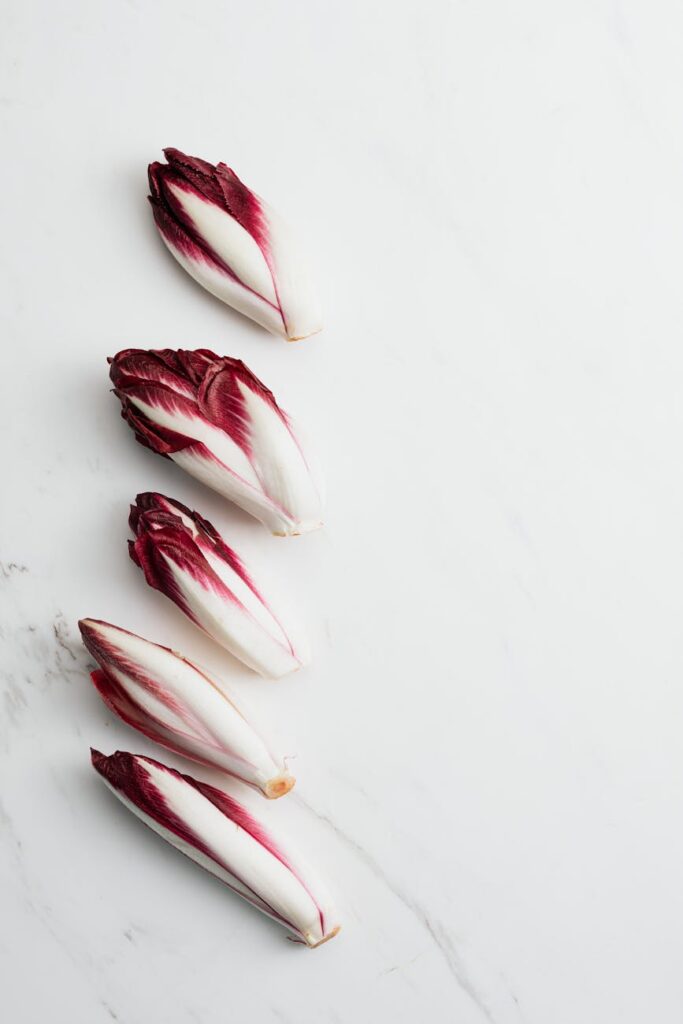
Complete Overview of Endive
Introduction
Endive, a leafy green vegetable belonging to the chicory family, has become a staple in kitchens and restaurants worldwide. Known for its slightly bitter flavor and crisp texture, endive is appreciated for its versatility in a variety of dishes, ranging from salads to appetizers. This guide aims to provide a comprehensive overview of endive, covering its history, production, quality grading, and much more.
What Is Endive?
Endive refers to two main varieties: Belgian endive and curly endive (also known as frisée). Both types are characterized by their unique appearances and flavor profiles. Belgian endive features a cylindrical shape with tightly packed, pale leaves, while curly endive has a frilly texture and a more robust green color. Both varieties are commonly used in salads but can also be grilled, sautéed, or used as a vessel for various fillings.
Nutritional Profile
Endive is low in calories and high in dietary fiber, making it an excellent addition to a balanced diet. It contains essential vitamins and minerals such as vitamin A, vitamin K, and folate, contributing to its popularity among health-conscious consumers. The vegetable’s slight bitterness is attributed to its high levels of antioxidants, which can provide various health benefits.
History and Origins
Endive has a rich history that dates back to ancient times. Its origins can be traced to the Mediterranean region, where it was cultivated by the ancient Egyptians and later adopted by the Greeks and Romans. The plant was initially used for its medicinal properties before becoming a culinary staple.
Belgian endive, in particular, has a unique story. It was discovered in the early 19th century in Belgium when a farmer accidentally found that the roots of endive could be forced to produce tender, pale leaves in a dark environment. This method of cultivation gave rise to the Belgian variety, which has since gained international acclaim.
Production and Processing
Cultivation
Endive is typically grown in well-drained, fertile soil with plenty of sunlight. It thrives in cooler climates, making it a popular crop in regions such as Europe and North America. The cultivation process begins with sowing seeds, followed by careful watering and pest management to ensure healthy growth.
Harvesting
Harvesting endive requires precision. The plants are typically ready for harvest about 90 days after planting. For Belgian endive, the roots are harvested and then forced in a dark environment to produce the tender leaves. Curly endive is harvested when the leaves are crisp and vibrant green.
Processing
Once harvested, endive is often washed and trimmed to remove any damaged or discolored leaves. It is then packaged for distribution. In some cases, endive may undergo blanching to reduce its bitterness and enhance its color.
Quality and Grading
The quality of endive is determined by several factors, including appearance, texture, and flavor. High-quality endive should have vibrant leaves that are crisp and free from blemishes. The grading process typically involves assessing the size, shape, and overall freshness of the product.
In commercial markets, endive is often classified into various grades, with Grade A representing the highest quality. Consumers are encouraged to look for tightly packed leaves and a firm, crisp texture when selecting endive, as these characteristics indicate freshness.
Buying Considerations
When purchasing endive, several factors should be considered to ensure the best quality:
1. Variety: Decide whether you need Belgian or curly endive, depending on your culinary needs.
2. Freshness: Look for leaves that are crisp and vibrant in color. Avoid any that are wilted, discolored, or excessively bruised.
3. Organic vs. Conventional: Consider whether you prefer organic endive, which is grown without synthetic pesticides or fertilizers.
4. Seasonality: Endive is typically in season during the cooler months, from late fall through early spring. Buying in-season produce can enhance flavor and freshness.
5. Source: Opt for locally sourced endive when possible to support local farmers and reduce environmental impact.
Uses and Applications
Endive’s versatility allows it to feature prominently in various culinary applications. It is commonly used in salads, providing a crunchy texture and a slightly bitter flavor that balances well with sweet or acidic dressings.
Beyond salads, endive can be roasted, grilled, or sautéed, allowing its flavor to mellow and develop sweetness. It is also a popular choice for stuffing or serving as a base for appetizers, as its sturdy leaves can hold fillings well.
Pairing Suggestions
Endive pairs well with a range of ingredients, including:
- Fruits: Apples, pears, and citrus fruits can complement the bitterness of endive.
- Cheeses: Soft cheeses like goat cheese or blue cheese are excellent choices for their creamy textures.
- Nuts: Walnuts and almonds add a delightful crunch and contrast.
- Dressing: Light vinaigrettes, particularly those with citrus or vinegar, enhance the flavor profile of endive dishes.
- Endive is the same as escarole: While both belong to the chicory family, they are distinct varieties. Escarole is broader and has a milder flavor compared to the bitterness of endive.
Storage and Shelf Life
To maximize shelf life, endive should be stored in the refrigerator, ideally in a vegetable crisper drawer. It is best to keep it unwashed until ready to use, as moisture can lead to spoilage. Properly stored, endive can last up to a week, though it is best consumed fresh for optimal flavor and texture.
If you notice wilting, you can revive endive by placing it in a bowl of ice water for a short time. However, be mindful that excessive moisture can lead to faster spoilage.
Common Misconceptions
Despite its popularity, several misconceptions about endive exist: