
Complete Overview of Fennel Sausage
Introduction
Fennel sausage is a unique and flavorful type of sausage that incorporates fennel seeds, imparting a distinctive anise-like flavor profile. This ingredient has gained popularity across various cuisines, particularly in Italian and Mediterranean dishes. This comprehensive overview delves into the nuances of fennel sausage, exploring its history, production, quality considerations, and culinary applications.
What Is Fennel Sausage?
Fennel sausage refers to a type of sausage that prominently features fennel seeds as a primary flavoring agent. These sausages can be made from a variety of meats, including pork, beef, and poultry, and are seasoned with a blend of spices that typically includes salt, pepper, and herbs. The inclusion of fennel seeds not only enhances the taste but also contributes aromatic qualities that elevate the overall sensory experience of the dish.
Fennel sausage can be categorized into different types, such as fresh, smoked, or cured, depending on the preparation methods and regional variations. Its versatility allows it to be used in various culinary applications, from grilling and roasting to inclusion in pasta dishes or as a pizza topping.
History and Origins
The use of fennel as a flavoring agent can be traced back to ancient civilizations, where it was valued not only for its culinary applications but also for its medicinal properties. The origins of fennel sausage are particularly notable in Italian cuisine, specifically in regions such as Tuscany and Emilia-Romagna.
In these areas, sausage-making is a traditional craft passed down through generations, with each family or butcher shop often having its own unique recipe. The combination of fennel with meat became a staple as it balanced the richness of fatty cuts, a common characteristic of Italian sausages. As global culinary practices evolved, fennel sausage began to gain recognition beyond Italy, making its way into various international cuisines and adapting to local tastes.
Production and Processing
The production of fennel sausage involves several key steps, beginning with the selection of quality meat. Pork is the most commonly used meat, although other options like beef or turkey are also prevalent. The meat is typically coarsely ground to maintain texture.
Seasoning
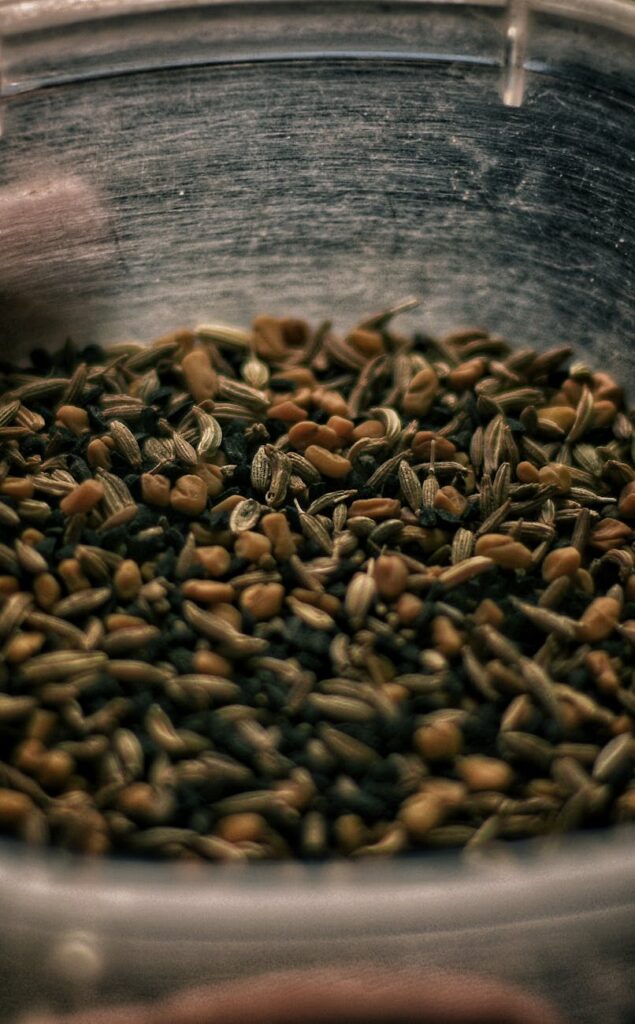
Once the meat is prepared, it is mixed with a blend of seasonings, including salt, ground black pepper, and fennel seeds. The type of fennel used may vary, with some producers opting for crushed seeds while others may use whole seeds for a more pronounced texture and flavor.
Stuffing
The seasoned meat mixture is then stuffed into casings, which can be natural (derived from animal intestines) or synthetic. The choice of casing affects the texture and flavor of the final product. Natural casings often impart a more traditional taste and allow for better moisture retention.
Curing and Smoking
Depending on the desired characteristics of the fennel sausage, additional steps such as curing and smoking may be applied. Curing involves the use of salt and other preservatives to enhance shelf life and flavor. Smoking adds a layer of complexity, introducing a smokey aroma that complements the anise notes of fennel.
Aging
Some fennel sausages are allowed to age, particularly those intended for dry curing. This aging process contributes to the development of flavors and textures, often resulting in a firmer sausage that can be sliced thinly.
Quality and Grading
The quality of fennel sausage can vary significantly based on factors such as the quality of meat used, the balance of spices, and the production methods. When purchasing fennel sausage, consider the following quality indicators:
- Meat Source: High-quality sausage is typically made from fresh, ethically sourced meats. Look for sausages made from pasture-raised or organic animals.
- Seasoning Balance: The flavor profile should not be overwhelmed by fennel; instead, it should be a harmonious blend of meat and spices.
- Texture: A good fennel sausage should have a pleasing texture, neither too mushy nor overly dry. The bite should be firm yet tender.
- Appearance: The sausage should have a consistent color, free from any discoloration or off-putting visual cues.
- Packaging: For commercially produced sausages, packaging should be intact, and expiration dates should be verified.
- Freshness: Check the packaging date and ensure that the sausage is within its shelf life.
- Ingredients: Always review the ingredient list. High-quality sausages will have minimal additives and preservatives.
- Local vs. Commercial: Many artisanal butchers produce exceptional fennel sausages that may offer superior quality compared to mass-produced options.
- Flavors: Fennel sausages can vary in flavor intensity. Some may have a stronger fennel presence, while others balance it with additional herbs and spices. Consider your personal taste preference.
- Dietary Restrictions: If you have dietary concerns, look for gluten-free options or check for allergens in the ingredients.
- Grilling and Roasting: Fennel sausage can be grilled or roasted, making it an excellent choice for barbecues or hearty dinners.
- Pasta Dishes: It can be crumbled and sautéed to create flavorful sauces for pasta, offering a distinctive twist to traditional recipes.
- Pizza Topping: Its robust flavor makes fennel sausage a popular topping for pizzas, adding depth and character.
- Breakfast Dishes: Often served as part of breakfast, fennel sausage pairs well with eggs, providing a savory start to the day.
- Charcuterie Boards: Sliced fennel sausage is an excellent addition to charcuterie boards, complementing cheeses and other
Buying Considerations
When looking to purchase fennel sausage, several factors should influence your decision:
Uses and Applications
Fennel sausage is a versatile ingredient that can be utilized in a variety of culinary applications: