
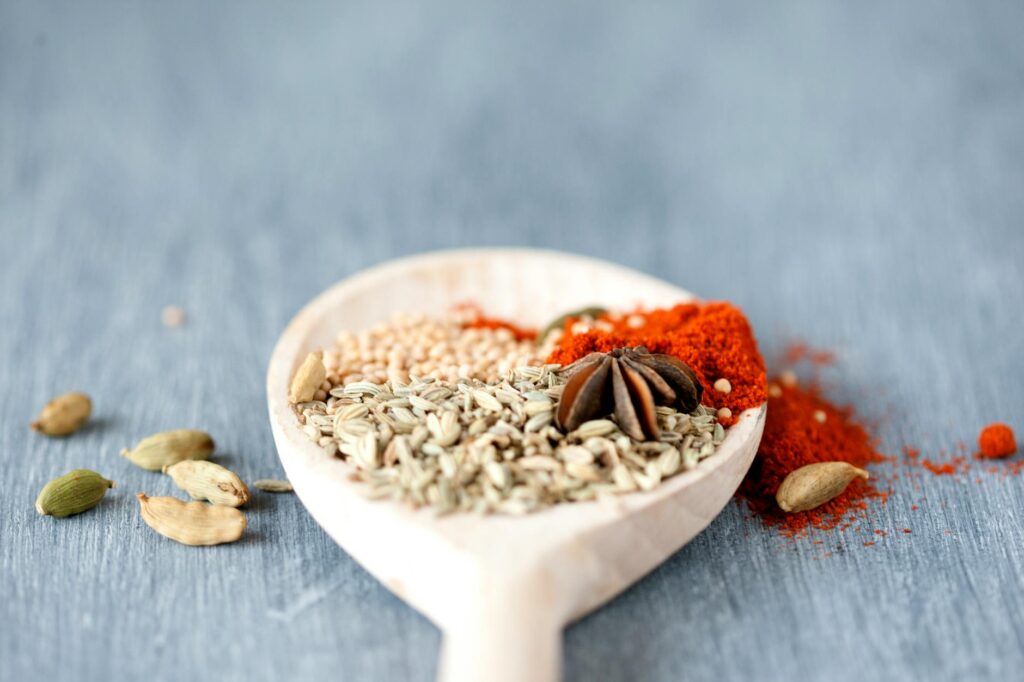
Complete Overview of Fennel Seeds
Introduction
Fennel seeds, the aromatic seeds of the fennel plant (Foeniculum vulgare), are celebrated for their distinctive flavor and culinary versatility. With a history steeped in both culinary and medicinal traditions, these seeds are a staple in various cuisines around the world. This comprehensive overview will explore the defining characteristics, historical significance, processing methods, quality standards, buying considerations, applications, storage tips, common misconceptions, and frequently asked questions about fennel seeds.
What Is Guides?
Guides in the context of culinary ingredients serve as comprehensive resources that provide essential information to consumers, chefs, and food enthusiasts. They encompass various aspects such as identification, sourcing, preparation, and utilization of specific ingredients. The purpose of such guides is not only to educate but also to inspire informed choices in the kitchen and beyond. In this overview, we delve into the myriad facets of fennel seeds, equipping readers with the knowledge needed to appreciate and effectively use this unique ingredient.
History and Origins
Fennel has a rich history that dates back thousands of years. Native to the Mediterranean region, it was utilized by the ancient Greeks and Romans, who valued its culinary and medicinal properties. The ancient Egyptians also recognized fennel’s significance, using it in their embalming practices and as a symbol of strength.
Throughout the Middle Ages, fennel seeds were employed as a remedy for various ailments, believed to offer protection and enhance vitality. The seeds were also used in traditional European cooking, particularly in dishes that required a touch of sweetness and anise-like flavor.
Over time, fennel spread to other parts of the world, including Asia and America. Today, it is cultivated in many countries, with India being one of the largest producers, and it remains an integral component in diverse global cuisines, from Indian curries to Italian sausages.
Production and Processing
Fennel seeds are harvested from the flowering parts of the fennel plant. The seeds are typically gathered when they are ripe, characterized by a brownish color and a distinct aroma. After harvesting, the seeds undergo a series of processing steps to ensure their quality and flavor.
1. Harvesting: The fennel plants are cut when the seeds turn brown and are then dried in the sun. This process enhances the seeds’ flavor and aroma.
2. Cleaning: Once dried, the seeds are cleaned to remove any impurities, such as dirt or plant debris.
3. Packaging: After cleaning, fennel seeds are packaged in airtight containers to preserve their freshness and prevent moisture absorption.
4. Quality Control: Throughout the production process, quality control measures are implemented to ensure that the seeds meet industry standards for flavor, aroma, and appearance.
Quality and Grading
The quality of fennel seeds is determined by several factors, including appearance, aroma, and flavor. Grading systems may vary by region, but certain characteristics are universally recognized as indicators of quality.
1. Appearance: High-quality fennel seeds are uniform in size and shape, with a glossy, dark brown exterior. Seeds that are shriveled or broken are typically of lower quality.
2. Aroma: Fresh fennel seeds emit a strong, sweet, and slightly licorice-like aroma. A diminished scent may indicate aging or improper storage.
3. Flavor: The flavor profile of fennel seeds should be sweet and mildly spicy, with a hint of anise. Taste testing is an essential part of the grading process.
4. Moisture Content: Low moisture content is crucial for preserving the seeds’ flavor and preventing spoilage. Quality control checks often include moisture level assessments.
5. Purity: High-quality fennel seeds are free from contaminants and foreign seeds, ensuring that consumers receive a pure product.
Buying Considerations
When purchasing fennel seeds, several factors should be taken into account to ensure optimal quality and flavor.
1. Source: Consider buying from reputable suppliers or specialty stores that focus on high-quality spices and herbs. This can often guarantee better freshness and flavor.
2. Packaging: Look for fennel seeds that are packaged in airtight containers, as exposure to air can lead to a loss of flavor and aroma.
3. Freshness: Check the packaging for a production or expiration date. Fresh seeds will yield better flavor and potency.
4. Form: Fennel seeds are available in whole or ground forms. Whole seeds retain their flavor longer, while ground seeds may offer convenience but can lose potency more quickly.
5. Organic Options: For those interested in organic products, many suppliers offer organic fennel seeds, which are grown without synthetic pesticides or fertilizers.
6. Price: While price can be an indicator of quality, it is essential to balance cost with the source and freshness of the product.
Uses and Applications
Fennel seeds are versatile ingredients used in numerous culinary applications. Their unique flavor profile makes them suitable for both savory and sweet dishes.
1. Culinary Uses: Fennel seeds are commonly used in spice blends, curries, marinades, and pickling mixtures. They are also integral to Italian sausage and various Mediterranean dishes.
2. Baking: These seeds can be added to baked goods, such as breads and pastries, to impart a subtle sweetness and aromatic complexity.
3. Beverages: Fennel seeds are often used in teas and infusions, appreciated for their soothing properties and pleasant taste.
4. Garnish: Whole fennel seeds can serve as a garnish, adding both aesthetic appeal and flavor to dishes.
5. Cultural Significance: In some cultures, fennel seeds are consumed as a digestive aid after meals, often served in restaurants as a palate cleanser.
Storage and Shelf Life
Proper storage is essential for