
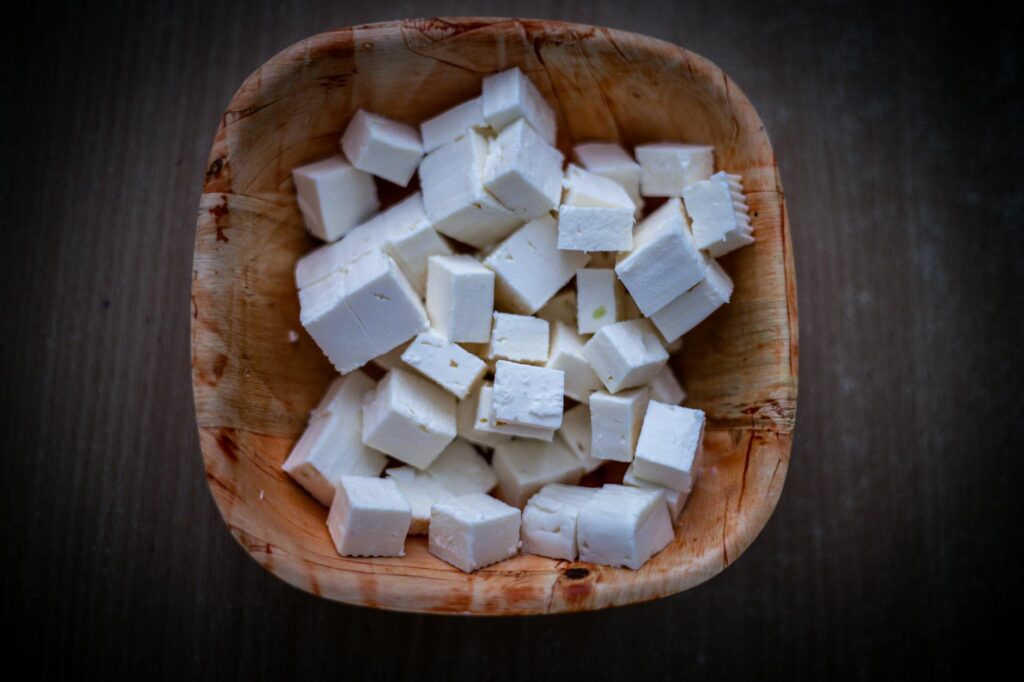
Complete Overview of Feta Cheese
Introduction
Feta cheese, a beloved staple of Mediterranean cuisine, is renowned for its distinct flavor, crumbly texture, and versatility. Originating from Greece, feta has garnered global acclaim, gracing tables and dishes across cultures. This comprehensive guide delves into the intricacies of feta cheese, exploring its history, production methods, quality grading, culinary applications, and more.
What Is Feta Cheese?
Feta cheese is a brined curd cheese traditionally made from sheep’s milk or a mixture of sheep and goat’s milk. Its origin can be traced back to ancient times, and it is characterized by a tangy, salty flavor and a crumbly texture. The name “feta” is derived from the Italian word “fetta,” meaning “slice,” referring to the way the cheese is cut and served. Feta is protected by a Designation of Origin status in the European Union, ensuring that only cheese made in specific regions of Greece can bear the name.
History and Origins
The history of feta cheese is deeply intertwined with Greek culture. Evidence suggests that cheese-making dates back over 6,000 years, and references to feta can be found in ancient Greek texts. Traditionally, feta was produced in the mountainous regions of Greece, where sheep farming was prevalent.
The cheese was initially made by nomadic shepherds who utilized the milk from their flocks. Over time, feta became a staple in Greek households and was integrated into various dishes, from salads to stews. Its significance extends beyond cuisine; feta has been an integral part of Greek identity and tradition.
In the late 20th century, efforts were made to protect the authenticity of feta cheese, leading to its designation as a Protected Designation of Origin (PDO) product by the European Union. This status ensures that only cheese produced in specific regions of Greece, using traditional methods, can be labeled as feta.
Production and Processing
The production of feta cheese involves several key steps, each contributing to its unique flavor and texture.
1. Milk Selection: Feta is traditionally made from sheep’s milk, though goat’s milk is often added for flavor complexity. The quality of the milk is paramount; it should be fresh and sourced from healthy animals.
2. Curdling: The milk is warmed and inoculated with starter cultures, followed by the addition of rennet, which helps coagulate the milk. This process typically occurs at temperatures around 30°C (86°F).
3. Cutting the Curd: Once the milk has coagulated, the curds are cut into small pieces, allowing whey to escape. The size of the curds influences the final texture of the cheese.
4. Whey Removal: The curds are gently stirred and heated to facilitate whey drainage. The whey is then drained off, and the curds are transferred to molds.
5. Salting: After draining, the cheese is salted to enhance flavor and aid preservation. The salting process can vary; feta can be dry-salted or immersed in brine.
6. Aging: Feta is typically aged for a minimum of two months in brine, during which it develops its characteristic flavor and texture. The aging process can vary by producer, with some cheeses aged longer for a stronger flavor.
Quality and Grading
The quality of feta cheese is determined by several factors, including the milk used, production methods, and aging process.
- Flavor: Authentic feta has a tangy, salty flavor profile, with variations depending on the milk source (sheep vs. goat) and aging duration.
- Texture: High-quality feta should be crumbly yet creamy, with a moist appearance.
- Appearance: Authentic feta is typically white and may have a slightly irregular shape due to the traditional hand-cutting process.
- Salads: Feta is a classic addition to Greek salads, providing a savory contrast to fresh vegetables. It can also be used in grain salads or as a topping for leafy greens.
- Baked Dishes: Feta can be crumbled over baked vegetables, included in savory pastries, or used in quiches and omelets.
- Dips and Spreads: Blending feta with yogurt, herbs, or spices results in flavorful dips perfect for spreading on bread or crackers.
- Pasta and Grains: Feta can be added to pasta dishes, risottos, and grain bowls for added flavor and protein.
Feta cheese is often graded based on its texture, flavor, and overall quality. Consumers should look for PDO-certified feta to ensure authenticity and quality.
Buying Considerations
When purchasing feta cheese, several factors should be considered to ensure the best quality:
1. Source: Authentic Greek feta is the gold standard. Look for PDO labeling, which guarantees that the cheese is produced in designated regions of Greece using traditional methods.
2. Milk Type: Check whether the feta is made from sheep’s milk, goat’s milk, or a blend. Pure sheep’s milk feta is generally richer and more flavorful.
3. Packaging: Feta can be found in various forms, including blocks, crumbled, or in brine. While feta in brine typically has a longer shelf life, crumbled feta may be more convenient for immediate use.
4. Freshness: Always check the expiration date and ensure the packaging is intact. Fresh feta will have a clean, slightly tangy aroma.
5. Flavor Profiles: Different producers may offer unique variations in flavor due to varying aging processes or milk sources. Sampling different brands can help identify personal preferences.
Uses and Applications
Feta cheese is a versatile ingredient that can enhance a wide variety of dishes. Its tangy flavor and crumbly texture make it ideal for:
–