
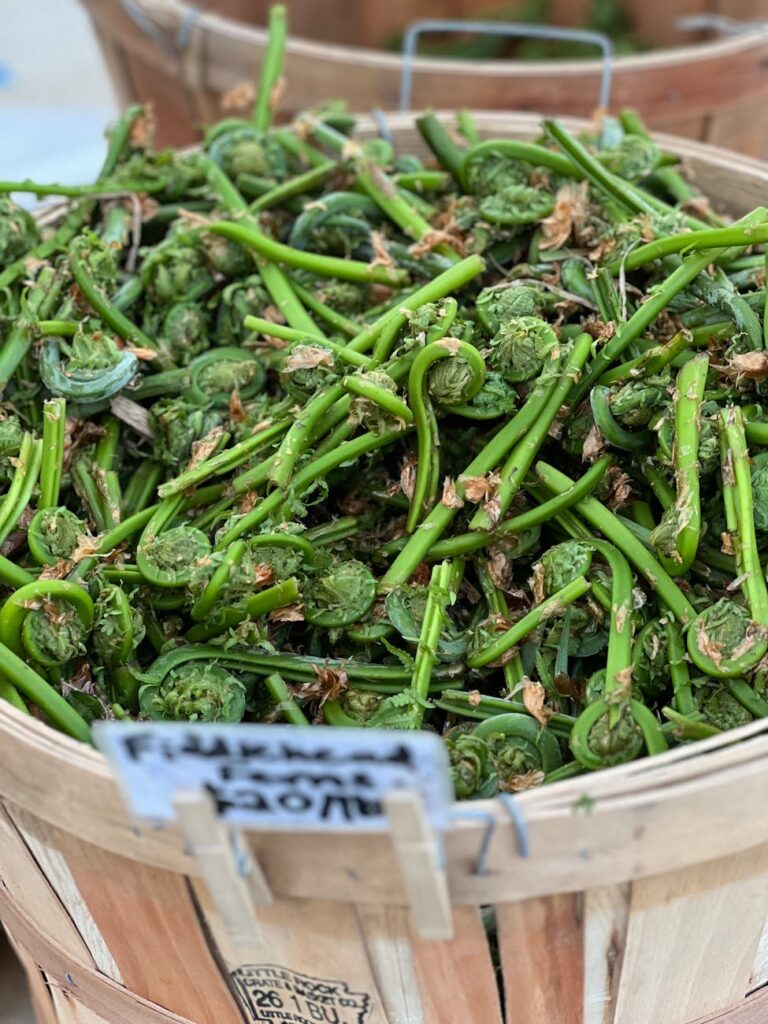
Complete Overview of Fiddlehead Ferns
Introduction
Fiddlehead ferns are a unique and highly sought-after seasonal delicacy that captures the imagination of chefs and food enthusiasts alike. These curled young fronds of ferns, particularly from the genus Matteuccia, such as the ostrich fern, are celebrated for their delicate flavor and tender texture. As interest in foraged ingredients grows and culinary practices embrace seasonal produce, understanding fiddlehead ferns—ranging from their history to their culinary applications—becomes essential for anyone looking to elevate their gastronomic repertoire.
What Is Guides?
In the context of food ingredients, “Guides” refer to comprehensive resources that provide detailed information about specific ingredients, covering everything from their origins and production to their culinary uses and storage methods. These guides serve as valuable references for chefs, home cooks, and food enthusiasts, ensuring they are well-informed about the nuances of each ingredient. Understanding fiddlehead ferns through a well-structured guide helps in appreciating their role in various cuisines and their unique characteristics.
History and Origins
Fiddlehead ferns have a rich history that spans centuries and continents. Indigenous peoples in North America have long harvested these ferns as a springtime food source, often consuming them as part of traditional diets. The name “fiddlehead” derives from the resemblance of the coiled fronds to the scroll of a fiddle or violin.
Various species of ferns have been consumed globally, with evidence of their use in ancient Asian cuisines. The Japanese, for instance, have incorporated fiddlehead ferns, known as “zenmai,” into their culinary traditions for centuries. In Europe, the use of fiddleheads dates back to Roman times, where they were considered a delicacy during spring.
The growing interest in foraged foods and wild ingredients has led to a resurgence of fiddlehead ferns in modern culinary practices, particularly in North America and Europe.
Production and Processing
Fiddlehead ferns are typically harvested in the early spring, shortly after the snow melts, when they are still tightly coiled and bright green. The main species harvested includes the ostrich fern (Matteuccia struthiopteris), although others like the lady fern (Athyrium filix-femina) are also collected.
Harvesting involves careful picking of the young fronds, ensuring that the plant is not over-harvested to allow for regrowth. Sustainable harvesting practices are crucial, as excessive picking can deplete local populations and disrupt the ecosystem.
Once harvested, fiddlehead ferns are generally cleaned to remove any dirt and debris. They can be blanched briefly to preserve their vibrant color and tender texture before being sold fresh or frozen for future use. Proper processing is vital to maintain their quality and flavor.
Quality and Grading
Quality in fiddlehead ferns is determined by several factors, including size, color, and firmness. High-quality fiddleheads should be a vivid green, tightly coiled, and free from blemishes or discoloration. Freshness is critical; they should feel firm to the touch and not have any signs of wilting.
Grading typically categorizes fiddlehead ferns into three classes:
1. Grade A: Vibrant, tightly coiled, and free of blemishes.
2. Grade B: Slightly larger, with minor imperfections, still suitable for culinary use.
3. Grade C: Overly mature or damaged fronds, often used for processing rather than fresh consumption.
Understanding these grading systems can help both buyers and sellers ensure that only the best quality fiddleheads reach the market.
Buying Considerations
When purchasing fiddlehead ferns, there are several factors to consider for optimal quality:
1. Seasonality: Fiddleheads are a spring delicacy, typically available from late March to early June, depending on the region. Buying them in season ensures freshness and flavor.
2. Source: Opt for fiddleheads sourced from responsible foragers or growers. Sustainable practices are vital for maintaining the ecological balance of the regions where these ferns thrive.
3. Appearance: Look for tightly coiled fronds with a vibrant green color. Avoid any that appear wilted, slimy, or excessively large, as these may be over-mature or past their prime.
4. Storage: Fiddleheads should be refrigerated and used as soon as possible. If buying in bulk, consider freezing them for later use.
5. Preparation: Ensure that you know how to prepare fiddleheads properly, as they must be cooked before consumption to neutralize any potential toxins.
Uses and Applications
Fiddlehead ferns are versatile ingredients that can be employed in various culinary applications. Their unique flavor—often described as a cross between asparagus and green beans—makes them suitable for both savory and sweet dishes. Common applications include:
- Sautéing: Quickly sautéed with garlic and olive oil, they make a delightful side dish.
- Salads: Blanched and cooled, fiddleheads can be added to salads for an interesting texture and flavor.
- Soups and Stews: They can be incorporated into soups and stews, providing a seasonal touch to hearty dishes.
- Pickling: Fiddleheads can also be pickled, offering a tangy addition to charcuterie boards and sandwiches.
Their unique appearance and flavor make them a favorite among chefs looking to showcase seasonal ingredients and elevate their dishes.
Storage and Shelf Life
Fresh fiddlehead ferns have a relatively short shelf life and should be consumed within a week of harvest for optimal flavor and texture. When storing, keep them in a paper bag in the refrigerator to minimize moisture and prevent spoilage.
If you wish to preserve fiddleheads for longer periods, blanching them briefly in boiling water before freezing is advisable. This method helps retain their color, flavor,