
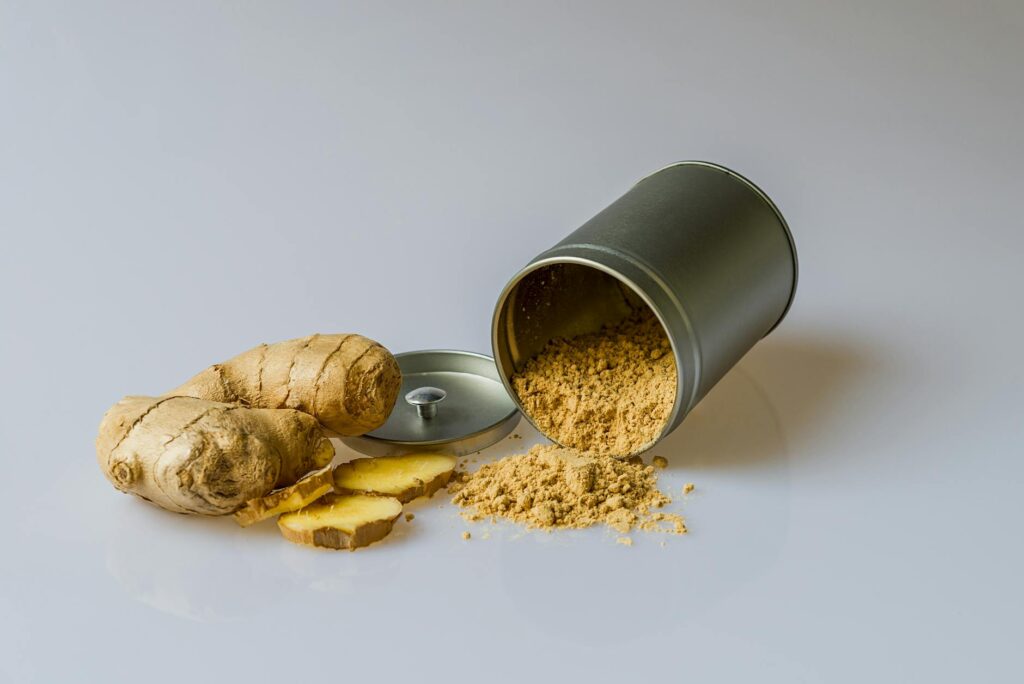
Complete Overview of Ginger
Introduction
Ginger, scientifically known as Zingiber officinale, is a flowering plant belonging to the family Zingiberaceae. Its rhizome, or underground stem, is widely recognized for its culinary and medicinal qualities. This versatile ingredient has been a staple in kitchens and apothecaries around the world for centuries. From its distinct flavor profile to its myriad applications, ginger is a fundamental component in global cuisine and holistic practices.
What Is Ginger?
Ginger is a perennial plant characterized by its green, leafy stems and yellow flowers. However, it is primarily the rhizome that garners attention. Fresh ginger is often described as having a pungent, spicy flavor with a hint of sweetness, while dried ginger has a more concentrated and often sharper taste. The culinary versatility of ginger allows it to be used in various forms, including fresh, powdered, pickled, and candied.
History and Origins
Ginger’s history dates back thousands of years. It is believed to have originated in Southeast Asia, particularly in regions stretching from India to China. Ancient records indicate that ginger was used not only as a spice but also for its potential health benefits. The spice traveled along trade routes, reaching Europe by the time of the Roman Empire, where it gained popularity for its taste and preservative properties.
In medieval Europe, ginger was considered a luxury item, highly valued and often used in festive dishes and medicinal concoctions. Its cultivation spread to various parts of the world, including the Caribbean and Africa, where it was integrated into local cuisines and cultures.
Production and Processing
Ginger is cultivated in tropical and subtropical climates, thriving in well-drained, loamy soil with ample sunlight and moisture. The major producers of ginger include India, China, Indonesia, and Nigeria, with India being the largest exporter.
The harvesting process typically occurs eight to ten months after planting when the rhizomes reach maturity. Farmers carefully dig up the rhizomes, which are then washed, sorted, and sometimes peeled. Depending on the intended use, ginger can be sold fresh, dried, or processed into various forms, such as ginger oil or ginger powder.
Quality and Grading
The quality of ginger is assessed based on several factors, including appearance, aroma, and flavor. Fresh ginger should have a smooth, firm skin, with no signs of mold or excessive wrinkling. The aroma should be distinctly spicy and fragrant, indicative of its essential oil content.
Grading systems can vary by region, but generally, ginger is categorized as Grade A (highest quality), Grade B, and Grade C. Grade A ginger is typically larger, fresher, and more aromatic, making it ideal for culinary applications. In contrast, lower grades may be used for processing or as a lower-cost alternative.
Buying Considerations
When purchasing ginger, consider the following factors:
1. Freshness: Look for firm, smooth rhizomes without blemishes, mold, or excessive wrinkling.
2. Aroma: A strong, spicy aroma is a good indicator of freshness and quality.
3. Type: Choose between fresh, dried, or powdered ginger based on your intended use. Fresh ginger offers a more vibrant flavor, while dried ginger provides a concentrated spice.
4. Source: Opt for organic ginger when possible to avoid pesticides and chemicals.
Additionally, if buying pre-packaged ginger products, scrutinize the ingredient list to ensure there are no unwanted additives or preservatives.
Uses and Applications
Ginger finds its way into a myriad of culinary applications, enhancing flavors in both savory and sweet dishes. Some common uses include:
- Culinary: Fresh ginger is a staple in Asian cuisine, often used in stir-fries, soups, and marinades. It also appears in spice blends like garam masala and five-spice powder. Dried ginger is often utilized in baked goods, such as gingerbread and cookies.
- Beverages: Ginger is frequently used to flavor teas, cocktails, and soft drinks. Ginger ale, for instance, is a popular carbonated beverage that highlights ginger’s distinct taste.
- Preservation: Pickled ginger, often served with sushi, acts as a palate cleanser and complements the umami flavors of fish.
- Cultural Significance: In many cultures, ginger is used in traditional celebrations and rituals, symbolizing good fortune and health.
Storage and Shelf Life
Proper storage can significantly enhance the shelf life of ginger. Fresh ginger should be kept in a cool, dry place or refrigerated in a paper bag to maintain its moisture and prevent spoilage. When stored correctly, fresh ginger can last for up to three weeks.
Dried ginger, on the other hand, should be stored in an airtight container in a cool, dark place. Under optimal conditions, dried ginger can maintain its potency for several months to a year.
It is essential to check for signs of spoilage, such as mold or an off smell, before using ginger, especially if it has been stored for an extended period.
Common Misconceptions
Several misconceptions surround ginger, which can lead to confusion regarding its use and properties:
1. All Ginger Is the Same: While all ginger comes from the same plant, the flavor and potency can vary significantly between fresh, dried, pickled, and candied forms, as well as among different varieties.
2. Ginger Is Just for Asian Cuisine: Although ginger is a staple in Asian cooking, it is widely used in many cuisines worldwide, including Indian, Middle Eastern, and Western dishes.
3. Ginger Can Replace All Spices: Ginger has a unique flavor profile that cannot universally substitute for other spices. Its sweetness and heat may complement certain dishes but not others.
4. Dried Ginger Is Inferior to Fresh: While fresh ginger has