
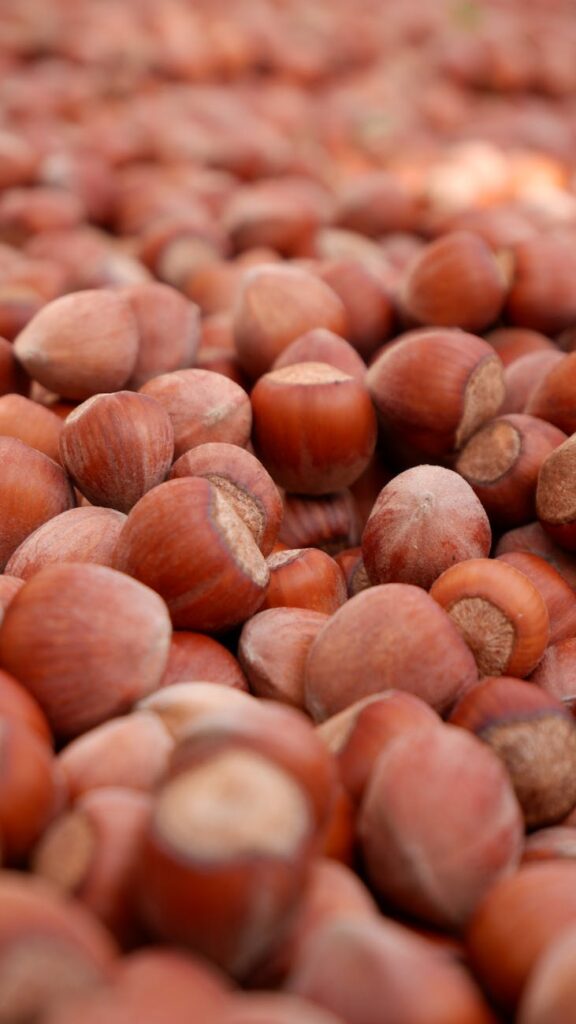
Complete Overview of Hazelnuts
Introduction
Hazelnuts, also known as filberts or cobnuts, are a cherished ingredient in culinary traditions worldwide. Their rich, nutty flavor and creamy texture make them versatile for both sweet and savory applications. Beyond their culinary importance, hazelnuts are celebrated for their nutritional benefits, being a source of healthy fats, vitamins, and minerals. This comprehensive guide delves into the multifaceted world of hazelnuts, from their historical roots to contemporary culinary uses, ensuring a well-rounded understanding of this beloved nut.
What Is Guides?
In the context of food ingredients, guides serve as detailed resources that provide insights into various aspects of a specific ingredient. These guides typically cover the ingredient’s history, production methods, quality standards, culinary applications, and more. The purpose is to educate consumers, chefs, and food enthusiasts about the ingredient, enhancing their appreciation and knowledge, ultimately leading to better culinary practices and informed purchasing decisions.
History and Origins
Hazelnuts have a storied history that dates back thousands of years. Archaeological evidence suggests that they were consumed by humans as early as 9,000 BCE, particularly in regions around the Mediterranean and parts of Asia. Ancient Greeks and Romans revered hazelnuts, using them not only as a food source but also in various cultural rituals.
The name “hazelnut” is believed to be derived from the Old English word “hæsel,” referring to the hazel tree. The tree, belonging to the genus Corylus, is native to Europe and Asia, with several species yielding edible nuts. Notably, the Turkish hazelnut (Corylus avellana) is the most widely cultivated variety today, dominating global production.
Throughout the centuries, hazelnuts have been associated with various myths and folklore. In some cultures, they were considered symbols of wisdom and fertility, often linked to the divine. The nut’s significance has evolved, but its culinary and cultural importance remains steadfast.
Production and Processing
Cultivation
Hazelnuts thrive in temperate climates, requiring well-drained soil and adequate rainfall for optimal growth. Major producers include Turkey, Italy, the United States, and Spain, with Turkey accounting for approximately 70% of the global supply. The hazelnut tree typically reaches maturity in 4 to 5 years and can produce nuts for several decades.
Harvesting
Harvesting is a critical phase in hazelnut production. Nuts are typically gathered in late summer to early autumn when they have ripened. Mechanical harvesters are commonly employed in large orchards, shaking the trees to dislodge the nuts. Afterward, the nuts are collected from the ground and must be processed quickly to prevent spoilage.
Processing
Post-harvest, hazelnuts undergo several processing stages. The outer husk is removed, and the nuts are dried to reduce moisture content, which helps preserve flavor and prevent mold growth. Once dried, they can be roasted, blanched, or left raw, depending on their intended use. Roasting enhances the nut’s flavor profile, making it a popular choice for culinary applications.
Quality and Grading
The quality of hazelnuts is determined by various factors, including size, appearance, and flavor. Grading standards may vary by region, but generally, hazelnuts are classified as follows:
- Extra: The highest quality, characterized by uniform size and color, minimal defects, and excellent flavor.
- First Grade: Slightly lower quality than extra, with minor imperfections but still suitable for most culinary uses.
- Second Grade: Nuts with more defects or irregular sizes, often used for processing rather than direct consumption.
- Confectionery: Hazelnuts are a key ingredient in many chocolates and confections, including the beloved Nutella spread.
- Baking: Ground hazelnuts can be used in cakes, cookies, and pastries, adding flavor and texture.
- Savory Dishes: Chopped or whole hazelnuts can enhance salads, grain bowls, and meat dishes, providing a delightful crunch.
- Oils: Hazelnut oil, extracted from roasted nuts, is prized for its rich flavor and is often used in dressings and marinades.
Consumers should look for nuts that are firm, plump, and free from any signs of mold or rancidity. Freshness is key; hence, purchasing from reputable suppliers is advisable.
Buying Considerations
When purchasing hazelnuts, several factors should be taken into account:
Form
Hazelnuts are available in various forms, including whole, chopped, blanched, and ground. Whole nuts maintain their flavor and freshness longer, while chopped or ground forms are often more convenient for immediate use.
Origin
The origin of hazelnuts can significantly influence their flavor profile. For example, Turkish hazelnuts are known for their rich, sweet taste, while Italian varieties may exhibit a more robust flavor. Understanding the source can enhance your culinary choices.
Packaging
Opt for hazelnuts packaged in airtight containers to preserve freshness. Vacuum-sealed bags are ideal for extended storage, while bulk bins may offer convenience for immediate use but may compromise quality over time.
Certification
Look for certifications such as organic or non-GMO, which may align with personal preferences and dietary needs. These certifications can also indicate a commitment to sustainable farming practices.
Uses and Applications
Hazelnuts are incredibly versatile, featuring prominently in both sweet and savory dishes. Some common applications include:
Culinary Uses
Non-Culinary Uses
Beyond the kitchen, hazelnuts are utilized in cosmetics, particularly in oils and creams due to their moisturizing properties. They may also be used in the production of nut-based milk alternatives.
Storage and Shelf Life
To maintain the quality of hazelnuts, proper storage is essential. Raw hazeln