
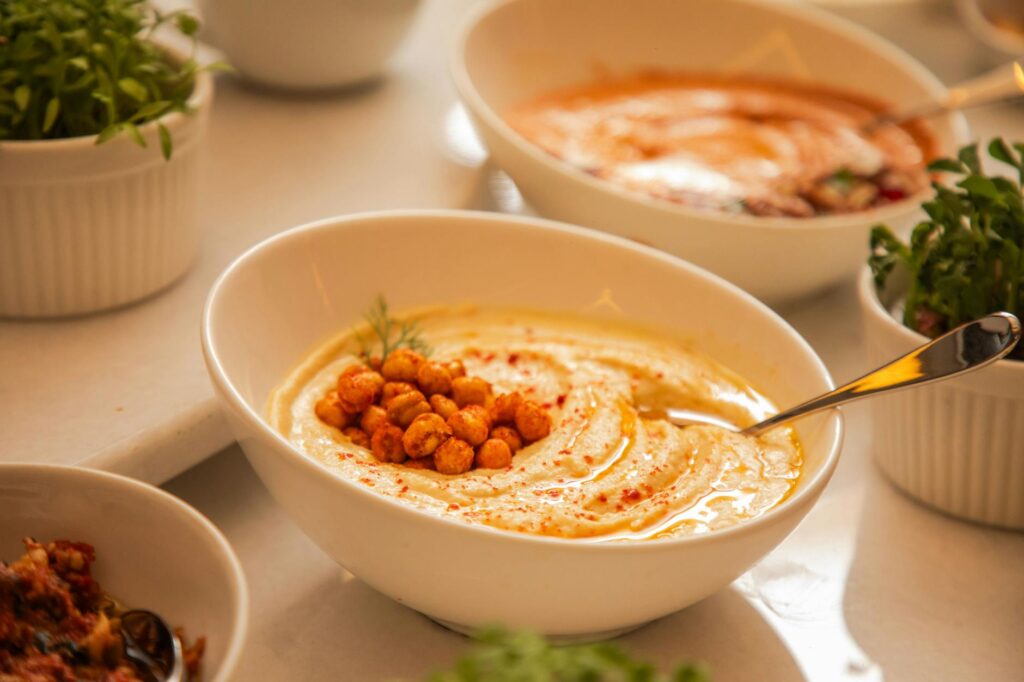
Complete Overview of Hummus
Introduction
Hummus has transcended its roots as a traditional Middle Eastern dish to become a global culinary staple. This creamy spread, primarily made from chickpeas, has garnered immense popularity due to its versatility, flavor, and nutritional profile. This article provides a comprehensive overview of hummus, exploring its history, production, quality considerations, and various applications in modern cuisine.
What Is Hummus?
Hummus is a dip or spread made from cooked, mashed chickpeas or other beans, blended with tahini (a paste made from sesame seeds), olive oil, lemon juice, and garlic. The result is a smooth and creamy texture that pairs beautifully with a variety of accompaniments. While traditional hummus is primarily chickpea-based, the ingredient can be adapted to include other legumes and flavorings, making it a versatile addition to many meals.
History and Origins
The origins of hummus are shrouded in culinary history, with claims to its creation spanning multiple countries in the Middle East, including Lebanon, Israel, and Palestine. The earliest known recipe for hummus is found in a 13th-century cookbook from the region, which suggests that the dish has been enjoyed for centuries. The word “hummus” itself derives from the Arabic word for chickpeas, “ḥummuṣ.”
Traditionally, hummus was a staple in Middle Eastern diets, often served during communal meals and celebrations. Its rise in popularity in Western cuisine can be traced back to the late 20th century, when increased interest in Mediterranean diets and plant-based foods led to its widespread acceptance as a healthful alternative to many processed dips and spreads.
Production and Processing
The production of hummus involves several key steps:
1. Ingredient Selection: The primary ingredient, chickpeas, can be used dried or canned. Other ingredients, such as tahini, olive oil, garlic, and lemon juice, are also selected for quality.
2. Preparation: If using dried chickpeas, they must be soaked and cooked until tender. Canned chickpeas can be used directly, making the process quicker.
3. Blending: The cooked chickpeas are combined with tahini, olive oil, garlic, and lemon juice in a food processor. The mixture is blended until smooth, with water added as necessary to achieve the desired consistency.
4. Flavoring: Additional spices and flavorings may be incorporated during blending, including cumin, paprika, or roasted red peppers, depending on the desired variation.
5. Packaging: Once blended, hummus is typically packaged in airtight containers to preserve freshness.
Quality control measures during production ensure that the final product meets standards for taste, texture, and safety.
Quality and Grading
The quality of hummus can vary significantly based on ingredient selection, preparation methods, and processing. Here are some key considerations:
- Ingredient Quality: Fresh, high-quality chickpeas and tahini produce the best hummus. The freshness of lemon juice and garlic also plays a crucial role in flavor.
- Texture: A high-quality hummus should be smooth and creamy, with no graininess. This is often achieved by peeling the chickpeas before blending or using a high-powered blender.
- Flavor: Authentic hummus has a balanced flavor profile, where the nuttiness of tahini, the acidity of lemon, and the earthiness of chickpeas harmonize well.
- Additives: Many commercial hummus brands may include preservatives or artificial flavors. It’s advisable to choose products with minimal ingredients for the best quality.
- Type: Hummus comes in various flavors, from classic to roasted garlic, red pepper, and more. Consider the intended use and personal preferences when choosing.
- Packaging: Fresh hummus is often available in refrigerated sections, while shelf-stable varieties may contain preservatives. Check the expiration date and ingredient list.
- Dietary Needs: For those with specific dietary restrictions, such as gluten intolerance or nut allergies, it is essential to read labels carefully to ensure the product meets their needs.
- Brand Reputation: Opt for brands known for quality and transparency in their ingredient sourcing. Artisan producers often focus on traditional methods and high-quality ingredients.
- Dips: Hummus serves as an excellent dip for raw vegetables, pita bread, or crackers, making it a popular choice for appetizers and snack platters.
- Spreads: It can be used as a spread on sandwiches and wraps, providing a creamy texture and a nutritious alternative to mayonnaise or butter.
- Sauces: Hummus can be thinned with water or lemon juice to create a sauce for drizzling over salads, grains, or roasted vegetables.
- Side Dishes: Often served alongside Mediterranean and Middle Eastern dishes, hummus complements grilled meats, falafel, and tabbouleh.
- Culinary Innovation: Chefs and home cooks alike experiment with hummus, incorporating unique flavor profiles like beet, avocado, or herb-infused variations to suit contemporary tastes.
- Refrigeration: Once opened, hummus should be stored in an airtight container in the refrigerator. It is best consumed within 5 to 7 days for optimal freshness.
- Freezing: Hummus can be frozen for longer storage. It is recommended to transfer it to a freezer-safe container, leaving some space for expansion. When ready to use, thaw it in the refrigerator overnight and stir well before serving.
Buying Considerations
When purchasing hummus, several factors should be taken into account:
Uses and Applications
Hummus is an incredibly versatile ingredient that can be used in various culinary applications. Its primary uses include:
Storage and Shelf Life
Proper storage is crucial for maintaining the freshness and flavor of hummus. Here are some guidelines: