
Complete Overview of Jicama
Introduction
Jicama, often referred to as the Mexican turnip or Mexican yam bean, is a root vegetable that has garnered significant attention in culinary circles and health food markets alike. Known for its crisp texture and slightly sweet, nutty flavor, jicama is a versatile ingredient that can be utilized in a variety of dishes or eaten raw as a refreshing snack. This article delves into the multifaceted world of jicama, exploring its history, production, culinary applications, and much more.
What Is Jicama?
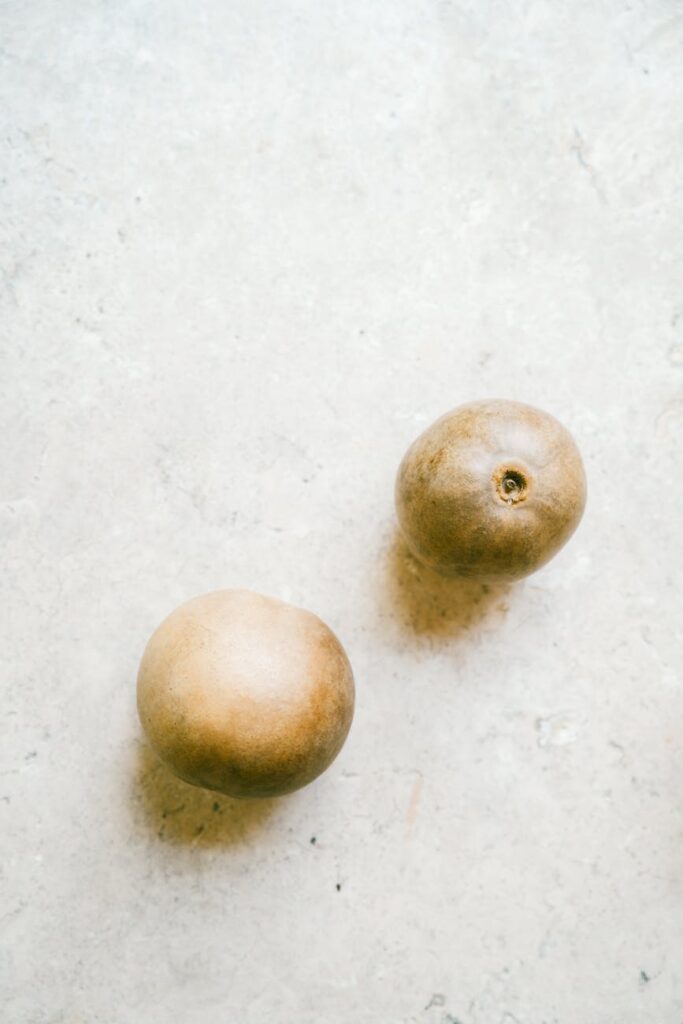
Jicama (Pachyrhizus erosus) is a tuberous root native to Central America and Mexico. It belongs to the legume family, Fabaceae, and is characterized by its round or oval shape, brown, papery skin, and white, crunchy flesh. The vegetable is known for its high water content, making it a hydrating option with a satisfyingly crunchy texture. Jicama is typically enjoyed raw, but it can also be cooked, although cooking diminishes its crispness.
History and Origins
The history of jicama dates back to pre-Columbian times in Mexico, where it was cultivated by ancient civilizations such as the Aztecs and the Mayans. The word “jicama” is derived from the Nahuatl term “xicama.” After the Spanish Conquest, jicama was introduced to other parts of the world, including the Philippines and Southeast Asia, where it is also cultivated today. In the 19th century, it made its way to the United States, where it has since become increasingly popular among health-conscious consumers and culinary professionals.
Production and Processing
Cultivation
Jicama thrives in warm, tropical climates, requiring well-drained soil with good organic content. The plant is typically grown from seeds, taking about 4 to 6 months to mature. Farmers plant jicama seeds in the spring, and the plants require ample sunlight and water throughout the growing season. Jicama is harvested in the fall when the roots are firm and fully developed.
Harvesting
The harvesting process involves carefully digging up the tubers to avoid damage. Once harvested, the roots are cleaned to remove dirt and debris. Jicama is generally sold fresh, but it can also be processed into various forms, including pickled or dried jicama chips.
Quality and Grading
The quality of jicama is determined by several factors, including size, firmness, and skin condition. High-quality jicama should feel heavy for its size, with smooth skin free from blemishes, soft spots, or signs of decay. When grading jicama, size can range from small to large, but medium-sized tubers are often preferred for their balance between flavor and texture.
Buying Considerations
When purchasing jicama, there are several factors to consider for optimal quality:
- Appearance: Look for jicama that is firm and heavy with a smooth, unblemished outer skin. Avoid any tubers that show signs of sprouting or have soft spots.
- Seasonality: Jicama is typically available year-round in many grocery stores, but it peaks in late fall and winter months.
- Organic vs. Conventional: Opt for organic jicama when possible, as it is less likely to have been treated with pesticides.
- Storage Conditions: Ensure that jicama is stored in a cool, dry place to maintain its freshness.
- Raw Dishes: Jicama is commonly enjoyed raw, sliced into sticks or cubes, making it an excellent addition to salads, crudité platters, and snack mixes.
- Cooked Dishes: While it is often eaten raw, jicama can also be sautéed, stir-fried, or roasted. However, cooking may soften its signature crunch.
- Garnishes: Jicama can be julienned or cut into decorative shapes to serve as a garnish for cocktails or main dishes, adding visual appeal and a refreshing crunch.
- Salsas and Dips: Diced jicama can be incorporated into salsas or served with dips, providing a unique texture and flavor profile.
- Juicing: Jicama can be juiced to create refreshing beverages, often combined with other fruits or vegetables.
- Jicama Is a Potato Substitute: While jicama shares some similarities with potatoes, particularly in texture, it is not a direct substitute. Jicama has a lower starch content and is much crisper.
- Jicama Leaves Are Edible: The leaves and seeds of the jicama plant contain toxins and should be avoided. Only the root is safe for consumption.
- Jicama Is Always Cooked: Although jicama can be cooked, it is most celebrated for its raw, crunchy texture. Many culinary experts advocate for enjoying it fresh.
Uses and Applications
Jicama is a highly versatile ingredient that can be used in various culinary applications:
Storage and Shelf Life
Proper storage is crucial for maintaining the freshness of jicama. The vegetable should be kept in a cool, dark, and dry place, ideally in a pantry or cellar. When stored correctly, jicama can last for up to two weeks. Once cut, jicama should be wrapped tightly in plastic wrap or kept in an airtight container in the refrigerator, where it can last for about one week.
Common Misconceptions
Despite its growing popularity, several misconceptions about jicama persist:
Frequently Asked Questions
1. Is jicama low in calories?
Yes, jicama is low in calories and high in water content, making it a popular choice for those looking to maintain or lose weight.