
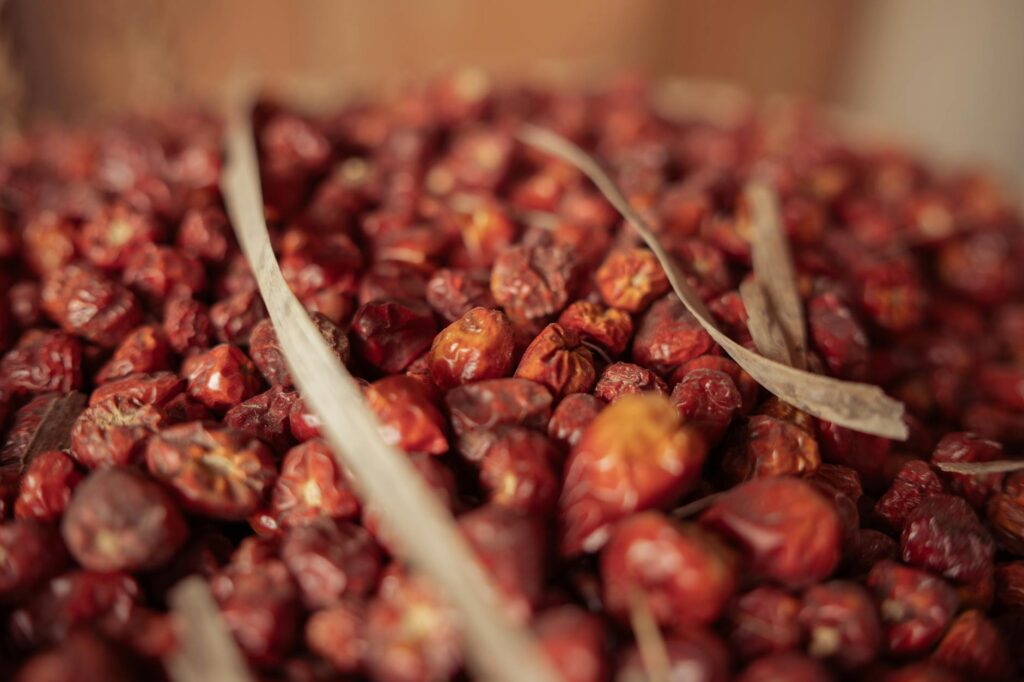
Complete Overview of Jujube
Introduction
Jujube, often referred to as Chinese date or red date, is a small fruit that has garnered attention for its unique flavor and nutritional benefits. Originating from the Ziziphus jujuba tree, this fruit has been a staple in various cultures for centuries, particularly in Asia. With its sweet taste and chewy texture, jujube not only serves as a delightful snack but also holds significant culinary and medicinal importance. This article delves into the comprehensive aspects of jujube, providing insights into its history, production, uses, and much more.
What Is Jujube?
Jujube is a fruit derived from the Ziziphus jujuba, a tree belonging to the Rhamnaceae family. The fruit can be eaten fresh, dried, or processed into various products. Fresh jujubes are typically green or yellow, and as they ripen, they turn a deep reddish-brown. The flavor profile ranges from mildly sweet to intensely sugary, depending on the variety and ripeness. Dried jujubes are particularly popular in many Asian cuisines, often used in desserts, teas, and traditional medicine.
History and Origins
The history of jujube dates back over 4,000 years, with its origins traced to regions in the Middle East and parts of China. Historical records indicate that the fruit was cultivated by ancient civilizations for its nutritional value and medicinal properties. It has been mentioned in various texts, including traditional Chinese medicine, where it is noted for its calming effects and ability to nourish the blood. Over time, jujube trees spread across Asia, the Mediterranean, and eventually to the Americas, where they are now cultivated in several regions.
Production and Processing
Cultivation
Jujube trees thrive in temperate and subtropical climates, requiring well-drained soil and plenty of sunlight. They are drought-resistant and relatively low-maintenance compared to other fruit trees. The cultivation process typically involves planting young saplings in the spring or fall, ensuring adequate irrigation during their formative years. The trees can begin to bear fruit within three to five years, with optimal harvest times in late summer to early fall.
Harvesting
Jujubes are harvested when they reach their desired ripeness, usually when they have turned a deep red or brown color. The harvesting process can be labor-intensive, as the fruit is often handpicked to avoid damage. Once harvested, jujubes can be consumed fresh or subjected to various processing methods, including drying, which enhances their sweetness and extends shelf life.
Processing Techniques
Dried jujubes are prepared by removing the pits and dehydrating the flesh. This can be achieved through sun-drying or using food dehydrators and ovens. The dried fruit is commonly used in teas, soups, and as a natural sweetener in various dishes. Processing may also involve creating jujube paste, syrup, or extract, which are utilized in traditional remedies and culinary applications.
Quality and Grading
Quality Indicators
The quality of jujube is determined by several factors, including size, color, texture, and flavor. High-quality jujubes should be plump, firm, and have a uniform color without blemishes or signs of decay. For dried jujubes, the texture should be chewy, and they should possess a sweet aroma.
Grading Systems
While there is no universally accepted grading system for jujube, some producers may categorize their products based on size and moisture content. Premium grades are typically reserved for larger, fresher fruits, while lower grades might be used for dried varieties with higher moisture levels or imperfections.
Buying Considerations
When purchasing jujubes, several factors should be taken into account to ensure quality and freshness:
1. Type of Jujube: Decide whether you are looking for fresh or dried jujubes. Fresh jujubes are best consumed shortly after purchase, while dried varieties can be stored for longer periods.
2. Source: Opt for reputable suppliers or farmers’ markets to ensure that the jujubes are organically grown and free from pesticides.
3. Appearance: For fresh jujubes, select fruits that are free from blemishes and feel firm to the touch. For dried jujubes, check for even color and a chewy texture.
4. Packaging: If buying dried jujubes, inspect the packaging for any signs of moisture, which can lead to spoilage.
5. Seasonality: Fresh jujubes are typically available in late summer to early fall. Plan your purchases accordingly to enjoy them at their peak ripeness.
Uses and Applications
Jujube has a wide array of culinary and non-culinary applications:
Culinary Uses
- Fresh Consumption: Fresh jujubes can be enjoyed as a snack or added to fruit salads for a unique flavor.
- Dried Jujubes: Often used in traditional Asian dishes, dried jujubes are commonly incorporated into soups, teas, and desserts.
- Jujube Paste: This sweet, thick paste is utilized in various confections and can serve as a natural sweetener.
- Beverages: Jujube is frequently brewed into tea, either alone or combined with other ingredients, to create soothing drinks.
- Traditional Medicine: In many cultures, jujube has been used in traditional remedies for its purported calming effects and ability to support digestive health.
- Cosmetic Applications: Extracts from jujube are sometimes used in skincare products for their hydrating and antioxidant properties.
Non-Culinary Uses
Storage and Shelf Life
Fresh Jujubes
Fresh jujubes should be stored in the refrigerator to maintain their crispness and prevent spoilage. They typically have a short shelf life, lasting about one to two weeks when refrigerated.