
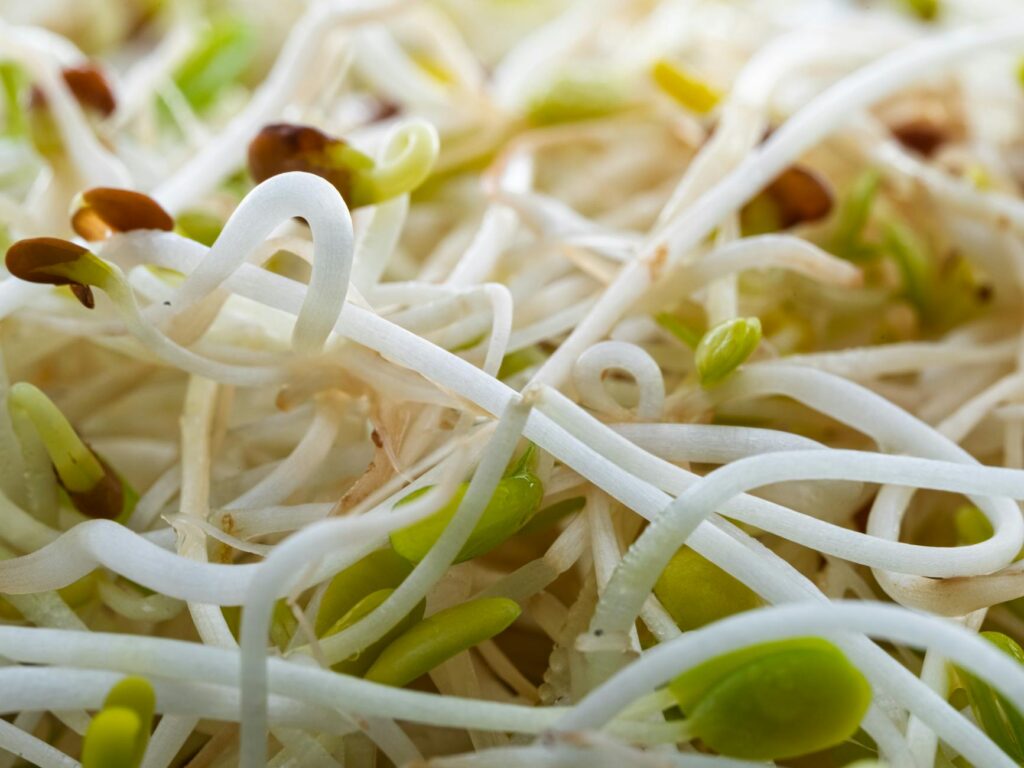
Complete Overview of Kale Sprouts
Introduction
Kale sprouts, a vibrant and nutrient-dense ingredient, have gained popularity in the culinary world due to their unique flavor and impressive health benefits. As a hybrid of kale and Brussels sprouts, these miniature greens offer a delightful balance of taste and nutrition, making them a sought-after addition to various dishes. This comprehensive overview will explore the intricate details surrounding kale sprouts, from their origins to their culinary applications.
What Are Kale Sprouts?
Kale sprouts are young shoots derived from the Brassica oleracea species, which also includes broccoli, Brussels sprouts, and cabbage. They are a crossbreed between kale and Brussels sprouts, showcasing characteristics of both parent plants. Typically harvested when they are just a few inches tall, kale sprouts possess a tender texture and a mildly sweet, nutty flavor. Their dark green leaves are packed with vitamins, minerals, and antioxidants, making them a nutritious choice for health-conscious consumers.
History and Origins
The history of kale sprouts can be traced back to the cultivation of kale and Brussels sprouts, which have been grown for centuries. Both vegetables have roots in the Mediterranean region, with kale being consumed since ancient times. The hybridization that resulted in kale sprouts is a relatively recent development, aimed at creating a vegetable that combines the best attributes of both parent plants.
Kale itself has been celebrated for its nutritional value and versatility, while Brussels sprouts have been cherished for their unique flavor and adaptability in various cuisines. The introduction of kale sprouts into the culinary landscape reflects a growing trend towards diverse and innovative vegetable varieties that offer both health benefits and culinary excitement.
Production and Processing
The cultivation of kale sprouts typically involves careful farming practices to ensure optimal growth. They thrive in well-drained soil enriched with organic matter, and their growth is best supported by a temperate climate. Farmers often start seeds indoors before transplanting them to the field, allowing for better control over the growing conditions.
Once harvested, kale sprouts undergo a minimal processing stage. They are usually washed and sorted to remove any debris or damaged leaves. It is essential to maintain their freshness and nutritional integrity during this stage to ensure a high-quality product reaches consumers.
Quality and Grading
Quality is a crucial aspect of kale sprouts, as it directly influences their flavor, texture, and overall appeal. When assessing kale sprouts, several factors come into play:
- Appearance: Fresh kale sprouts should exhibit a vibrant green color with firm, crisp leaves. Any signs of wilting or discoloration may indicate poor quality.
- Size: Ideal kale sprouts are typically 2 to 4 inches in height. Sprouts that are too large may have a tougher texture and a less desirable taste.
- Freshness: The best kale sprouts are harvested shortly before they are sold. Consumers should seek out sprouts that have been recently harvested to ensure maximum flavor and nutritional value.
- Taste: High-quality kale sprouts will have a delicate, sweet flavor that stands out in dishes. Off-flavors can indicate age or poor handling.
- Source: Buying from local farmers’ markets or reputable grocery stores can often provide fresher options. Checking for organic certification can also be beneficial.
- Seasonality: Kale sprouts are typically in season during the cooler months of fall and winter. Purchasing them during this time increases the likelihood of acquiring fresher, tastier sprouts.
- Packaging: Opt for kale sprouts sold in breathable packaging that allows for air circulation. This helps maintain freshness and prevents spoilage.
- Organic vs. Conventional: Organic kale sprouts may offer a higher nutritional profile and fewer pesticide residues. However, conventional sprouts can still provide significant nutritional benefits.
- Storage History: Inquire about how the sprouts have been stored prior to purchase. Proper refrigeration and handling can significantly impact freshness and taste.
- Salads: Fresh kale sprouts add a crunchy texture and nutritious element to salads, enhancing both flavor and visual appeal.
- Stir-fries: Their tender leaves make them an excellent addition to stir-fries, where they can cook quickly while retaining their nutritional benefits.
- Smoothies: Kale sprouts can be blended into smoothies, providing an extra boost of vitamins and antioxidants without overpowering the flavor.
- Sandwiches and Wraps: Their crisp texture makes them a delightful addition to sandwiches and wraps, adding both crunch and nutrition.
- Garnishes: Kale sprouts can serve as an eye-catching garnish for various dishes, enhancing presentation while offering health benefits.
- Refrigeration: Store kale sprouts in the refrigerator immediately after purchase. They should be kept in a breathable container or a damp paper towel to maintain humidity without causing excess moisture.
- Shelf Life: When stored correctly, kale sprouts can last up to a week in the refrigerator. However, they are best consumed within a few days for maximum freshness and flavor.
- Freezing: While kale sprouts can be frozen for longer storage, this may impact their texture. If freezing is necessary, blanch the sprouts briefly before placing them in airtight containers.
Proper grading standards help in maintaining consistency in quality across markets. Farmers and distributors often rely on visual assessments and taste tests to determine the quality of their kale sprouts before they reach consumers.
Buying Considerations
When purchasing kale sprouts, consumers should consider several key factors to ensure they are selecting the best product available:
Uses and Applications
Kale sprouts are versatile and can be utilized in a variety of culinary applications. Their unique flavor profile allows them to complement a range of dishes. Some common uses include:
The culinary possibilities are vast, making kale sprouts a valuable ingredient for both home cooks and professional chefs alike.
Storage and Shelf Life
To maintain the freshness and nutritional value of kale sprouts, proper storage is essential. Here are some guidelines for optimal storage:
Regularly check for signs of spoilage, such as wilting or discoloration