
Complete Overview of Kefir Grains
Introduction
Kefir grains have garnered increasing attention in the culinary and health communities for their rich probiotic content and versatility in food and beverage applications. These unique, gelatinous structures serve as a starter culture for fermenting milk or water, producing kefir, a tangy and effervescent beverage that has been enjoyed for centuries. This comprehensive guide delves into kefir grains, exploring their history, production, uses, and much more.
What Are Kefir Grains?
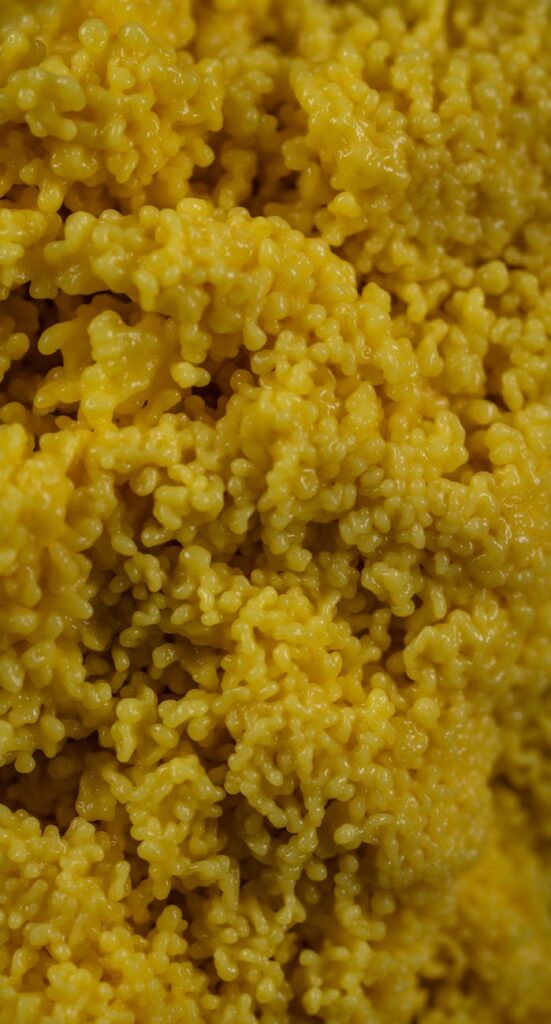
Kefir grains are not actually grains in the traditional sense, but rather a symbiotic colony of bacteria and yeast (SCOBY) that cluster together in a gelatinous matrix composed of proteins, lipids, and sugars. They appear as small, irregularly shaped, and gelatinous clumps, often compared to cauliflower florets. When added to milk or water, these grains ferment the liquid, imparting unique flavors and a variety of beneficial microorganisms.
History and Origins
Kefir has a storied history, tracing back to the North Caucasus region, particularly among the peoples of the Caucasus Mountains. It is believed that kefir was consumed by nomadic tribes who discovered the fermentation process by accident, likely through the use of animal skins or bags containing milk. The name “kefir” is derived from the Turkish word “keyif,” which means “pleasure,” reflecting the enjoyment derived from the beverage.
Historically, kefir grains were a closely guarded secret, passed down through generations. They were often gifted as a sign of friendship and trust. The grains were seen as a source of health and vitality, contributing to the longevity of those who consumed them. Over time, kefir spread beyond the Caucasus region, gaining popularity in Europe and eventually worldwide.
Production and Processing
The production of kefir grains involves a fascinating interplay of fermentation, during which the microorganisms within the grains metabolize sugars in the liquid. To cultivate kefir grains, one typically begins by adding a small amount of existing kefir to fresh milk or water. The grains act as a starter culture, initiating the fermentation process.
Fermentation Process
1. Inoculation: Fresh milk or sugar water is inoculated with kefir grains.
2. Fermentation: Depending on the temperature and environment, fermentation can take anywhere from 12 to 48 hours. During this time, the grains consume lactose (in milk) or sugar (in water) and produce lactic acid, carbon dioxide, and alcohol.
3. Separation: After fermentation, the grains are separated from the finished kefir using a strainer. The grains can then be reused for subsequent batches.
Environmental Considerations
Kefir grains thrive in specific conditions that promote microbial health. They prefer temperatures between 20°C and 30°C (68°F to 86°F) and should be kept away from direct sunlight and extreme temperature fluctuations. The quality of the base liquid (milk or water) also affects the final product, making it essential to use fresh, high-quality ingredients.
Quality and Grading
The quality of kefir grains can vary significantly based on several factors, including the source, handling, and storage conditions. When evaluating kefir grains, consider the following criteria:
- Appearance: High-quality grains should be plump, gelatinous, and cohesive, indicating a healthy microbial population.
- Fermentation Rate: Good grains will ferment liquid efficiently, producing a tangy flavor within a reasonable timeframe.
- Microbial Diversity: The composition of bacteria and yeast present in the grains is crucial for the health benefits attributed to kefir. A diverse microbial community is generally considered a sign of quality.
- Beverages: The fermented liquid can be consumed as a drink, added to smoothies, or used in salad dressings.
- Cultured Foods: Kefir can be used to ferment other foods, such as vegetables or grains, enhancing their nutritional profile.
- Baking: The tangy flavor of kefir can serve as a substitute for buttermilk or yogurt in baking, adding moisture and acidity to recipes.
- In Milk: If you plan to use the grains regularly, store them in a small amount of milk in the refrigerator. This method keeps the grains active while slowing down fermentation.
- Dehydration: For long-term storage, kefir grains can be dehydrated. This process involves drying them at low temperatures until they
Grading System
While there is no standardized grading system for kefir grains, consumers can assess quality based on supplier ratings and reviews. Reputable sources often provide insights into the microbial composition of their grains, offering consumers the information necessary to make informed choices.
Buying Considerations
When purchasing kefir grains, several factors should be taken into account to ensure quality and suitability for your needs:
1. Type of Kefir: Decide whether you want milk kefir grains or water kefir grains, as they are not interchangeable.
2. Source: Buy from reputable suppliers, preferably those that specialize in fermentation products. Look for organic and sustainably sourced options when possible.
3. Freshness: Ensure that the grains are fresh and actively growing. Some suppliers may offer dried grains, which can be rehydrated but may take longer to become active.
4. Price: While price can vary, extremely low-cost grains may indicate poor quality. Assess the value based on quality and supplier reputation.
Uses and Applications
Kefir grains are primarily used to produce kefir, a versatile beverage that can be enjoyed plain or flavored. Beyond this primary application, kefir grains have several additional uses:
Storage and Shelf Life
Proper storage of kefir grains is crucial for maintaining their viability and efficacy. When not in use, they can be stored in a few different ways: